
 EN
EN



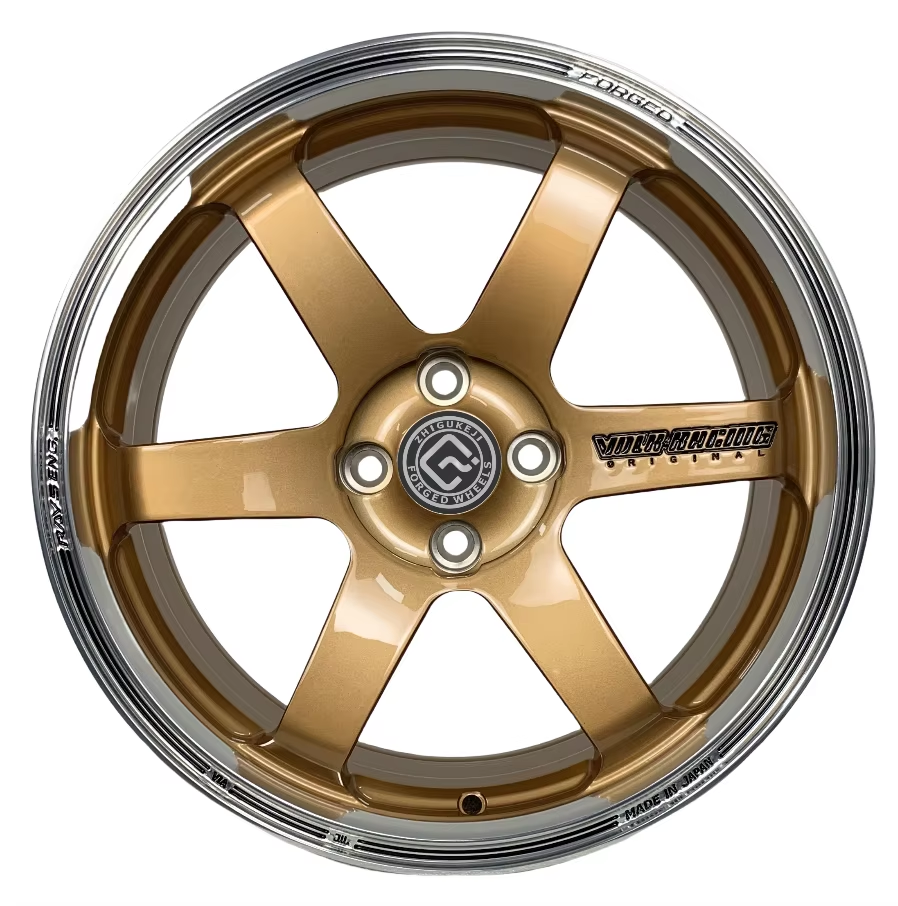
The Performance Impact of Racing Wheels on Track Dynamics
How wheel weight and rotational mass affect acceleration, braking, and handling
Racing wheels that weigh less make a big difference when it comes to track performance because they cut down on both unsprung weight and rotational mass. For every pound lost in wheel weight, cars can go from 0 to 60 mph about 0.1 seconds quicker since there's less resistance to overcome. The brakes work better too when stopping shorter distances because lighter wheels respond faster to the calipers doing their job. Suspension systems get a boost in handling capabilities as well, allowing them to react more quickly so tires stay planted on the road surface throughout corners. According to tests run by professionals in the field, cutting rotational mass by around 20% gives similar improvements in handling as if someone had added roughly 50 extra horsepower specifically for those tight turns at high speeds.
The role of wheel size and construction in performance gains
Wheel dimensions and manufacturing methods directly influence vehicle dynamics. Larger diameters can accommodate bigger brake systems but must be carefully balanced to avoid excessive weight. The chosen construction method plays a crucial role in achieving optimal strength and low mass:
| Manufacturing Method | Weight Reduction | Strength Increase | Ideal Use Case |
|---|---|---|---|
| Forged | 15-20% vs cast | 30% higher yield | Extreme loads |
| Flow-formed | 10-15% vs cast | 25% higher fatigue | Endurance racing |
Forged wheels are made by pressing solid aluminum billets under massive amounts of pressure, giving them an amazing strength to weight ratio that makes them perfect for serious track work. Then there's flow formed wheels which actually spin the metal while forging it, lining up those metal grains so they last longer when pushed hard on race tracks. These manufacturing techniques beat regular cast wheels hands down. Tests show around 18 percent less flex when taking corners at speed, which means cars handle better predictably and drivers can shave seconds off their lap times. Most racers will tell you this difference matters a lot when pushing limits week after week.
Essential Materials and Manufacturing Techniques in Racing Wheels
What makes racing wheels perform so well comes down to what they're made from and how they're built. Most pros stick with forged aluminum because it packs a punch when it comes to strength versus weight. We're talking about roughly 30 percent stronger than regular cast options while still cutting down on that pesky unsprung mass. Some teams go for magnesium alloys too since they save even more weight, though these need special coatings to fight off rust issues. The workhorse material remains high-strength 6061-T6 aluminum though. Racers love this stuff not just for how tough it is but also because it handles heat really well. That matters a lot during long races where brakes can get scorching hot after repeated stops.
Comparing manufacturing methods: cast vs. flow-formed vs. forged wheels
- Cast wheels: Cost-effective but more porous, making them prone to cracking under extreme stress
- Flow-formed wheels: A hybrid process where controlled pressure increases barrel density by 15% compared to standard casting
- Forged wheels: Formed under 10,000+ tons of pressure, creating grain-aligned structures with 40% greater impact resistance
Advanced processes: CNC machining, heat treatment, and structural integrity
Following the forging process, CNC machines strip away extra material down to the micron level, which helps fine tune both the spoke design and how weight is distributed across the wheel. When it comes to strengthening the metal, we apply T6 tempering during heat treatment. This process basically locks in those molecular bonds, giving us about a quarter more strength in the final product. We don't just rely on theory though. Every single wheel gets checked thoroughly before shipping out. X-rays scan for hidden cracks inside the structure, while our fatigue tests put wheels through what's equivalent to hundreds of hours racing at top speeds. The last step involves careful finishing work that typically lasts around eight to ten hours per wheel. This ensures everything lines up perfectly at the hub with tolerances tight enough to stay within half a millimeter, so these wheels will keep performing reliably season after season.
Achieving Precision Fitment: Offset, Bolt Pattern, and Hub-Centric Design
Understanding wheel offset and backspacing for optimal handling and clearance
The wheel offset is basically how far the hub mounting surface sits from the wheel's centerline, measured in millimeters. This little detail makes a big difference for suspension geometry and whether tires actually fit properly without rubbing. When we talk about positive offset like +15mm, what happens is the wheel gets tucked further inside the car body. This setup reduces something called scrub radius and generally gives better stability when driving straight down the road. On the flip side, negative offsets such as -15mm push wheels outwards toward the fenders. While this can improve cornering performance because the tires have more grip area, it also means getting backspacing right becomes super important to prevent those annoying rub marks against the fender liner. Backspacing refers to the space between the inner part of the rim and where it mounts onto the hub. Getting this measurement correct matters a lot for making sure suspension parts don't crash into the wheel barrel when taking tight corners at speed, especially around those banked turns at racetracks or highway exits.
Matching bolt pattern (PCD) and hub-centric design for safety and stability
Getting the Pitch Circle Diameter (PCD) right is absolutely critical when matching wheels to a vehicle's hub. If the PCD doesn't line up properly, it creates uneven stress across those lug nuts which nobody wants. When PCD specs are off, wheels tend to wobble more than they should especially noticeable above 0.5mm at high racing speeds. This kind of misalignment wears out bearings faster and makes handling feel unpredictable. That's why many racers prefer hub-centric wheels where the center bore fits snugly against the hub itself like those standard 66.7mm ones we see so often. These designs actually shift most of the weight through the hub instead of relying solely on those lug bolts. What does this mean? No more annoying harmonic vibrations shaking the whole car when hitting the brakes hard enough to lock them up. Tire contact stays consistent even when cornering forces reach around 2G levels. For anyone serious about racing safety and getting maximum performance from their setup, making sure wheels sit correctly on the hubs isn't just good practice it's practically non-negotiable.
FAQ Section
How does wheel weight affect car performance?
Wheel weight impacts car performance by reducing unsprung weight and rotational mass. Lighter wheels allow for quicker acceleration and better braking efficiency, improving handling and responsiveness on the track.
What are the benefits of forged wheels over cast wheels?
Forged wheels offer a superior strength-to-weight ratio compared to cast wheels, making them more durable under extreme loads. They are also less prone to flexing, enhancing vehicle handling precision.
How important is wheel offset to vehicle handling?
Wheel offset is crucial for suspension geometry and proper tire fitment. It affects the scrub radius and stability, having significant effects on both straight-line stability and cornering performance.
Why is hub-centric design important for racing wheels?
Hub-centric designs ensure the wheel fits snugly onto the hub, distributing the vehicle's weight through the hub itself rather than the lug bolts. This reduces vibrations and ensures consistent tire contact, crucial for racing performance and safety.