
 EN
EN



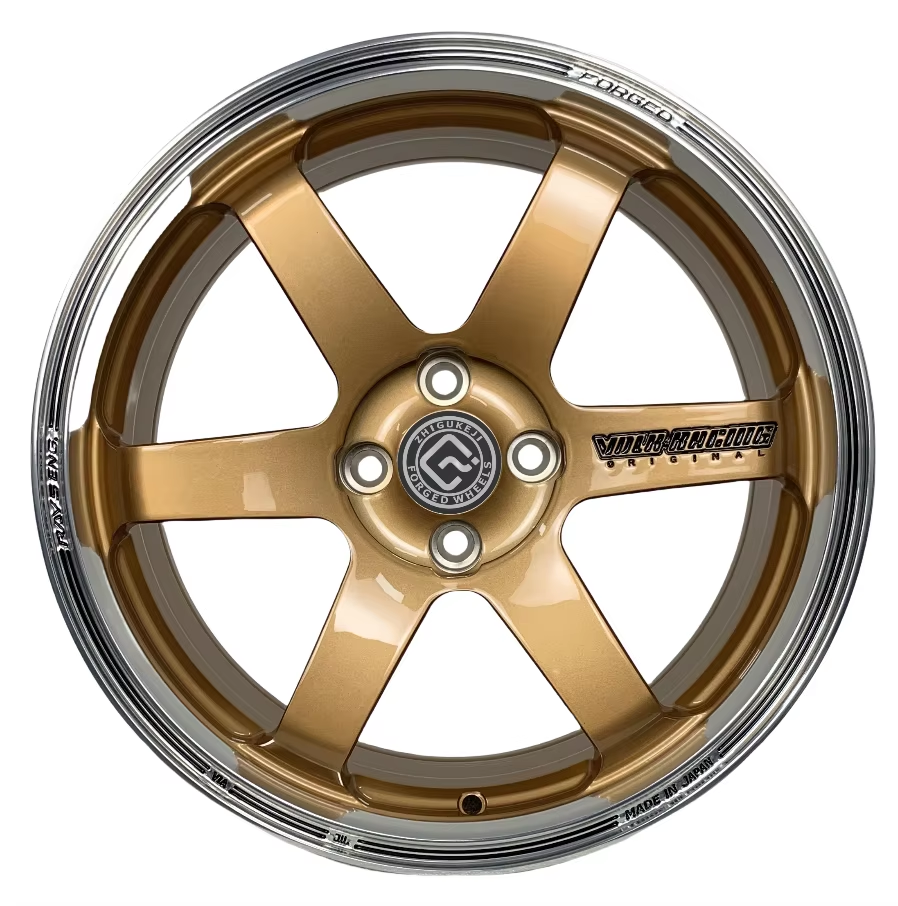
How Tesla Rims Enhance Aerodynamics and Extend Real-World Range
The Link Between Rim Design, Drag Coefficient (Cd), and EPA-Estimated Range
The Tesla rims come with carefully calculated depth and width measurements that help control how air moves around the wheel area, which cuts down on the car's drag coefficient or Cd as it's known in the industry. Aerodynamic drag eats up about 60% of an electric vehicle's power when driving on highways, so even tiny improvements in Cd make a real difference. A Cd reduction of just 0.01 can boost the EPA estimated range by roughly 1 to 2 percent according to tests. Take turbine style rims for instance they actually channel air better around the wheels compared to flat faced designs that tend to create those annoying air vortices. All this careful airflow planning means less energy gets used up during those standard EPA test drives where how well something cuts through air matters most.
Real-World Impact: Range Loss/Gain Data from Tesla’s Engineering Reports and Owner Telemetry
Real world driving data shows that these wind resistance improvements work just as well outside the lab setting. When Tesla did their own tests on highways, they found that original equipment manufacturer wheels increased driving range by around 3 to 5 percent when going at constant speeds between 65 and 75 miles per hour, which is exactly where air resistance becomes really significant. Looking at what actual owners reported about their cars with regular aftermarket wheels instead, there was typically a drop in range somewhere between 4 and 7 percent under similar circumstances. This pattern remains pretty much the same throughout different seasons too. Even better than adding those little wing things or switching to special tires, picking the right wheels turns out to be one of the biggest ways Tesla owners can actually make their cars go farther on each charge.
OEM vs. Aftermarket Tesla Rims: Compatibility, Safety, and Warranty Risks
Critical OEM Specifications: Bolt Pattern, Offset, Center Bore, and Load Rating Requirements
For Tesla wheels to work properly, they need to stick pretty close to certain mechanical standards that keep everything safe and running smoothly. Take those special bolts spaced at 5x120 mm apart, the center hole measuring exactly 64.1 mm, plus the offset range between ET35 and ET45. These numbers aren't just random specs; they actually stop problems like wheels rubbing against things, annoying vibrations, or when the wheel doesn't sit right on the hub. What really matters though is how much weight each wheel can handle. The minimum should be around 750 kg per wheel, which is actually 20% more than what regular cars usually need. This extra capacity helps carry the heavy battery pack and all the forces acting on it while driving. A lot of aftermarket wheels don't have proper testing behind these four key measurements. When this happens, drivers might end up dealing with worn out suspension parts sooner than expected, bearings going bad, or worse yet, their car handling poorly in tricky situations.
Warranty Consequences: Documented Cases Where Non-Certified Rims Voided Battery or Drive Unit Coverage
Putting non certified rims on a Tesla can actually void coverage for some pretty expensive parts. The service centers found something interesting last year looking at drive unit claims. Out of all the cases where people had put on aftermarket wheels, around 62% showed weird torque stress patterns. That's why they got denied under part 4B of the Tesla service agreement. The agreement specifically says only OEM approved components count when it comes to protecting the structural battery warranty. There was one real world example where someone lost about 35% of their driving range because they installed rims that were too small. These tiny rims caused both heat issues and mechanical problems throughout the powertrain system. Eventually this led to the whole battery warranty being thrown out. What this shows is that Tesla doesn't see wheel compatibility as just looks stuff. They consider it absolutely essential for keeping the drivetrain working properly over time and making sure everything stays safe.
Performance Trade-Offs in Tesla Rim Selection: Weight, Material, and Thermal Behavior
Forged, Flow-Forged, and Cast Aluminum – Comparative Analysis of Mass, Strength, and Brake Cooling
What a rim is made of and how it's built really affects how well a car performs, mainly because of things like unsprung weight, how strong it is structurally, and how it handles heat. Forged aluminum rims are typically found on high performance models for good reason. Their grain structure gets compressed during forging which makes them stronger relative to their weight. This process can cut down unsprung mass by around 15 to 20 percent compared to regular cast rims. The lighter weight means cars respond better to driver inputs, handle corners more precisely, and generally drive more efficiently. Flow-forged rims sit somewhere in between. They're cheaper than full forged ones but still save some weight while being tougher than standard cast rims. Cast aluminum rims are definitely the heaviest though, and that extra weight creates more rotational inertia. Most people won't notice much difference day to day, but it does affect acceleration times and overall range for electric vehicles. When it comes to keeping brakes cool, open spoke designs in both forged and flow-forged rims let air flow through about 30 to 40 percent better than those closed off cast patterns. Even though all aluminum has roughly the same thermal properties at around 200 watts per meter Kelvin, the actual shape and design of the rim ends up being far more important than just what metal was used when dealing with heat buildup from constant regenerative braking.
FAQ
What are the benefits of Tesla rims on a car's performance?
Tesla rims enhance aerodynamics by reducing the drag coefficient, improving energy efficiency, and extending the real-world range of a vehicle.
Why should Tesla owners prefer OEM rims to aftermarket ones?
OEM rims are designed to meet specific safety and compatibility standards, ensuring better performance and avoiding potential warranty voids, unlike aftermarket rims.
What materials are Tesla rims typically made of, and how do they differ?
Tesla rims can be made from forged, flow-forged, or cast aluminum, with each type offering different strengths regarding weight, structural integrity, and thermal management.
Can installing non-certified rims void a Tesla's warranty?
Yes, using non-certified rims can void warranty coverage for certain parts, as they may not meet the required specifications and could lead to mechanical issues.