
 EN
EN



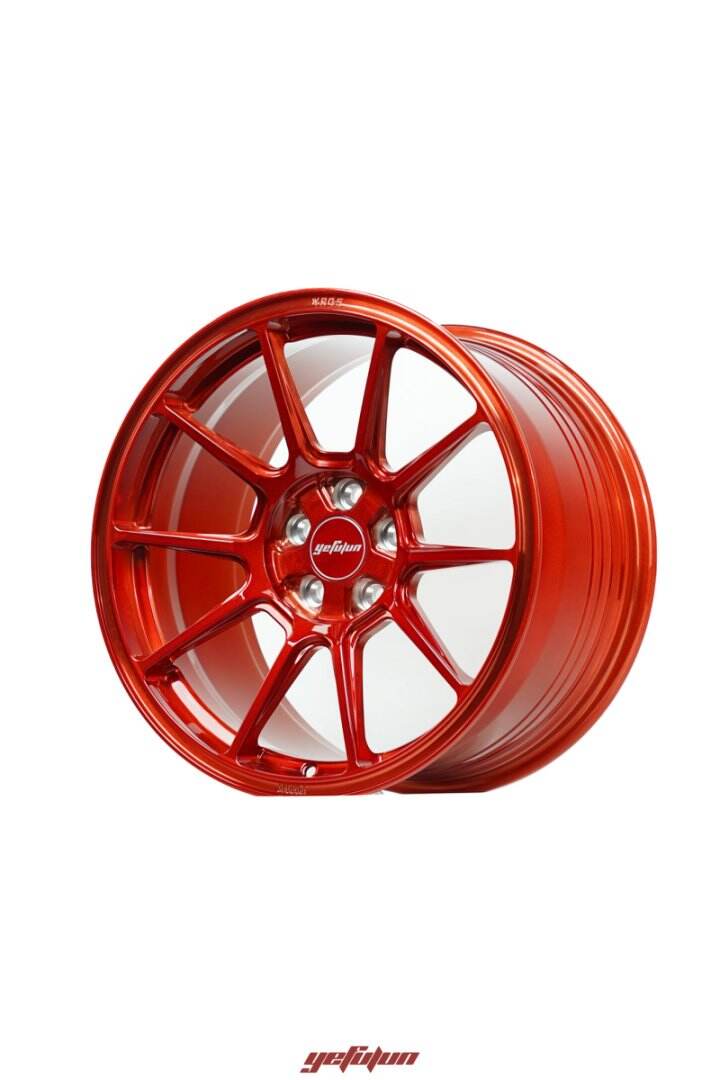
Engineering and Construction of 2 Piece Wheels
How 2-piece forged wheel construction enhances structural integrity
Two piece wheels have a modular design where a forged aluminum center is bolted onto a spun alloy barrel. This construction gets rid of those weak spots we typically see in monoblock wheels. The two part system allows for better grain flow when forging takes place, which boosts tensile strength somewhere around 18 to 22 percent over single piece cast wheels according to data from the Ponemon Institute back in 2023. When manufacturers separate these components, they get to fine tune each part separately. The center deals with all the hub centric loading, whereas the barrel takes care of lateral forces. A recent look at performance wheel engineering shows something interesting too. The 2024 report indicates that this setup cuts down on stress concentrations by about 37% when cars are taking corners hard. Makes sense really, since distributing the load across different parts just has to be better than relying on one solid piece.
The role of modular forging in strength and durability under high-stress conditions
With two stage forging, manufacturers can really get a handle on how dense the material becomes in those two piece wheels. The central part gets shaped using around 10,000 tons of hydraulic force which helps line up the crystal structures in the aluminum properly. Meanwhile, they work on the barrel section separately through what's called rotary forging to make sure it has consistent thickness all around. Tests show this combined approach gives about 27 percent better fatigue resistance compared to regular monoblock wheels according to standards set by SAE J328 for suspension parts. When we talk about performance vehicles specifically, separating these different stress areas means when brakes generate heat during hard stops, that heat moves out through the barrel section instead of affecting the important lug area where everything connects together.
Material advantages: Why aerospace-grade aluminum is ideal for 2 piece wheels
| Property | Aerospace 7068 Aluminum | Standard A356 Alloy |
|---|---|---|
| Yield Strength | 103 ksi | 50 ksi |
| Thermal Conductivity | 130 W/m·K | 96 W/m·K |
| Weight (19" wheel) | 21.8 lbs | 25.4 lbs |
The aerospace grade 7068 aluminum typically found in jet turbine parts gives two piece wheels something special - they stay light yet super strong. At 103 ksi yield strength, manufacturers can actually make wheel walls 22 percent thinner without sacrificing stiffness, which helps hit those tricky unsprung weight goals so important for performance cars. When it comes to heat management, this material really shines. Thermal conductivity is way better than standard options (around 130 versus just 96 W/mK), meaning brakes cool down almost 40% quicker on the track according to tests run by Mercedes AMG last year during their endurance racing events. That kind of heat dissipation makes all the difference when pushing limits lap after lap.
Performance Benefits of Lightweight 2 Piece Forged Wheels
Reducing Unsprung Mass: Impact on Acceleration, Braking, and Handling
Two piece lightweight wheels cut down on unsprung mass around 30% when compared to standard cast versions, which makes cars accelerate faster, stop quicker, and handle better overall. When wheels are about 15% lighter, vehicles can come to a complete stop from 60 mph roughly 1.2 car lengths sooner while maintaining better grip during cornering tests. The reduced weight helps tires stay in contact with rough road surfaces about 18% longer too. Drivers notice this through crisper steering response and much more stable performance at higher speeds without unexpected wobbles or drift.
Enhanced Suspension Response and Vehicle Dynamics Through Wheel Lightweighting
Forged 2 piece wheels have lower rotational inertia, enhancing vehicle responsiveness. By minimizing mass at the outer diameter, they deliver a 0.08g improvement in transient response during aggressive maneuvers. Suspension systems react 22 milliseconds faster to road imperfections—a difference consistently noted by professional drivers in comparative evaluations.
Optimizing Weight Distribution for Real-World Performance Gains
Strategic weight placement in 2 piece wheels yields measurable performance improvements:
- Acceleration: 7% quicker 0–60 mph times due to reduced drivetrain inertia
- Cornering: 11% less understeer during threshold braking
- Thermal Management: Brake rotor temperatures drop by 30°F after repeated stops
These benefits are especially impactful in sports cars and performance sedans where balanced weight distribution is critical.
Case Study: Track Performance Improvements With 2 Piece Wheels on High-Performance Builds
Testing on a modified GT3-class vehicle highlights real-world gains from switching to forged 2 piece wheels:
| Metric | Stock Wheels | 2 Piece Forged | Improvement |
|---|---|---|---|
| Lap Time | 2:15.4 | 2:13.6 | 1.8s |
| Cornering G-Force | 1.4g | 1.47g | 5% |
| Brake Pad Wear Rate | 12%/session | 8%/session | 33% |
The modular design enabled precise alignment adjustments, eliminating fitment issues in wide-body configurations while maintaining a total wheel weight of 26 lbs—35% lighter than the original setup.
Customization and Aesthetic Flexibility of 2 Piece Wheels
Wide Range of Finishes, Sizes, and Fitment Options in Custom 2 Piece Wheel Designs
Two piece wheels these days give folks tons of options to customize their ride. We're talking about something like 15 different finishes right out of the box, everything from shiny black all the way to that cool brushed titanium look. These wheels can handle pretty wide setups too, going up to 13 inches across. Sizes range from 17 inches on up to 24 inches, so whether someone drives a tight little sports car or has one of those big wide body supercars, there's probably a fit. A recent report from 2024 shows most car fans care a lot about how their wheels look. Around two thirds actually put finish options at the top of their list when they start modifying their vehicles.
Modular Design Advantages: Interchangeable Barrels, Offsets, and Finishes
The separation of center and barrel in 2 piece wheels allows owners to swap components for different uses. Manufacturers now offer interchangeable:
- Barrels: Adjustable widths from 8” to 12.5” for seasonal tire changes
- Offsets: ±15mm tuning for alignment optimization
- Finishes: Mix brushed centers with polished lips
This modularity cuts long-term costs by 40–60% compared to replacing entire single-piece wheels for aesthetic updates.
Tailoring 2 Piece Wheels for Wide-Body Kits and Track-Inspired Street Applications
A 2023 study by a leading wheel manufacturer found that 73% of wide-body builds use 2 piece wheels due to their adjustable backspacing and concavity. These wheels clear large brake calipers while preserving suspension geometry, boosting lateral grip by up to 12% in track-to-street applications.
Design Versatility: Meeting the Rising Demand for Personalized 2 Piece Wheels
The modular nature supports over 250 unique configurations per model. Unlike cast wheels, forged 2 piece designs maintain structural integrity even with aggressive spoke patterns or exposed hardware—key factors behind their 31% annual growth in the luxury aftermarket segment.
Fitment Adaptability and Real-World Applications
Offset Adjustability and Fitment Flexibility in Diverse Vehicle Platforms
With a two piece setup, mechanics can adjust the barrel and face separately, which gives much better control over offset settings compared to what single piece wheels offer. The real advantage comes when working on different car types. Suspension components, brake calipers, and even fender clearances work out much better across all kinds of vehicles, whether someone has dropped their coupe low or lifted a truck high off the ground. According to recent studies published in Energy Informatics last year, cars equipped with these dual component wheels get the right fit about 35 percent more frequently than standard models. And for custom builds? Mechanics report that around four out of five times they don't need extra spacers at all, yet still keep that factory feel with proper hub alignment.
Ideal Use Cases: Custom Builds, Wide-Body Conversions, and Staggered Setups
2 piece wheels excel in applications requiring exact fitments: wide-body conversions needing widths up to 14", staggered setups balancing traction and agility, or custom chassis with non-standard bolt patterns. Their adjustable design allows matching front and rear track widths without sacrificing structural integrity—essential for integrating aftermarket aerodynamics or performance tires.
2 Piece vs. Single-Piece Wheels: Performance, Cost, and Value Comparison
Comparing Performance, Weight, and Durability Between Single-Piece and 2 Piece Wheels
While single-piece wheels—whether forged or cast—are typically 4–7% lighter due to fewer assembly components, 2 piece wheels offer superior long-term durability through modular construction. Damaged barrels or centers can be replaced individually, avoiding full-wheel replacement. Industry analysis reveals key differences:
| Metric | Single-Piece Wheels | 2 Piece Wheels |
|---|---|---|
| Impact Resistance | Prone to full failure | Localized damage containment |
| Customization | Limited to factory specs | Adjustable offsets/widths |
| Repair Costs | $600–$900 per wheel replacement | $200–$400 per component repair |
Are 2 Piece Wheels Worth the Premium Over Cast and Monoblock Alternatives?
The 15–30% price premium for 2 piece wheels reflects tangible benefits for modified and performance-oriented vehicles. While monoblock wheels suit stock applications, 2 piece systems provide distinct advantages:
- Fitment Flexibility – Accommodate widebody kits without spacers
- Weight Optimization – Aerospace-grade barrels reduce unsprung mass
- Long-Term Value – Component-level repairs extend wheel life
Enthusiasts and racers often justify the cost through longer service life, reduced downtime, and the ability to swap barrels between events—offering operational efficiency impossible with single-piece designs.
Frequently Asked Questions (FAQs)
What are the main advantages of 2-piece wheels over single-piece wheels?
2-piece wheels offer better structural integrity, customization options, and reparability compared to single-piece wheels. They allow for optimal fitment and weight distribution, enhancing performance and durability under high-stress conditions.
How does aerospace-grade aluminum benefit 2-piece wheels?
Aerospace-grade aluminum, like 7068, provides higher yield strength and better thermal conductivity, making 2-piece wheels lighter and more efficient at dissipating heat, crucial for high-performance applications.
Are 2-piece wheels worth the premium cost?
Yes, especially for enthusiasts and racers, as 2-piece wheels offer benefits like fitment flexibility, weight optimization, and long-term value, reducing downtime and allowing component-level repairs.
Table of Contents
- Engineering and Construction of 2 Piece Wheels
-
Performance Benefits of Lightweight 2 Piece Forged Wheels
- Reducing Unsprung Mass: Impact on Acceleration, Braking, and Handling
- Enhanced Suspension Response and Vehicle Dynamics Through Wheel Lightweighting
- Optimizing Weight Distribution for Real-World Performance Gains
- Case Study: Track Performance Improvements With 2 Piece Wheels on High-Performance Builds
-
Customization and Aesthetic Flexibility of 2 Piece Wheels
- Wide Range of Finishes, Sizes, and Fitment Options in Custom 2 Piece Wheel Designs
- Modular Design Advantages: Interchangeable Barrels, Offsets, and Finishes
- Tailoring 2 Piece Wheels for Wide-Body Kits and Track-Inspired Street Applications
- Design Versatility: Meeting the Rising Demand for Personalized 2 Piece Wheels
- Fitment Adaptability and Real-World Applications
-
2 Piece vs. Single-Piece Wheels: Performance, Cost, and Value Comparison
- Comparing Performance, Weight, and Durability Between Single-Piece and 2 Piece Wheels
- Are 2 Piece Wheels Worth the Premium Over Cast and Monoblock Alternatives?
- Frequently Asked Questions (FAQs)
- What are the main advantages of 2-piece wheels over single-piece wheels?
- How does aerospace-grade aluminum benefit 2-piece wheels?
- Are 2-piece wheels worth the premium cost?