
 EN
EN



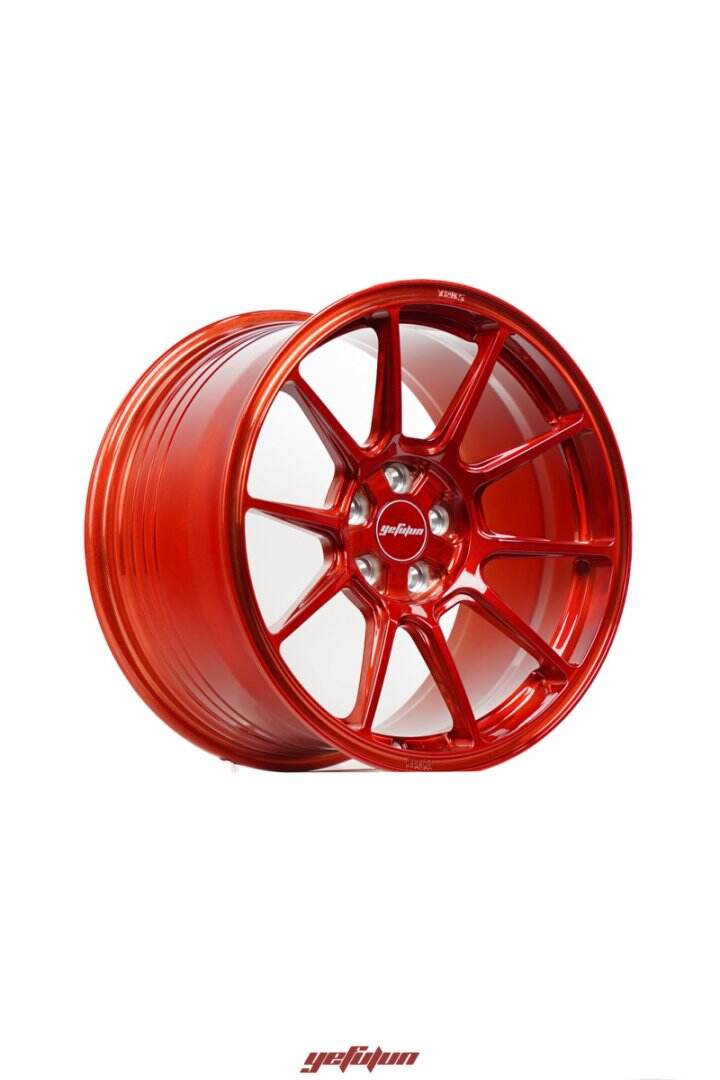
The Forging Process Behind Custom Forged Wheels: Precision from Billet to Finish
Aerospace-Grade Aluminum 6061-T6: Material Specifications and Strength Benefits
Forged wheels begin with something called aerospace grade aluminum 6061-T6. This particular alloy has some impressive specs too, with around 42 ksi of tensile strength and fatigue resistance that's actually triple what we see in regular cast aluminum. What makes it special is the ultra fine grain structure created when the metal gets pressed under massive forces over 8,000 tons. The result? Wheels that can take on lateral loads of up to 2,400 pounds but still manage to weigh about 25% less than their cast counterparts. Companies at the top of their game such as Rays Engineering have been using this stuff in serious motorsport scenarios for years now. When put through stress tests, this A6061-T6 material keeps beating steel hands down time after time, which explains why so many high performance vehicles rely on it these days.
High-Pressure and Rotary Forging: Enhancing Structural Integrity
Transforming billet into wheel involves two key forging stages:
- Form forging aligns the grain flow radially using 10,000-ton presses
- Rotary forging thins barrel sections to 4.5mm while preserving hub strength
This dual process achieves 98% material density compared to 85% in cast wheels and reduces porosity defects by 93%, according to JWL-VIA test standards. Modern high-pressure techniques now allow complex geometries such as deep concave profiles and ultra-thin lips, previously unachievable through casting.
T6 Heat Treatment and Stress Relief for Long-Term Durability
Post-forging thermal processing enhances durability through controlled heat treatment:
| Process | Temperature | Duration | Outcome |
|---|---|---|---|
| Solution Treatment | 985°F | 2 hours | Dissolves alloying elements |
| Quenching | Water | <60 sec | Locks microstructure |
| Artificial Aging | 350°F | 8 hours | Achieves T6 hardness (HRB 87) |
This sequence increases corrosion resistance by 40% over untreated forgings and prevents microcrack propagation, ensuring reliability across extreme temperatures (-40°F to 250°F).
CNC Machining for Final Shaping and Design Precision
Five-axis CNC milling achieves tolerances of ±0.004”, shaping intricate designs without compromising structural integrity. Critical thicknesses are maintained at:
- 6.2mm at spoke bases
- 5.1mm in barrel transition zones
- 4.3mm at outer rim edges
This precision enables features like hidden valve stems and stepped lips while preserving the continuous grain structure a factor validated in TÜV SÜD’s 2023 fatigue testing of aftermarket forged wheels.
Design Flexibility and Customization in Custom Forged Wheels
Multi-Piece Configurations: Custom Widths, Diameters, and Fitment Options
Multi-piece forged designs offer widths from 8" to 14" and diameters beyond 24", accommodating modified suspensions and aggressive stances. With offset adjustability up to ±50mm, these wheels ensure compatibility with large brake kits and widebody setups without sacrificing strength.
CAD Modeling and CNC Engraving: From Concept to Reality
Advanced CAD systems convert client concepts into precise digital models, allowing real-time adjustments to offset and brake clearance before production. Parametric modeling supports complex geometries from deep concavity to intricate spoke patterns while CNC engraving adds personalized details like logos or signatures with 0.1mm accuracy.
Tailoring Wheels for Luxury, Performance, and Motorsport Applications
Luxury variants feature brushed titanium finishes and micro-milled accents, whereas motorsport-focused designs emphasize weight reduction via skeletal spokes. Performance models often use hybrid barrel construction, reducing weight by 4.2 lbs per wheel compared to traditional monobloc forgings ideal for track-oriented builds.
Balancing Bespoke Demand with Industry Production Standards
Even highly customized wheels meet JWL/VIA standards through automated ultrasonic testing. This ensures compliance with rigorous benchmarks, including 2,500-lb radial load tests and over 100,000 impact cycles, matching OEM-level durability.
Custom Finishes and Aesthetic Engineering for Forged Alloy Wheels
Anodized, Powder Coated, and PVD Finishes: Pros, Cons, and Longevity
Three primary finish technologies dominate modern forged wheels:
- Anodized coatings form oxidation layers up to 0.003" thick, offering excellent scratch resistance but limited to 18 standard colors.
- Powder coating provides over 200 color options with 5–7 years of UV resistance; however, poor application can lead to micro-cracking under thermal stress.
- PVD (Physical Vapor Deposition) delivers chrome-like luster with triple the abrasion resistance of conventional plating, though it raises costs by 35–50% due to specialized equipment needs.
Matte black powder-coated finishes have been shown to increase vehicle resale value by up to 20% among urban buyers, according to industry research.
Diamond-Cut Accents and Layered Finishes for Visual Depth
Diamond cut faces produced through CNC machining form those beautiful light bending grooves that are just half a millimeter deep at most. When combined with layered finishes where translucent colors sit atop metal surfaces, these designs actually boost the sense of depth by around 40 to 60 percent. Getting these effects right demands extremely careful control of material thickness, typically within plus or minus 0.01 mm tolerance, otherwise the parts might wear away unevenly over time. For motorsport models, manufacturers sometimes add laser etched micro textures ranging from 50 to 100 micrometers deep. This creates brand markings that stay intact even after months of intense track activity, making sure logos remain visible despite all the punishment racing conditions can throw at them.
Durability vs. Aesthetics: Maintaining Appearance Under Real-World Conditions
Tests from JWL and VIA indicate that powder coated wheels maintain around 95% of their original shine even after sitting in salt spray chambers for 500 straight hours. That beats what we see from PVD coatings which typically hold onto only about 82% gloss under similar conditions. The catch though? When these fancy multi layer finishes get scratched or dented, fixing them ends up costing roughly 60% more than standard repairs. Most manufacturers put their products through some pretty intense testing to prove how long they'll last. We're talking about accelerated UV exposure tests alongside gravel impact simulations running for those grueling 1000 hour cycles. And lately there's been a trend toward ceramic clear coats too, allowing companies to offer extended warranty periods sometimes stretching all the way to seven years. For anyone wanting to keep those beautiful wheel finishes looking sharp over time, sticking with pH neutral cleaning products remains absolutely critical.
Performance Advantages of Custom Forged Wheels: Lightweight Strength and Efficiency
Reduced Rotational Mass and Its Impact on Acceleration and Fuel Efficiency
Custom forged wheels reduce rotational mass by 20–30% compared to cast alternatives. A 2024 Materials Engineering Study found that a 15% drop in unsprung weight improves 0–60 mph acceleration by 0.4 seconds and boosts highway fuel efficiency by 3.7%, thanks to reduced energy loss during rotation.
Superior Load Capacity and Resistance to Fatigue Stress
Single-piece forging increases load capacity by 25% while maintaining flexibility. Stress simulations show forged wheels endure 40% higher cyclic loads before fatigue onset compared to flow-formed wheels, enhancing safety during hard cornering and heavy braking.
Heat Dissipation and Performance Stability in High-Speed Driving
The uniform grain structure of forged aluminum offers 12% better thermal conductivity than cast alloys. Track data reveals forged wheel hubs run 18°F cooler than cast versions at sustained speeds above 150 mph, minimizing heat transfer to tires and preventing pressure fluctuations.
Case Study: Lap Time Improvements with Lightweight Forged Rims
In a controlled Nurburgring trial, vehicles equipped with custom forged wheels averaged lap times 1.8 seconds faster than those with OEM cast wheels. Engineers attributed 63% of the improvement to reduced rotational inertia, which enhanced both exit acceleration and mid-corner stability.
Quality Assurance and Industry Standards in Custom Forged Wheel Manufacturing
Non-Destructive Testing and Finite Element Stress Simulations
Manufacturers use ultrasonic and x-ray inspection to identify internal flaws without damaging components. Finite Element Analysis (FEA) simulates forces exceeding 1,200 G, predicting failure points before prototyping. According to ASTM E08 Committee (2024) findings, these methods improve fatigue resistance by 34% over conventional quality checks.
Compliance with JWL/VIA Standards and Real-World Validation Testing
Custom forged wheels undergo JWL/VIA certification, including 6,000-mile endurance simulations and 90-day salt spray tests. A 2023 Japanese Wheel Association study showed certified wheels withstand 2.5 times more curb impacts than non-certified ones. OEM partnerships often require even stricter validation, with stress thresholds exceeding aftermarket standards by 40%.
Aftermarket Perception vs. OEM-Level Rigor: Addressing Quality Concerns
Despite 62% of consumers associating aftermarket wheels with lower durability (SEMA 2023 Survey), manufacturers counter this perception through:
- Dual certification (JWL + OEM test profiles)
- Metallurgical reports accessible via QR codes
- Third-party audits verifying CNC machining within ±0.01mm
VIA-certified facilities achieve 92% defect detection using phased-array ultrasonic testing, bringing aftermarket quality in line with OEM benchmarks.
Frequently Asked Questions
What makes forged wheels superior to cast wheels?
Forged wheels are stronger, lighter, and have less porosity, making them more durable and efficient compared to cast wheels.
How does the forging process enhance wheel performance?
The process aligns the grain structure, improving strength, reducing weight, and allowing for intricate designs.
Why is T6 heat treatment important for forged wheels?
It increases hardness and enhances long-term durability, preventing microcrack propagation under stress.
What customization options are available for forged wheels?
Options include different finishes, engravings, multi-piece configurations, and personalized design elements.
Are custom forged wheels compatible with all vehicles?
They are designed to fit various setups, including large brake kits and modified suspensions, with adjustable offsets for compatibility.
Table of Contents
- The Forging Process Behind Custom Forged Wheels: Precision from Billet to Finish
- Design Flexibility and Customization in Custom Forged Wheels
- Custom Finishes and Aesthetic Engineering for Forged Alloy Wheels
- Performance Advantages of Custom Forged Wheels: Lightweight Strength and Efficiency
- Quality Assurance and Industry Standards in Custom Forged Wheel Manufacturing
- Frequently Asked Questions