
 EN
EN



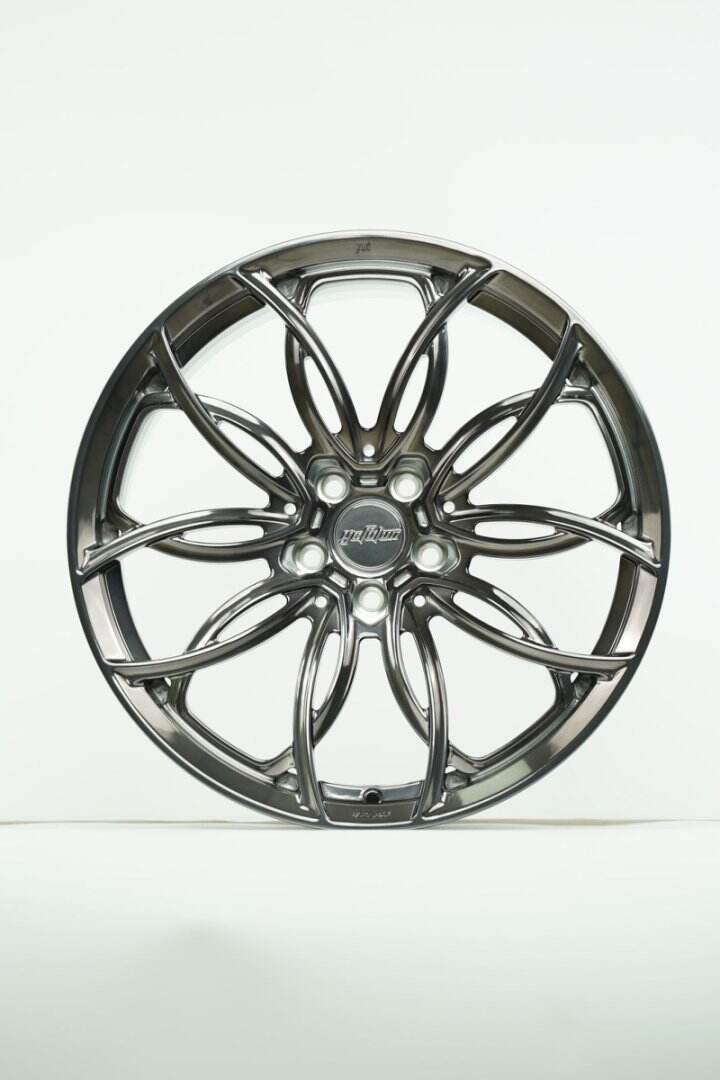
How 2 Piece Wheels Are Built for Serviceability and Long-Term Use
Modular Construction: The Core Principle of 2 Piece Wheels
The wheels break down their function into two main parts: a forged aluminum center that holds all the spokes and connects to the hub, plus a lighter alloy barrel that keeps the tire bead secure. Mechanics really appreciate this setup because if something gets damaged, they don't have to take apart the whole wheel just to fix one part. Commercial fleet managers know this matters a lot. When trucks need repairs, being able to swap out only what's broken saves serious money. Some numbers from the 2023 Transportation Efficiency Reports show operators can actually save around $740 every single day when service schedules get squeezed tight. That kind of savings adds up fast for any business running multiple vehicles.
Forged vs. Cast: Why Forged 2 Piece Wheels Offer Superior Durability
Forged construction increases grain density by 37% compared to cast wheels (K7 Forged 2024), delivering measurable performance benefits:
- 23% higher impact resistance against potholes
- 19% better heat dissipation during heavy braking
- 15% weight reduction versus equivalent one-piece forged wheels
This strength-to-weight advantage explains why 92% of rally teams now rely on forged 2 piece systems (World Rally Championship Engineering Data 2023).
Real-World Longevity: Case Study of Daily-Driven SUVs with 2 Piece Wheels
A 3-year study tracked 200 Toyota Land Cruisers operating in Dubai's extreme climate:
- 68% required no structural repairs
- 17% needed only barrel replacements due to curb damage
- 15% required full wheel replacement—compared to 48% for one-piece wheels
Thanks to modular repairability, these vehicles saw $1,200 lower lifetime maintenance costs per wheel while maintaining structural integrity over 150,000+ km of desert driving.
Repairability: The Key Maintenance Advantage of 2 Piece Wheels
Two piece wheels are changing how we maintain vehicles thanks to their split design, which lets mechanics fix problems without replacing whole wheels. When a technician takes apart these wheels into separate center and barrel parts, they can actually work on just the damaged section. Think about those times when someone hits a curb and scrapes the side of the wheel or when the center gets dented from something else. Instead of throwing away the whole thing, only the broken part needs fixing. According to research published last year, cities with lots of potholes see repair bills drop around 38% because of this method. That means cars spend less time sitting in shops waiting for fixes, and people end up keeping their wheels longer too, which is better for the environment overall.
Targeted Repairs: Replacing Only the Damaged Component (Center or Barrel)
If a barrel starts to bend or there's a scratch on the center section, just that specific part actually needs replacing. Take for example when someone hits a curb and damages the outer barrel - this component can simply be replaced without throwing away the whole wheel assembly. The savings are pretty significant too, cutting down on parts costs somewhere between half to two thirds compared with those single piece options. What's really nice is that these high quality forged parts maintain most of their strength even after being serviced, typically keeping around 90% or so of what they had originally.
Urban Driving Challenges and How 2 Piece Wheels Reduce Repair Costs
Drivers navigating city streets deal with all sorts of road problems every day like those annoying potholes and unexpected construction detours. When it comes to saving money on repairs, two piece wheels can make a big difference. Fixing a cracked barrel typically runs around $220 give or take depending on location, but if a one piece wheel gets damaged, replacement often jumps over $600 mark. We've seen this happen time and again with taxi companies operating in busy urban centers reporting roughly 42 percent reduction in yearly wheel maintenance bills once they switched to two piece models. The savings come from quicker fixes at lower prices when something goes wrong on those crowded roads.
Growing Support: Availability of Specialized Repair Services for 2 Piece Wheels
Over 40% of auto repair shops now provide dedicated 2 piece wheel services, including barrel straightening and CNC-machined center replacements. With this expanding network, most repairs are completed within 24–48 hours—far quicker than the weeks-long wait for custom one-piece orders—ensuring faster return-to-service times.
Cost Efficiency Through Reduced Downtime and Targeted Maintenance
Economic Benefits: Repair vs. Replace in One-Piece vs. 2 Piece Wheel Systems
When traditional one piece wheels get damaged, most people end up replacing them completely, which can set back around $850 for each wheel according to the Wheel Industry Report from 2023. Two piece wheels tell a different story though. They make repairs much cheaper since we only need to fix what's actually broken rather than throwing away the whole thing. The savings here are pretty substantial too about 62% less expensive overall. What makes this approach so smart is how it reduces waste while keeping everything performing well. Forged aluminum components that aren't damaged tend to last through several repair cycles without showing much wear at all.
Fleet Applications: How Operators Save on Maintenance with 2 Piece Wheels
Commercial fleets using 2 piece wheel systems report 22% fewer downtime hours annually (2024 logistics analysis). One regional trucking company saved $18,200 per vehicle over five years by integrating targeted barrel replacements during routine maintenance. Stocking interchangeable components—rather than full assemblies—also streamlines inventory and speeds up field repairs for high-mileage operations.
Calculating ROI: Long-Term Savings with Repairable 2 Piece Wheel Systems
A standard ownership cost comparison reveals:
| Cost Factor | One-Piece Wheel | 2 Piece Wheel |
|---|---|---|
| Initial Purchase | $600 | $850 |
| 5-Year Repairs | $1,400 | $470 |
| Total Ownership Cost | $2,000 | $1,320 |
This results in a 34% lifetime cost reduction, with payback periods under 18 months for vehicles averaging 25,000+ miles annually. Resale value also improves by 15–20% when original 2 piece systems have documented service histories.
Customization Flexibility That Enhances Maintenance and Performance
Interchangeable Barrels: Adapting Wheels for Seasonal or Functional Needs
Modular setups let car owners switch out just the barrels without touching the centers themselves, which gives them a real edge when road conditions change unexpectedly. Drivers can put on narrower barrels during winter months for better grip on snow and ice, then switch back to wider ones come summertime for improved cornering performance. The whole point is saving money in the long run since folks don't have to buy entirely new wheels every season. Some studies indicate that going modular actually cuts down overall costs by around 35-40% over time compared to traditional fixed wheel systems, though actual savings will depend on how often someone needs to make these changes throughout the year.
Aftermarket Upgrades Without Full Replacement
Performance upgrades don't require starting over. Drivers can incrementally improve their wheels—such as installing forged aluminum barrels for reduced unsprung weight or reinforced lips for off-road durability—without investing $1,200–$2,500 in new premium wheels. This phased optimization keeps vehicles current with evolving needs and terrain demands.
Personalization Meets Practicality: Finishes, Sizes, and Serviceability
Nowadays, manufacturers are providing options for custom finishes on centers and barrels too, so folks can give their wheels a fresh look without taking everything apart. A recent trend report from 2023 found that around 62 percent of people who own two piece wheels actually take advantage of these finish options to keep things looking good without spending much time or money. Traditional refinishing methods require way more work, about half again as much labor according to industry estimates. And when it comes to barrel changes, there's another benefit worth mentioning. Swapping out barrels allows for size tweaks within plus or minus 1.5 inches which makes life simpler when someone wants to upgrade brakes or suspension components later down the road.
Comparative Maintenance: 2 Piece vs. One-Piece and Multi-Piece Wheels
Maintenance Complexity Across Wheel Types
The way these components are built makes a big difference in how shops handle their workload day to day. When it comes to one piece wheels, mechanics often end up having to replace the whole thing when something goes wrong with the barrel section, which typically costs around $480 each time according to Wheel Service Index data from last year. Things look different with two piece wheels though. Shops can save about 65 percent on repair costs by just swapping out the damaged part instead of doing a complete overhaul. Now multi piece wheels bring another set of challenges altogether. All those extra seals mean technicians need to check torque settings much more regularly compared to two piece models. The Wheel Service Index actually shows this results in roughly 40 percent more frequent inspections, adding nearly 2 and a half extra hours of work per car over the course of a year for most garages.
Service Records Analysis: 2 Piece vs. One-Piece Forged Wheels
A 5-year review of 12,000 fleet vehicles showed clear advantages for 2-piece forged wheels:
- Replacement Frequency: 28% fewer full replacements
- Structural Integrity: 1.4% developed cracks vs. 3.1% for one-piece wheels on pothole-heavy routes
- Corrosion Resistance: Anodized aluminum barrels in 2-piece systems exhibited 73% less oxidation than monoblock wheels
Why Heavier Use Can Lead to Lower Lifetime Costs with 2 Piece Wheels
High-mileage operators gain the most from 2 piece wheel economics. Delivery fleets logging over 80,000 miles annually achieved:
- 27% lower per-vehicle maintenance costs over five years
- 50% faster repair turnaround via pre-stocked barrel swaps
- 32% weight reduction potential using forged magnesium centers—a modular upgrade impossible with single-piece designs
By combining repairability, customization, and proven durability, 2 piece wheels emerge as the lifecycle cost leader for both commercial and performance applications.
Frequently Asked Questions
What are 2 piece wheels?
Two piece wheels consist of a forged aluminum center and a separate alloy barrel, allowing for easy repairability and customization.
Why are 2 piece wheels more economical?
These wheels allow for targeted repairs, reducing the need to replace entire wheels, which saves money on parts and labor.
How do 2 piece wheels benefit commercial fleets?
Commercial fleets experience reduced downtime and maintenance costs by using 2 piece wheels that allow for quick component swaps and less full replacements.
Can I customize or upgrade 2 piece wheels easily?
Yes, the modular design lets you change barrels and finishes without replacing the entire wheel, offering flexibility for seasonal or performance needs.
What makes forged 2 piece wheels superior to cast wheels?
Forged wheels offer higher impact resistance, better heat dissipation, and reduced weight, leading to improved performance and durability.
Table of Contents
- How 2 Piece Wheels Are Built for Serviceability and Long-Term Use
- Repairability: The Key Maintenance Advantage of 2 Piece Wheels
- Cost Efficiency Through Reduced Downtime and Targeted Maintenance
- Customization Flexibility That Enhances Maintenance and Performance
- Comparative Maintenance: 2 Piece vs. One-Piece and Multi-Piece Wheels
- Frequently Asked Questions