
 EN
EN



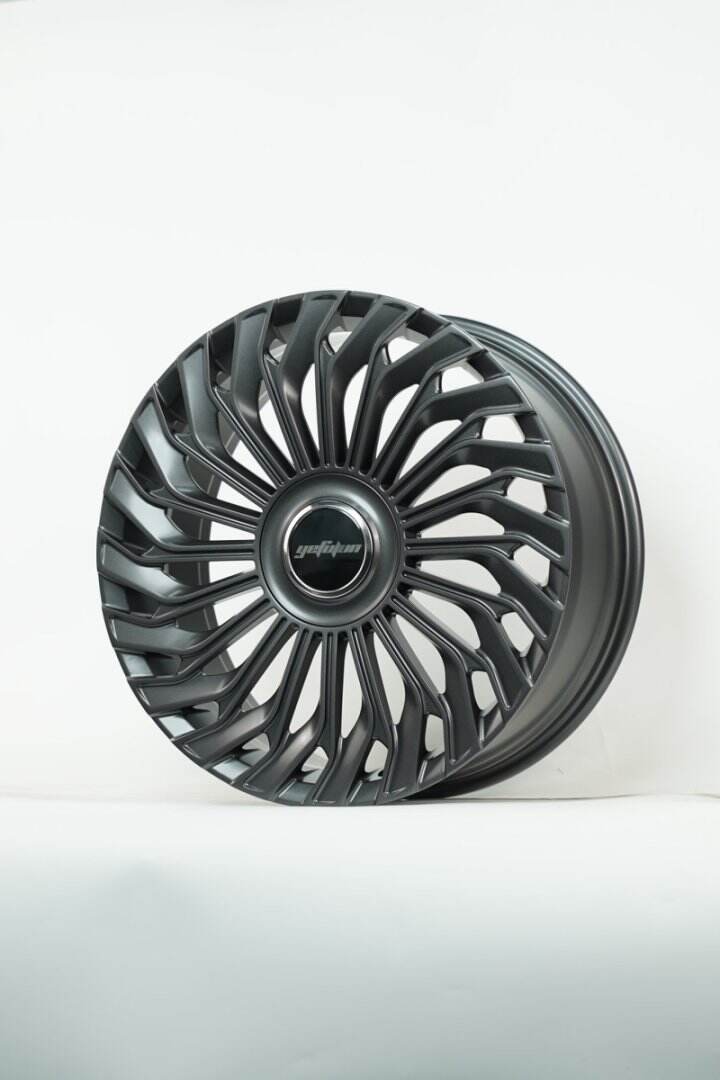
What Are Beadlock Wheels? Core Function and Mechanical Design
How Beadlock Wheels Secure the Tire Bead Under Extreme Low-Pressure Conditions
Beadlock wheels actually lock the tire bead onto the rim through a special bolted ring instead of just depending on air pressure. The system works by squeezing the tire's bead between two parts: the outer edge of the wheel itself and another metal ring made from alloy material. This second ring is attached with strong bolts that hold everything in place. When people who drive off-road vehicles let their tires down to around 8 to 10 pounds per square inch for better grip on tricky terrain like sand or rocky paths, these beadlocks stop the tire from coming completely off the rim. That kind of failure happens all too often with regular wheels when they're run at such low pressures. Mechanics usually tighten the bolts in sequence while controlling how much torque is applied, which helps spread out the pressure evenly around the whole wheel. This keeps the tire firmly attached even when going through rough spots or hitting obstacles sideways. Because of this design, drivers can safely operate their vehicles at those lower pressure levels where normal wheels simply wouldn't work.
Beadlock vs. Standard Wheel Construction: Structural Differences That Matter
Standard wheels rely on a single-piece design where air pressure seats the tire bead against an internal safety hump. Beadlocks diverge fundamentally through multi-component engineering:
- Mechanical retention: Bolted rings serve as the primary bead-securing mechanism—not pneumatic pressure
- Reinforced interfaces: CNC-machined flanges and rings resist deformation under rock-crawling torsion and side loads
- Adjustable clamping: Torque-spec bolts allow precise, repeatable compression of the tire bead
- Failure redundancy: The locked bead remains seated even during total air loss
While standard wheels perform reliably on pavement and mild trails, this structural reinforcement becomes essential below 12 PSI in extreme terrain. The trade-offs—increased unsprung weight (15–25 lbs per wheel) and mandatory bolt inspection every 500 off-road miles—are well-documented by manufacturers like Method Race Wheels and Fuel Off-Road.
Performance Benefits of Beadlock Wheels in Demanding Off-Road Environments
Enhanced Traction and Control in Sand, Mud, and Rock-Crawling Scenarios
Beadlock wheels really boost stability and give drivers better control when driving on loose or bumpy ground because they stop something called bead slippage, which is basically what causes those sudden losses of traction everyone hates. When we lower the air pressure in tires, the part touching the ground gets bigger, and beadlocks keep that larger area locked onto the wheel itself. For instance, out in the desert dunes, vehicles equipped with these wheels tend to sink less into the sand while floating better across the surface. In muddy conditions, there's less spinning of the wheels and more actual movement forward. On rocky trails where things get tricky, beadlocks help protect tires from getting cut up by sharp rocks and maintain good steering response even when climbing or descending steep slopes. The benefits become super noticeable in races against the clock like dune racing competitions, where maintaining proper tire pressure throughout the course makes all the difference between winning and crashing.
Enabling Safe Tire Airing Down Below 12 PSI — The Key Beadlock Advantage
What makes beadlock wheels stand out is how they handle those super low tire pressures, sometimes as little as 5 to 8 psi, without the tire coming off the rim. Regular wheels start acting wonky when pressure drops below 15 psi, and things get really dangerous once weight is added. Beadlocks fix this problem by physically locking the tire bead in place, so drivers can run much lower pressures. Lower pressure means bigger contact patches with the ground, which translates to better grip when tackling tough terrain. Think about those deep mud holes, icy hills, or wet dirt trails where normal tires would just spin out. Real world proof? Rock crawling enthusiasts and desert racing pros rely on beadlocks all the time to keep their rigs stable and prevent accidents or getting stuck in remote areas. The SAE International Journal actually backs this up, showing that maintaining low pressure without losing the bead significantly improves traction while keeping vehicles safe during extreme off-road adventures.
When Do You Actually Need Beadlock Wheels? Real-World Use-Case Assessment
Necessity Triggers: Competitive Rock Crawling, Dune Racing, and Extreme Mud Bogging
When pushing tires to their absolute limits, beadlock wheels stop being optional and start becoming essential equipment, especially in these three intense situations. Take competitive rock crawling for instance. Most serious crawlers run below 10 PSI so their tires mold around jagged rocks and uneven terrain. Without beadlocks, those tires would simply pop off during steep ascents or when taking sideways hits against massive boulders. Then there's dune racing where racers typically set pressures between 8 and 12 PSI to maintain grip through tight corners while still floating over sand at high speeds. Standard wheels just aren't cut out for this kind of punishment and often slip right off mid-turn. And let's not forget about extreme mud bogging where drivers sometimes drop pressures down close to 6 PSI to get maximum contact with muddy surfaces. The problem? Mud creates suction that pulls regular tires right off their rims. That's why serious off-road enthusiasts know mechanical clamping beats relying solely on air pressure. This isn't just theory either. Safety regulations from groups like UFWDA and events such as King of the Hammers actually require beadlocks for good reason.
Recreational Off-Roading Reality Check: Why Most Drivers Don’t Require Beadlock Wheels
Most adventure drivers who stick to gravel roads, forest service paths, or run-of-the-mill mud don't really need beadlock wheels. Regular wheels work just fine when tire pressure stays above 15 PSI, something that happens in about 80% of weekend off-road adventures based on numbers from the Off Road Business Association's latest survey. Beadlocks come with extra weight problems too. They require constant checking of torque specs and watching for rust spots. Plus there are legal issues in some states like California where they can't be driven legally on streets unless they meet these special FMVSS-110 requirements. For anyone not constantly tackling serious rock crawling stuff that needs tires running under 12 PSI, standard wheels make much more sense financially speaking. They're simpler to maintain, easier to find replacements for, and won't land someone in trouble with local laws while still keeping everyone safe out there.
Frequently Asked Questions
What are beadlock wheels?
Beadlock wheels are specialized wheels that lock the tire bead onto the rim with a bolted ring, instead of relying solely on air pressure. This design is particularly useful for off-road vehicles operating at low tire pressures.
Why are beadlock wheels used?
Beadlock wheels provide enhanced traction and control, especially in demanding off-road environments like sand dunes, mud, and rocky terrains. They prevent tire separation from the rim at low pressures, which is critical for extreme off-road conditions.
Do I need beadlock wheels for general off-roading?
For general off-roading activities like driving on gravel or mild trails, beadlock wheels are usually not necessary. Regular wheels can perform adequately when tire pressure is above 15 PSI.
What are the downsides of beadlock wheels?
The downsides include increased weight, more frequent maintenance checks for bolt torque and rust, and legal restrictions in some states for on-road use.