
 EN
EN



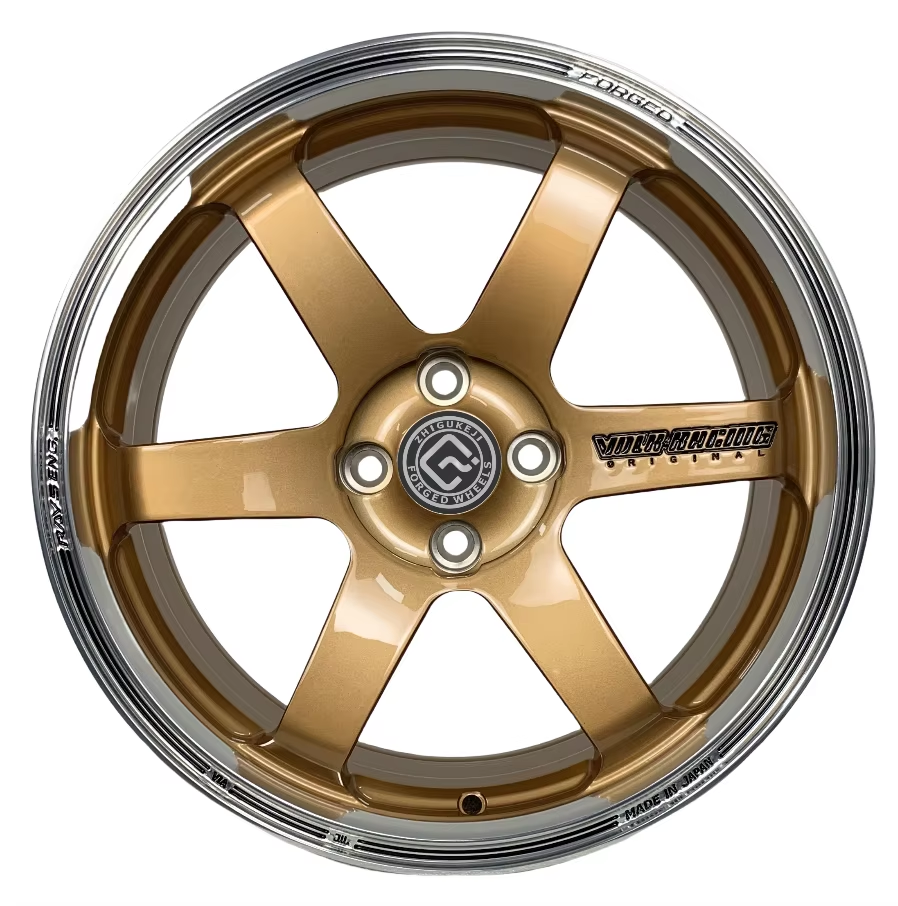
Understanding Wheel Offset: From Definition to Handling Impact
Positive, Negative, and Zero Offset — How Each Affects Wheel Positioning and Load Path
Wheel offset, which is measured in millimeters, basically tells us where the wheels sit in relation to the car's suspension parts. When we talk about positive offset, what happens is the part where the wheel mounts moves towards the outside edge of the wheel itself. This makes the wheel sit further inside the fender well, cutting down on something called scrub radius and making steering feel sharper. On the flip side, negative offset pushes everything outwards, giving the car a wider track that helps it handle corners better but puts extra strain on those wheel bearings over time. Zero offset sits right in the middle ground, balancing things so weight gets spread evenly throughout all the suspension joints. Different setups change how forces travel through the control arms too. Positive offset sends most of the load inward towards the frame reinforcement areas, whereas negative offset pushes those forces outwards. This can really tax the hub assemblies unless everything matches up correctly with how the vehicle was originally designed. Picking the right option comes down to what kind of suspension setup someone has and what they want from their driving experience. Do they prefer quicker responses when turning? Or maybe they're after that aggressive wide stance look?
Why 'Custom Offset Wheels' Are Not Just Fitment Tools — They Redefine Suspension Kinematics
Offset wheels aren't just about getting those wheels to fit right on the car. They actually change how the suspension works when driving around corners. Moving the wheel position compared to where the steering pivots affects things called kingpin angle and scrub radius. These factors determine exactly how the suspension behaves when going over bumps or hitting potholes. What happens next? The camber angle changes while turning. If someone picks the right negative offset, it creates more negative camber when cornering hard, which means better grip from the tires when loaded up. There's another thing happening too. The effective swingarm length gets modified. Think of it as changing where the wheel sits relative to the suspension components. This impacts anti-squat and anti-dive characteristics during acceleration and braking. When done correctly, all these tweaks help manage weight distribution across the car without messing up the original alignment specs set by manufacturers. So despite what some might think, custom offset wheels are serious performance enhancements rather than just looks-oriented modifications.
The Handling Triad: How Custom Offset Wheels Alter Steering Response, Stability, and Cornering Balance
Steering Precision: Reduced Scrub Radius and Improved Turn-In Feedback
When wheel offset gets adjusted, it actually impacts something called scrub radius which measures the space between where the steering pivot line meets the ground and the center of the tire itself. Getting that scrub radius down usually means making some careful adjustments to the offset settings. What happens then? Turns become sharper because there's less variation in how much force needs to be applied when steering. People behind the wheel notice this difference immediately since they get clearer sensations from the road surface coming through their hands on the steering wheel. For anyone pushing limits on track days or just wanting better control around corners, these small improvements matter quite a bit. Some folks working on suspension setups have seen results where cutting back about 15 millimeters off standard offsets leads to roughly 30 percent less scrub radius. That kind of tweak often turns those generic feeling factory steering systems into something much more responsive and engaging for drivers who want real connection with their vehicle.
Stability Trade-Offs: Camber Gain, Understeer/Oversteer Shifts, and High-Speed Composure
Better steering feels great, but those custom offset wheels come with some tricky stability issues. When the track gets wider because of negative offsets, the car gains more camber while turning corners which means better grip on the road surface. However, this same effect might actually lead to oversteering when pushed hard. At higher speeds, things get even worse since changing how weight distributes puts extra strain on bearings and makes toe alignment less consistent over time. Some tests indicate that shifting just 10mm in offset changes how much understeer versus oversteer occurs by around 8 percent. That kind of difference needs adjustments to the suspension system to compensate properly. If someone skips this step, they risk losing control during sudden lane changes or driving through rain, which is why getting professional help with wheel setup remains so important for safe performance.
Track Width, Load Transfer, and Real-World Performance Limits of Custom Offset Wheels
Wider Track — Better Handling: The Critical Role of Center of Gravity Alignment and Roll Couple Distribution
When someone widens their car's track with those aggressive negative offsets, sure it looks great visually, but don't expect magic handling improvements overnight. Getting real performance out of these modifications depends heavily on how well the Center of Gravity lines up with what we call the roll axis. The problem arises when widening actually drops the roll center below where it should be compared to the CoG. This throws off load transfer patterns, which leads to more body roll and tires getting loaded unevenly across corners. That means less grip exactly when drivers need it most during hard cornering. What matters most here is something called roll couple distribution, basically looking at the relationship between how high the CoG sits versus the roll center position. Some recent research from SAE back in 2023 showed cars with messed up roll couple setups ended up about 15% slower through slalom courses even though they had tracks widened by 50mm. Bottom line? Wider isn't always better unless everything else gets dialed in properly too.
Empirical Insight: Case Study — +35mm to +20mm Offset Change Yields Measurable Camber Gain & Understeer Reduction
A controlled test compared two offset setups on identical sedans:
- Baseline: +35mm offset (narrower track)
- Modified: +20mm offset (wider track)
Key performance shifts emerged:
| Metric | +35mm Offset | +20mm Offset | Change |
|---|---|---|---|
| Static Camber | -0.8° | -1.3° | +62.5% |
| Peak Cornering Grip | 0.92g | 0.98g | +6.5% |
| Understeer Gradient | 4.2 deg/g | 3.1 deg/g | -26.2% |
The modified geometry improved dynamic camber during suspension compression, optimizing tire contact. This reduced understeer by 26% and increased peak grip—demonstrating how custom offset wheels recalibrate suspension behavior. However, engineers observed accelerated bearing wear at +20mm, underscoring the durability-performance balance.
Optimizing Custom Offset Wheels: Balancing Performance, Durability, and Factory Engineering Intent
Bearing and Hub Stress: When Aggressive Negative Offset Compromises Long-Term Reliability and Toe Stability
When wheels are mounted with negative offset, it puts extra strain on both bearings and hubs, making suspension forces jump anywhere from 15 to 30 percent above what manufacturers designed for according to SAE International research from last year. The result? Bearings tend to wear out faster and drivers might notice their car pulling sideways when taking sharp turns at speed. Many car enthusiasts simply don't realize how much stress builds up over time. Take a wheel with -25mm offset for instance—it's like putting an extra 300 kilograms onto the hub assembly that wasn't meant to handle such weight. As months pass, this kind of setup gradually robs the vehicle of its responsive feel while increasing the chances of parts breaking down unexpectedly, particularly problematic for cars driven every day or clocking thousands of miles each month.
Clearance, Fender Fitment, and Suspension Travel — Avoiding Compromise in Real-World Driving Conditions
Optimal custom offset wheels must balance three real-world constraints:
- Fender clearance: Wheels extending beyond fenders risk tire rub during suspension compression
- Suspension travel: Aggressive offsets can reduce available travel by 10—25% in independent suspensions
- Steering geometry: Limited inner clearance may restrict full-lock turning radius
The ideal setup maintains near-factory scrub radius while preserving at least 20mm of dynamic clearance. Unlike show-focused builds, street-driven cars need margin for potholes and uneven terrain where suspension reaches full compression. Respecting these limits ensures performance gains don’t sacrifice drivability or long-term reliability.
FAQ Section
What is wheel offset and why is it important?
Wheel offset is the measurement of where the wheel sits relative to the car's suspension. It is crucial for determining how forces are distributed through the vehicle, impacting handling and performance.
How does positive wheel offset affect performance?
Positive offset places the mounting surface towards the outside edge of the wheel, reducing scrub radius, improving steering sharpness, and influencing load path towards the vehicle frame.
Does negative wheel offset improve cornering?
Yes, negative offset widens the track, enhancing cornering capability but also increases stress on wheel bearings over time, requiring careful consideration of suspension setup.
Are custom offset wheels suitable for everyday use?
Custom offset wheels can boost performance but need to balance durability and real-world driving conditions like fender clearance and suspension travel for long-term reliability.
Table of Contents
- Understanding Wheel Offset: From Definition to Handling Impact
- The Handling Triad: How Custom Offset Wheels Alter Steering Response, Stability, and Cornering Balance
- Track Width, Load Transfer, and Real-World Performance Limits of Custom Offset Wheels
- Optimizing Custom Offset Wheels: Balancing Performance, Durability, and Factory Engineering Intent
- FAQ Section