
 EN
EN



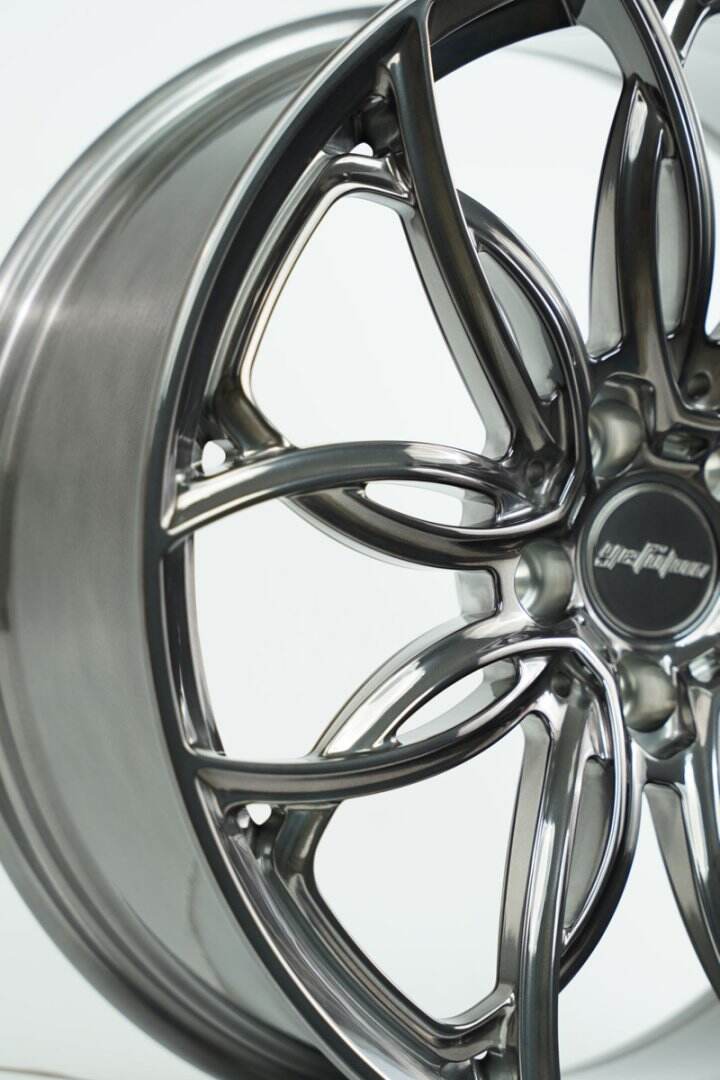
The Evolution and Cultural Impact of Custom Wheels
How Custom Wheels Became a Symbol of Automotive Identity
Back in the 1950s, alloy wheels were just about getting better performance out of cars. Now they've become something much bigger than that - almost like the ultimate form of automotive expression. Hot rodders back then wanted them for speed, sure, but fast forward to the 90s and people started seeing custom rims as both a sign of mechanical skill and personal flair. The latest numbers from SEMA show this trend is huge these days. Around three out of four car fans actually care more about custom wheels than engine tweaks when showing off their ride. Wheels aren't just parts anymore; they're basically how drivers put their stamp on their vehicles. Cars have gone from being mere transportation to rolling statements about who drives them.
The Psychology of Personal Expression Through Custom Wheels
There's something about custom wheels that taps into our inner desire to stand apart yet still belong. Car lovers tend to pick designs that match who they are inside. Someone with a wild side might go for those aggressive split spoke rims, while the minimalist types usually opt for sleek monoblock styles without all the extra flair. Studies have found around 63 percent of folks actually see their wheel choices as part of their identity, blending practicality with creative expression. The little things matter too. A matte finish here or a concave profile there can create powerful emotional ties between driver and machine. At the end of the day, these aren't just metal discs bolted onto cars. They tell stories about the people behind the wheel.
Influencer Builds and the Rise of Wheel-Centric Car Culture
The popularity of custom wheels has really taken off thanks to social media platforms. People on YouTube and Instagram spend hours designing cars specifically for those eye-catching rims. Take #WheelWednesday for instance, this hashtag gets around 2 million interactions every month. Just look at that one crazy wheel swap video from last year that hit 12 million views overnight. Talk about making an impact! A fresh set of rims can totally change how a car looks and feels. Online groups centered around wheels have grown super intense too. Folks get all worked up discussing details like spoke numbers, lip depth measurements, and offset specs. Sometimes it's like watching art historians argue over Van Gogh versus Picasso but with alloy wheels instead.
Design Aesthetics: Finishes, Colors, and Rim Styles That Stand Out
Bold Finishes: Chameleon Coatings, Matte, and Satin Wheel Surfaces
Custom wheels today come with finishes so good they almost look like pieces of art rather than just car parts. Some have chameleon coatings that actually change colors depending on how the light hits them, giving off this cool liquid metal effect. Matte black is still going strong because it looks super sleek and stealthy, but there's also satin finish options for those who want something not quite as shiny but definitely better than flat. The latest paint tech means these fancy finishes can stand up against road grime and sun damage without fading or dulling over time. Makes sense why so many drivers go for them when they want something both attention grabbing and built to last through all kinds of weather.
Two-Tone Accents and Custom Color Matching for Visual Impact
The days of just chrome and black two tone wheels are long gone. These days people really get creative with colors, matching their rims to the car's actual paint job or even coordinating with interior accents for that complete look. Something we're seeing more often lately is when folks contrast different parts of the wheel itself. Take for instance someone who might put a brushed bronze finish on the barrel area but go with something darker like gunmetal gray for the spokes. This kind of multi layer effect makes wheels stand out even more, particularly on those fancy split spoke designs or deep dish styles. And honestly, there's nothing quite like watching these wheels catch light while driving down the road at night.
Multi-Spoke, Split-Spoke, and Deep Dish Designs: Form Meets Attitude
The design of wheel rims tells us a lot about what kind of car we're looking at. Wheels with lots of spokes between 10 and 20 usually mean someone wanted to show off some serious engineering skills. Split spoke designs catch sunlight in interesting ways, creating those flashy effects people love so much. Then there are those deep dish rims straight out of old school hot rods from decades ago. They stick out dramatically, making those fancy brake calipers and suspension parts look even cooler. Today's concave wheels mix all these styles together. Car makers pack them with aggressive offset angles and lightweight materials because nobody wants to sacrifice looks just to save fuel or improve handling anymore.
Advanced Engineering: Materials and Manufacturing Innovations in Custom Wheels
From Forged Aluminum to Carbon Fiber: Lightweight Strength and Performance
Today's custom wheels make use of some pretty impressive materials that improve their looks as well as how they perform. Forged aluminum is still considered the gold standard in this space, cutting down on weight by around 23% while boosting tensile strength by about 34% compared to regular cast alloys according to a report from Motorsport Engineering in 2024. When it comes to pushing boundaries even further, we see carbon fiber composites making waves. Some prototype racing wheels built with these materials clock in at just 6.8 kilograms, which makes them roughly 42% lighter than what we get with aluminum versions. The catch? These super light options come with a hefty price tag of over $3,200 per wheel, so they tend to stay within reach only for those really serious about performance or deep pockets.
3D-Forged Technology and Precision Customization Techniques
The new 3D forging technique allows wheel makers to create spoke designs that simply weren't possible before with old school methods. When they heat up aluminum and smash it between these massive 12,000 ton presses, then machine it down to almost hair-thin precision (around 0.02 millimeters), what comes out has amazing strength and intricate details. Some recent research from late 2025 showed these wheels can boost side-to-side stiffness by about 18 percent compared to regular ones. That makes all the difference on race tracks and when doing drifts, since drivers need that instant response from their wheels without any lag or flex.
Evaluating Exotic Materials: Performance Gains vs. Practical Trade-Offs
Compared to aluminum, magnesium wheels cut down weight by around 15%, which is pretty impressive. However, they just don't hold up well against impacts and need about $900 each year for rust protection according to that 2023 Automotive Materials Study we all saw floating around. This makes them less practical for everyday driving situations. Some companies are starting to experiment with hybrid designs where resins get infused into the metal matrix. These new approaches seem to strike a better balance between being light enough while still holding up under normal wear and tear. Interesting development too with recycled aerospace grade aluminum hitting the market recently. The stuff performs just as good as regular aluminum but costs about 22% less according to Auto Innovators report from last year. This looks like it could be a real game changer for manufacturers wanting to produce lighter wheels without breaking the bank or harming the environment.
Smart Features and Lighting: Adding Dynamic Flair with LED Wheel Integration
RGB LED Wheels: The Rise of Programmable, Light-Embedded Rims
The addition of RGB LEDs to wheels has really changed how people customize their rides these days. Now folks can get all sorts of animated effects and matching colors right from their wheel rims themselves. The LED strips used are pretty tough too, able to bend without breaking, so they fit nicely inside the spokes or run along the outside edges of wheels. Most modern setups let drivers control everything through their phones or even the car's own entertainment system. According to data presented at the SEMA Show, installs of these fancy LED wheels jumped about 210% from 2020 to 2023. People just want something more exciting than regular paint jobs anymore, looking for ways to make their cars stand out with movement and changing colors instead of staying static all the time.
Balancing Style and Safety with Illuminated Wheel Designs
LED wheel lights definitely make cars stand out at night, but getting them right means following local safety rules. Most top manufacturers go with diffused LED setups below 500 lumens so drivers aren't blinded by harsh glare, which actually satisfies those tricky DOT and ECE regulations. The latest models from 2024 are starting to incorporate smart features too. Some have motion sensors that automatically lower the brightness when speed goes over 15 miles per hour. This way, people can still enjoy their flashy lighting effects without creating dangerous situations on the road. After all, nobody wants to look cool if it ends up causing an accident.
Case Study: Show Cars and Night Builds Using LED Effects for Maximum Impact
The 2023 Tokyo Auto Salon saw something pretty cool when a prototype SUV showed up with these LED wheels that changed colors to match its body wrap. People went wild for it online too, getting about 47% more social media attention compared to regular cars without lights. When drivers hit the gas, the pressure sensitive LEDs would shift from blue to red, creating this awesome visual effect as the car sped up. This kind of interactive lighting really grabs people's attention and makes them feel more connected to the vehicle emotionally, which explains why so many folks were talking about it after seeing it at the show.
Choosing the Right Custom Wheels: Aligning Style, Performance, and Value
Optimizing Vehicle Performance with Proper Wheel and Tire Pairing
Choosing custom wheels means balancing look and function. Pairing lightweight forged wheels with low-profile tires can reduce unsprung mass by 18%, enhancing acceleration and braking (Automotive Dynamics Review 2023). However, mismatched setups—like oversized rims with ultra-thin sidewalls—can increase road noise by 12 dB and diminish ride quality. Key factors include:
- Matching tire load index to wheel strength ratings
- Adjusting aspect ratio to keep overall diameter within 3% of OEM specs
- Using hub-centric designs to eliminate vibration at highway speeds
The Bigger-Wheel Dilemma: Aesthetic Appeal vs. Ride Comfort and Efficiency
The number of cars rolling on 20 inch wheels and bigger has gone up by around 22% since 2021, even though there are definitely some downsides to consider. Sure, those massive 24 inch rims still rule the car shows, but everyday folks who drive on 19 inch wheels actually seem happier overall when they hit the road in all sorts of weather according to Consumer Automotive Reports from last year. Getting that right mix between weight and size matters a lot these days. Carbon fiber can help make up for the extra heft that comes with bigger wheels, but let's face it, the price tag goes way up too. Most people find that somewhere in the middle works best for them. Not too big, not too small something that looks good without costing an arm and a leg or making their car handle like a tank.
Strategic Selection: Fit, Function, Budget, and Long-Term Value
A three-year ownership study by Wheels Industry Analytics found premium forged wheels retain 68% of their value, compared to 43% for cast alternatives. To maximize return, select manufacturers offering:
- JWL/VIA certification for structural reliability
- Minimum 5-year finish warranties against corrosion
- Modular designs that allow barrel or face replacement
Recent fitment research shows 72% of alignment issues stem from incorrect offset, highlighting the importance of professional guidance. Allocating 25–30% of your budget for precision mounting and road-force balancing ensures long-term performance and value.
FAQ
What are custom wheels?
Custom wheels are specially designed rims that can be personalized in terms of aesthetics and performance, allowing car owners to express their personal style and enhance vehicle function.
Why are custom wheels popular?
Custom wheels are popular due to the customization options they offer, allowing car enthusiasts to personalize their vehicles, improve performance, and show off their unique style.
Do custom wheels affect car performance?
Yes, custom wheels can affect car performance. Lightweight designs can enhance acceleration and braking, while the wrong combination of tire and wheel can increase road noise and reduce ride comfort.
What materials are commonly used in custom wheels?
Common materials used in custom wheels include forged aluminum, carbon fiber composites, and magnesium, each offering different benefits in terms of weight, durability, and strength.
Are LED wheel lights safe?
LED wheel lights can be safe if installed and used according to regulations. Manufacturers ensure diffused lights below certain lumen levels to avoid glare, while smart features can adjust brightness based on speed.
Table of Contents
- The Evolution and Cultural Impact of Custom Wheels
- Design Aesthetics: Finishes, Colors, and Rim Styles That Stand Out
- Advanced Engineering: Materials and Manufacturing Innovations in Custom Wheels
- Smart Features and Lighting: Adding Dynamic Flair with LED Wheel Integration
- Choosing the Right Custom Wheels: Aligning Style, Performance, and Value
- FAQ