
 EN
EN



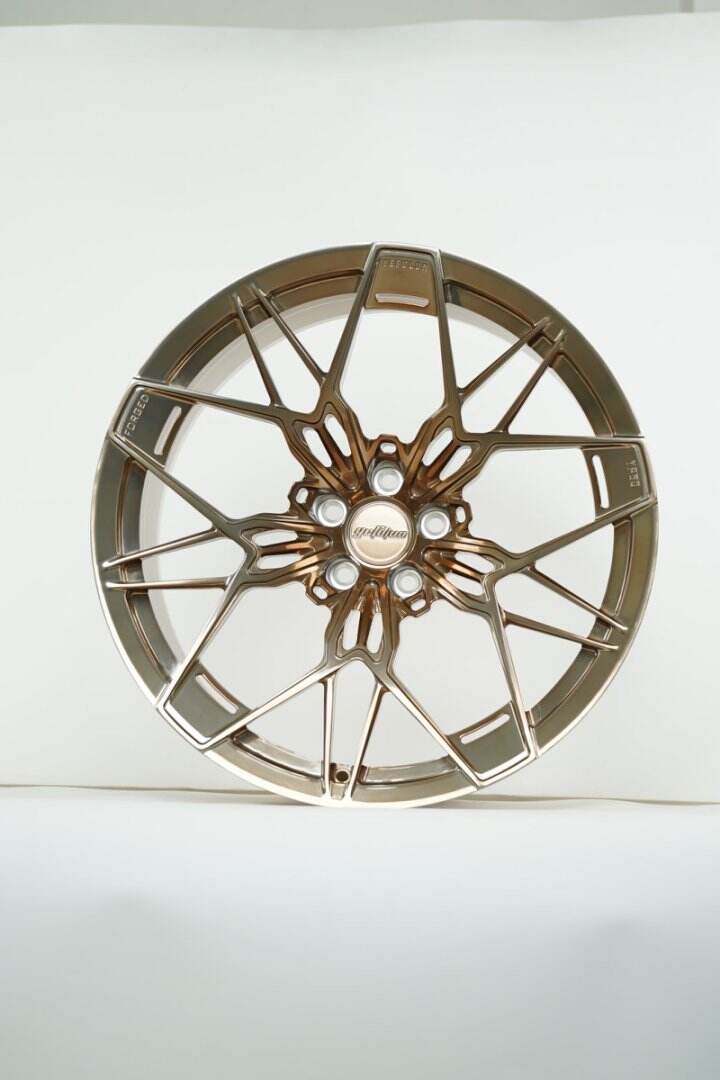
Engineering Superiority: How 3 Piece Wheels Achieve Unmatched Modularity and Strength
Monoblock vs. 3 Piece Wheels: Why Bolted Construction Enables Precision Tuning
Three piece wheels work differently compared to those single piece monoblock designs we see so often. They're built using bolts to connect the central part with the outer sections. What makes this interesting is how it lets mechanics tweak things specifically for different car setups. Want to change the wheel's position? No problem. Need wider or narrower dimensions? Just adjust accordingly without having to throw away whole wheel sets when something gets damaged. Racing crews love this because if one section breaks during practice sessions, they can swap out just that part within around 90 minutes instead of dealing with expensive replacements. Plus, all those separate pieces help spread out the forces acting on the wheel when going through tight corners at high speeds. According to tests run by SCCA, these bolt connections hold up really well too. After thousands of stress tests, they still retain almost all their original tightness, which speaks volumes about how dependable they are when pushed hard on race tracks.
Material Optimization: Forged Aluminum Centers + CNC-Machined Outer Rings
Three piece wheel designs pair forged 6061-T6 aluminum cores with outer rings made through CNC machining, which helps get that sweet spot between strength and weight. When metal gets forged instead of cast, the grain structure lines up in a way that makes these parts about 30% more resistant to fatigue over time according to some recent materials research from SAE in 2023. Plus, those CNC machines work so precisely that barrel runouts stay well within 0.2mm tolerances. What makes this combination interesting is how it cuts down on overall weight without compromising critical areas where impacts happen most often. Outer ring sections can actually be manufactured with thinner material gauges since they don't bear as much stress during normal operation.
| Component | Manufacturing Method | Key Advantage | Stress Tolerance Increase |
|---|---|---|---|
| Center Disc | Forged Aluminum | Directional grain alignment | 34% vs. cast |
| Outer Barrel | CNC Machined | ±0.05mm dimensional accuracy | 28% vs. spun-formed |
Sealed interfaces with aerospace-grade hardware prevent corrosion while maintaining structural integrity across thermal cycles. This optimization delivers 19% weight reduction over monoblocks in comparable sizes.
Customization and Serviceability: Core Advantages of 3 Piece Wheels
Chassis-Specific Fitment: Adjustable Offset, Width, and Diameter Without Re-Engineering
Three piece wheels have this modular design that gives folks incredible flexibility when fitting them to different cars. Want to tweak offset, width or diameter? No problem really, just make the necessary adjustments without spending big bucks on complete redesigns. Monoblock wheels are totally different story though they need entirely new molds whenever dimensions change. With three piece construction, the center part stays separate from those outer barrels. Engineers love this because they can basically swap out parts like barrel widths or center discs to get exactly what fits each particular chassis. Race teams take full advantage of this all the time. They'll pair 9 inch front barrels with much bigger 12 inch ones at the back, sharing the same centers across both sides. This saves manufacturers around $15k in tooling costs for every new size they want to produce, plus production wait times drop dramatically from weeks down to just days. Street car enthusiasts benefit too. When someone wants their ride to sit lower, they can gradually increase visual aggression simply by swapping out different lip profiles without having to replace whole wheels.
Trackside Repairability: Real-World Case Study – Rebuilding a $42K GT3 Wheel in Under 90 Minutes
When a GT3 race car cracked its outer barrel during qualifying, the modular design enabled remarkable trackside recovery. Crews replaced the damaged aluminum hoop section in 87 minutes using standard tools—avoiding $42k replacement costs and maintaining grid position. This efficiency stems from the bolted-joint construction:
- Component isolation: Only the bent barrel needed replacement, preserving the forged center and inner barrel
- Standardized hardware: Titanium fasteners allowed disassembly/reassembly without specialized equipment
-
No resealing required: Integrated O-rings maintained air-tight integrity during reassembly
Professional racing outfits report 92% of wheel damage incidents only affect outer components, making serviceability critical for cost containment. The average rebuild costs 73% less than full replacements while maintaining original strength ratings—validated through SCCA impact testing protocols.
Premium Positioning: What Justifies the Higher Cost of 3 Piece Wheels?
Three piece forged wheels typically cost anywhere from double to five times what mass produced ones go for, but there's actually good reason behind that price gap. What makes them special is how they're built - these wheels have aircraft grade forged aluminum centers paired with those fancy CNC machined outer parts. This setup lets manufacturers get creative with how materials are distributed throughout the wheel, creating strength to weight ratios that just cant happen with regular one piece designs. When something happens to a single piece wheel, most times it needs full replacement. But with these three piece models, mechanics can fix specific damaged parts instead. Need to straighten out a bent rim? The whole process takes around 90 minutes max, rather than throwing away the whole wheel. For racers or anyone who regularly pushes their vehicles to limits, this kind of repair flexibility turns what seems like a big upfront investment into real money saved over time as accidents inevitably occur.
What makes these wheels stand out goes way beyond just lasting longer. They let owners tweak things down to the last millimeter for their specific car setup something regular store bought wheels just cant match. People can adjust offset measurements, wheel widths, and even diameters while keeping everything structurally sound. This kind of fine tuning really makes a difference in how the car looks on the road and how it handles corners and turns. Looking at the price tag which typically ranges from four thousand to eight thousand dollars per set might seem steep at first glance. But when we break it down there are real advantages here. Lighter wheels mean better acceleration and stopping power. The look gets personalized too making each vehicle unique. And since these wheels tend to last five years or more they actually work out cheaper in the long run when calculating cost per mile driven. Car fanatics who want their ride to perform exactly how they envision it will find three piece wheels offer something no other option can beat when building their dream setup.
Performance Trade-Offs: Weight, Durability, and Long-Term Maintenance of 3 Piece Wheels
Weight Savings vs. Joint Fatigue: SCCA Time Trial Stress Test Data (2023)
SCCA 2023 stress tests reveal a critical paradox: while three-piece wheels reduce rotational mass by 18% versus monoblocks—enhancing acceleration and braking—their bolted joints show 34% higher fatigue rates after 50 track hours. Lighter barrels improve lap times, but modular connections require meticulous torque checks between sessions to prevent microfractures.
Torque Retention, Seal Integrity, and Anodizing Lifespan Over 5+ Years of Use
Extended ownership demands rigorous maintenance protocols:
- Hardware integrity: 25% of wheels exhibit torque loss exceeding spec after 3 years, necessitating bi-annual re-tensioning
- Seal degradation: Road salt exposure causes 80% of silicone gaskets to fail before the 5-year mark
- Anodizing durability: Premium finishes retain 90% UV resistance through year 7, but acid cleaners accelerate pitting
Proactive inspection cycles every 6 months mitigate these failure points, preserving structural safety and aesthetics.
FAQ
What makes 3 piece wheels modular?
3 piece wheels are modular because they consist of separate components – the central part and the outer sections – connected by bolts. This allows for easy adjustment and replacement of damaged parts without needing to replace the entire wheel.
Why are 3 piece wheels more expensive?
3 piece wheels are more expensive due to their construction using aircraft grade forged aluminum centers and CNC machined outer parts. This results in superior strength-to-weight ratios and customizable features.
How does the repairability of 3 piece wheels benefit users?
The repairability of 3 piece wheels offers significant cost savings by enabling the replacement of only damaged components rather than whole wheels, reducing downtime and maintaining performance.
What performance advantages do 3 piece wheels offer?
3 piece wheels provide enhanced vehicle performance through reduced weight, improved acceleration, and precise customization of the wheel's setup to fit specific car requirements.
Table of Contents
- Engineering Superiority: How 3 Piece Wheels Achieve Unmatched Modularity and Strength
- Customization and Serviceability: Core Advantages of 3 Piece Wheels
- Premium Positioning: What Justifies the Higher Cost of 3 Piece Wheels?
- Performance Trade-Offs: Weight, Durability, and Long-Term Maintenance of 3 Piece Wheels
- FAQ