
 EN
EN



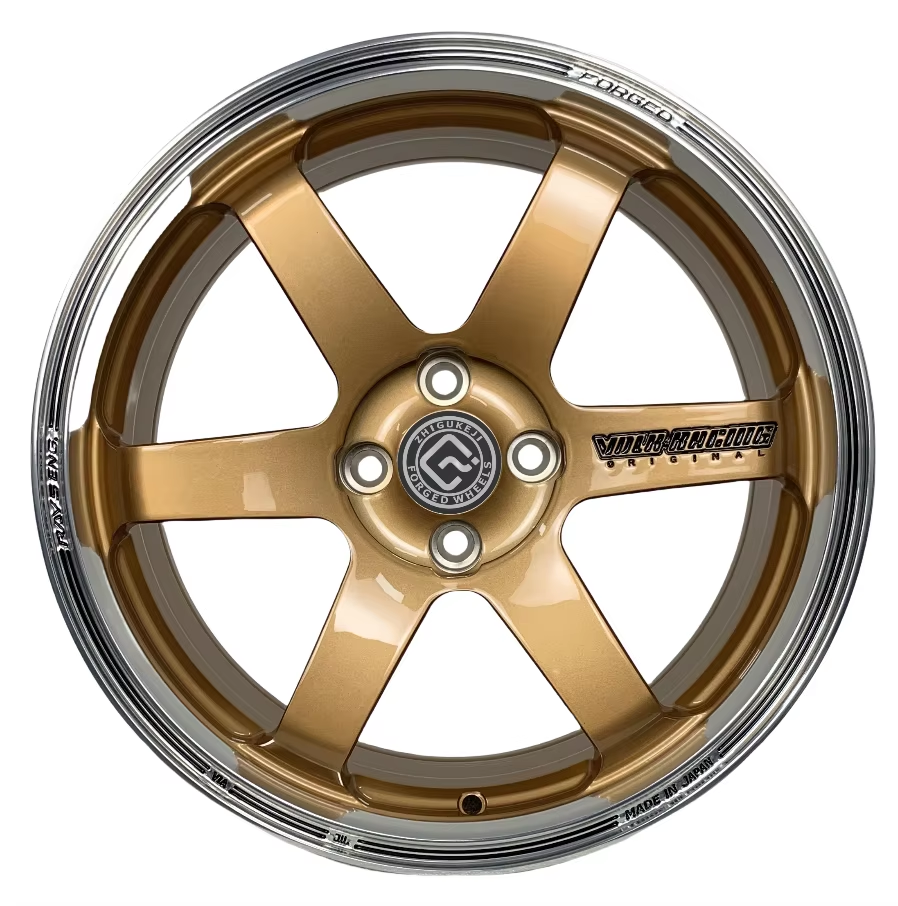
Unsprung Weight Reduction and Its Direct Impact on Acceleration
The physics of unsprung mass: why wheel weight disproportionately affects drivetrain response
What's considered unsprung mass? Basically anything hanging off the car that isn't held up by the suspension system itself – think wheels, tires, brakes, those kinds of parts. Cutting down on this kind of weight makes a big difference when it comes to how fast a vehicle can accelerate, and there are actually two main reasons why this happens. Lighter wheels mean they don't need as much force to get them spinning around, so power from the engine gets transferred to the road surface quicker. Plus, when there's less weight on these components, the suspension can bounce back faster after hitting bumps in the road. This keeps the tires planted better and stops wheels from bouncing loose when someone floors it. The math doesn't lie either. Take away one kilogram from somewhere inside the car like the bodywork or frame, and performance improves just a little bit. But cut that same amount from unsprung components? Performance jumps anywhere between three to five times more because both factors work together at once – less resistance when spinning wheels plus better grip when accelerating hard.
Quantifying gains: how 1 kg reduction in racing wheels improves 0–60 mph by 0.02–0.03 s (SAE-validated)
Tests validated by SAE standards show that cutting just 1 kg off each racing wheel can boost 0-60 mph acceleration times by around 0.02 to 0.03 seconds. This happens because rotational inertia drops about 27%. When we look at regular cars too, taking 4 kg off total wheel weight (that's 1 kg multiplied by four wheels) actually makes a difference of about 0.08 to 0.12 seconds faster acceleration. What matters most is how these benefits keep growing over time. Wheels with less mass generate less heat in the drivetrain parts, so the car stays responsive even after multiple laps on the track. For anyone serious about racing, where victory often comes down to fractions of a second, these small improvements aren't just nice to have. They literally determine who wins and who doesn't.
| Performance Factor | Standard Wheels | Lightweight Racing Wheels | Improvement |
|---|---|---|---|
| Rotational Inertia | High | Low (− 27%) | Faster acceleration |
| Suspension Response | Slower reaction | 25% faster damping | Better traction |
| 0-60 mph Time | Baseline | − 0.02–0.03s per kg | Competitive edge |
Lower Rotational Inertia: Enhancing Braking Efficiency and Responsiveness
Kinetic energy reduction in rotating mass: less heat, faster deceleration, and improved pad life
The amount of kinetic energy stored in a wheel when it's moving depends largely on rotational inertia. When we talk about lightweight racing wheels, they cut down on this inertia by around 27 percent or so, which means less heat builds up in the braking system over time. According to tests done by SAE standards, brake discs actually run about fifteen degrees cooler during those repeated hard stops that racers face all the time. And let's be honest, keeping brakes from overheating makes a real difference in how well they perform throughout a race.
- Faster deceleration: Brake calipers achieve full clamping force approximately 0.1 seconds sooner
- Extended pad life: Lower operating temperatures reduce abrasive wear, increasing pad longevity by ~20%
- Consistent performance: Delayed onset of brake fade preserves friction coefficients during endurance driving
Real-world braking metrics: stopping distance improvements with lightweight racing wheels under repeated load
Quantitative SAE International testing (2023) demonstrates how reduced rotational inertia delivers progressive braking advantages—especially under thermal stress:
| Braking Metric | Initial Stop (60–0 mph) | After 10 Consecutive Stops |
|---|---|---|
| Stopping Distance | 1.2 m shorter | 2.1 m shorter |
| Peak Disc Temperature | 40°C lower | 85°C lower |
| Pedal Force Required | 12% less | 18% less |
The widening gap between standard and lightweight wheels after repeated stops highlights how rotational mass reduction preserves hydraulic efficiency and thermal integrity—enabling shorter, more predictable stops even when conventional systems begin to degrade.
Material and Construction Trade-offs in High-Performance Racing Wheels
Forged, flow-formed, and cast aluminum: comparing rotational inertia, stiffness, and durability for track use
Aluminum wheels made through forging provide excellent strength relative to their weight, cutting down on rotational mass somewhere around 15-20% compared to regular cast wheels. They also handle side forces better and resist damage from impacts. When manufacturers forge these wheels, they basically squash aluminum blocks using massive amounts of pressure. This process lines up the metal's internal structure so it can take those harsh curb hits during track days without cracking under repeated stress. There's another middle ground called flow formed wheels. These have cast centers but the barrel part gets stretched out mechanically, giving something close to forged quality without breaking the bank as much. Regular cast wheels still win when budget matters most, though they tend to spin heavier and wear out faster after lots of track time. For anyone really serious about performance driving, cast wheels just don't cut it anymore.
The stiffness-weight balance: when ultra-lightweight racing wheels compromise lateral rigidity and contact patch control
Cutting down on weight too much often leads to problems with side-to-side stiffness, which means wheels start to flex when going around corners. And that's bad news for steering control. Tires tend to squirm more at the contact point with the road surface, making grip less predictable and adding precious seconds off lap times. Smart companies know this and focus their reinforcement efforts where it matters most rather than just chasing the lightest possible wheel. They beef up areas like where spokes connect to rims, along the barrel shape of the wheel itself, and those important hub flange sections. When building wheels specifically for racing conditions, most experts aim for something between 10 and 12 kilograms. That sweet spot gives drivers better responsiveness during acceleration and braking without sacrificing the structural integrity needed for accurate handling characteristics and reliable tire performance throughout a race.
Racing Wheel Design Features That Optimize Wheel–Tire Interface Dynamics
Racing wheels with optimized barrel shapes and specially designed bead seats fit snugly against tire sidewalls, which helps spread out pressure across the contact patch when accelerating, braking, or taking corners. Some modern wheels also include built-in channels that help dissipate heat away from the tire surface. This keeps the rubber at just the right temperature for maximum grip, even after repeated hard stops. All these engineering tweaks work together to improve handling response, stability under load, and overall tire performance on track.
- Pressure distribution: Flatter, more uniform contact geometry improves longitudinal and lateral force transmission
- Thermal management: Reduced heat soak preserves tire carcass integrity and compound adhesion
- Bead retention: Reinforced locking mechanisms prevent tire slip under extreme lateral and vertical loads
By engineering wheels as active contributors—not passive mounts—to the tire interface, manufacturers enable measurable improvements in stability during weight transfer, turn-in sharpness, and exit traction.
FAQ
What is unsprung weight reduction?
Unsprung weight reduction refers to minimizing the mass of components that hang below the suspension of a car, such as wheels, tires, and brakes, which improves acceleration and performance.
How does unsprung weight affect acceleration?
Lighter wheels require less force to spin and allow power from the engine to transfer to the road more quickly, improving acceleration.
Why do lightweight racing wheels enhance braking performance?
Lightweight wheels reduce rotational inertia, which lowers heat buildup, improves deceleration, and extends brake pad life.