
 EN
EN



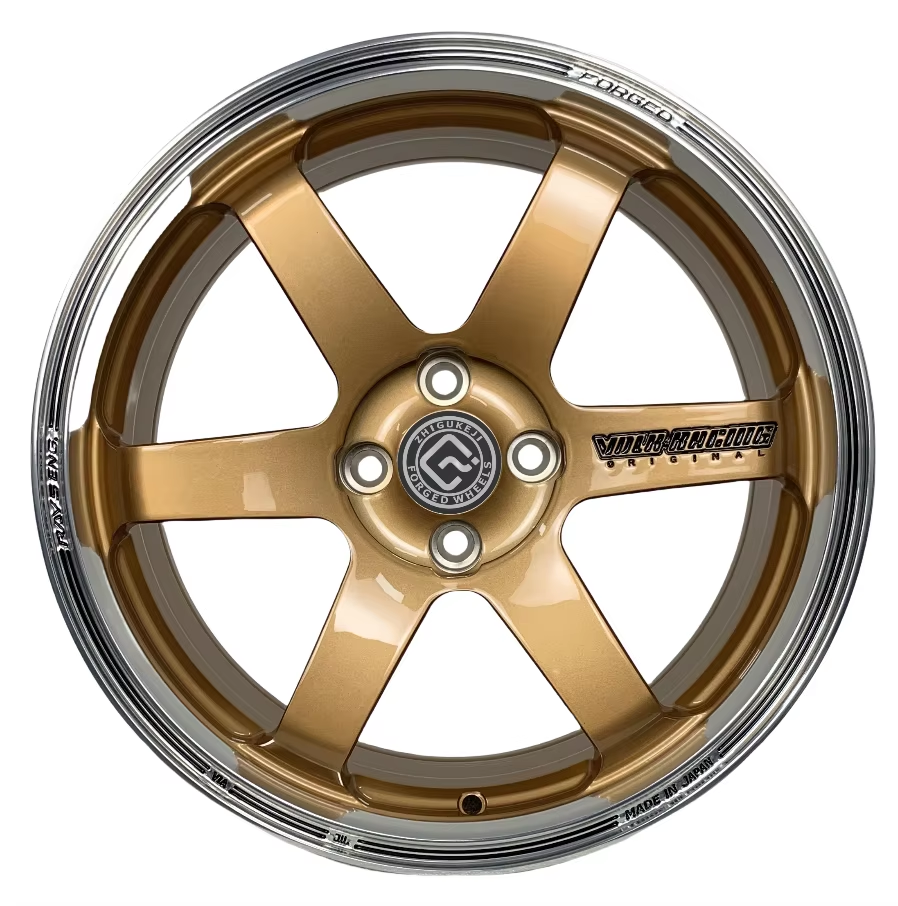
What Are Custom Offset Wheels and Why Do They Matter for OEM & Aftermarket Applications?
When custom wheels have different offset measurements, they basically shift where the wheel sits in relation to the car's centerline, which creates that overhang look many drivers want. The offset number matters a lot because it affects how the car handles, whether there's enough space between the brakes and everything else, and even changes how the suspension works. Car companies really care about getting this right since proper offset keeps vehicles stable and makes sure tires wear evenly over time something that protects both customer satisfaction and manufacturer warranties. Getting it wrong costs businesses big money too. A recent study found fleets spend around $740,000 extra each year on maintenance when wheels aren't properly fitted (Ponemon Institute 2023). So while some might think offset is just about looks, it actually plays a fundamental role in keeping people safe and controlling expenses. People who buy aftermarket wheels often adjust offset for specific reasons. Positive offsets move the wheel closer to the road surface, which helps commercial vans last longer before needing new tires. Negative offsets push the wheel outward toward the suspension components, making off-road trucks sit wider and grip better on rough trails. But manufacturers face challenges here too. They need to meet all sorts of regulations across different regions, and even small mistakes with offset specs can lead to warranty problems or get them in trouble with regulators.
How Wheel Offset Impacts Vehicle Dynamics, Clearance, and Suspension Integration
The wheel offset refers to how far the mounting surface sits from the center of the wheel, and it plays a big role in where tires actually sit compared to the suspension parts and bodywork. Since these measurements are given in millimeters, getting them right matters a lot for how weight gets distributed through the hubs and bearings. When commercial truck operators get this wrong, their suspension joints tend to wear out much faster – studies show around 42% more wear according to SAE research last year. Specialty vehicles suffer different problems though, mainly worse handling when corners are taken because the roll center shifts unexpectedly. Getting wheel offsets correct isn't just about numbers on paper; it affects real world performance and longevity of expensive components.
Positive vs. Negative Offset: Functional Differences for Commercial and Specialty Vehicles
Positive offset positions wheels inward, enhancing high-speed stability for delivery vans and buses by reducing scrub radius. Negative offset pushes wheels outward, widening the track for off-road construction vehicles to prevent rollovers on uneven terrain. Each approach demands trade-offs:
- Positive Offset: Mitigates fender contact but risks inner clearance against steering linkages
- Negative Offset: Improves obstacle clearance yet increases stress on wheel bearings by up to 30%
Clearance Risks: Fender Rub, Brake Caliper Interference, and Hub-Centric Alignment
Mismatched offset triggers three critical failure modes in heavy-duty applications:
- Fender Rub: Aggressive negative offset causes tire contact with bodywork during payload shifts or cornering, slicing tire sidewalls
- Brake Caliper Interference: Positive offset variants risk fouling high-performance brake systems, particularly in refuse trucks requiring frequent stops
- Hub-Centric Misalignment: Deviations beyond ±3mm from OEM specifications induce vibration, accelerating bearing fatigue and warranting premature replacements
Ignoring hub-centric tolerance standards causes 17% of wheel-related warranty claims in fleet operations (NHTSA 2024).
Key Specifications Buyers Must Verify Before Sourcing Custom Offset Wheels
Bolt Pattern, Center Bore, Load Rating, and Material Certification (e.g., JWL, VIA, ISO)
Getting the bolt pattern right is essential for making sure wheels fit properly on hubs, which helps prevent annoying vibrations and worst case scenarios where wheels might actually come loose. The center bore needs to match what the car manufacturer designed it for so the wheel sits correctly on the hub. This simple alignment makes a big difference when turning corners because it spreads out the forces more evenly across the wheel assembly. When looking at load ratings, remember they're basically calculated from how much weight each axle has to carry. Most experts recommend going with something that can handle about 15% more than what's needed just to be safe, especially since cargo loads tend to vary quite a bit between trips. Certifications matter too. Standards such as JWL from Japan or VIA certification go beyond basic specs by subjecting wheels to actual impact tests. And then there's ISO 9001 quality control standards that ensure consistent manufacturing throughout production runs. Commercial truck operators have seen their problems drop significantly after implementing these standards, with failure rates falling around 38% according to recent industry reports from ISO.
Tolerance Standards and QA Protocols for High-Volume B2B Fulfillment
Statistical process control needs to be put into place with dimensional tolerances around ±0.25mm throughout production runs so we don't end up with those annoying fitment issues when fulfilling large orders. Quality assurance teams really need to get their hands on coordinate measuring machines for proper 3D profiling work, plus run those rotational fatigue tests that simulate about half a million load cycles. Keeping track of each batch through serialized documentation isn't just good practice it's essential for being ready if recalls ever become necessary, something that aligns perfectly with TIS 2600-2560 standards and plenty others too. When dealing with big volume purchases, make sure suppliers can show they consistently hit over 98% first pass yields because anything less than that tends to create serious headaches further down the assembly line.
Key Specifications Checklist
| Parameter | Critical Tolerance | Verification Method |
|---|---|---|
| Bolt Pattern | ±0.1mm | Optical comparator |
| Load Rating | +15% minimum | Dynamic pressure test |
| Runout Tolerance | ±0.3mm | Dial indicator at 3 planes |
| Material Hardness | HRB 75-85 | Brinell testing |
Compliance, Certification, and Documentation Requirements for Global Distribution
DOT, ECE R15, GCC, and ANCAP Regulatory Alignment for Custom Offset Wheels
Getting custom offset wheels out there worldwide means following all sorts of regional safety rules. Think about US DOT requirements, the European ECE R15 certification process, what the GCC countries need, plus Australia's ANCAP standards too. Every batch coming off the production line needs checking at certified labs to make sure they hold up when put under real world stress conditions and can withstand impacts without failing. Companies that skip these steps face serious problems down the road. Customs authorities might seize shipments, product recalls typically cost around 740 thousand dollars each according to Ponemon Institute research from last year, not to mention potential lawsuits if someone gets hurt because a wheel failed unexpectedly on the road somewhere.
| Critical Compliance Factor | Regional Impact |
|---|---|
| Documentation Traceability | Mandatory for customs clearance in 92% of markets |
| Localized Certification | Required in EU/GCC even with existing testing |
B2B buyers should verify these four elements before procurement:
- Test reports confirming material hardness (Brinell scale) and fatigue resistance
- Full documentation chains from raw materials to final assembly
- Region-specific certification marks (e.g., E-mark for Europe)
- Load rating validation for target vehicle applications
Since regulatory requirements diverge across markets – such as GCC’s mandatory 2,000-hour salt spray testing versus DOT’s dynamic cornering stress tests – businesses must allocate 8–12 weeks for country-specific approvals. Failure to maintain audit-ready documentation accounts for 34% of border rejection cases for automotive components.
FAQ
What is offset in custom wheels?
Offset refers to how far the mounting surface is positioned from the wheel centerline, which can affect handling, clearance, and suspension dynamics.
How does offset impact vehicle dynamics?
It influences tire positioning relative to suspension and bodywork, affecting weight distribution and handling performance.
Why do manufacturers care about offset?
Proper offset ensures vehicle stability, tire longevity, and compliance with safety regulations, mitigating warranty issues and operational costs.
Table of Contents
- What Are Custom Offset Wheels and Why Do They Matter for OEM & Aftermarket Applications?
- How Wheel Offset Impacts Vehicle Dynamics, Clearance, and Suspension Integration
- Key Specifications Buyers Must Verify Before Sourcing Custom Offset Wheels
- Compliance, Certification, and Documentation Requirements for Global Distribution
- FAQ