
 EN
EN



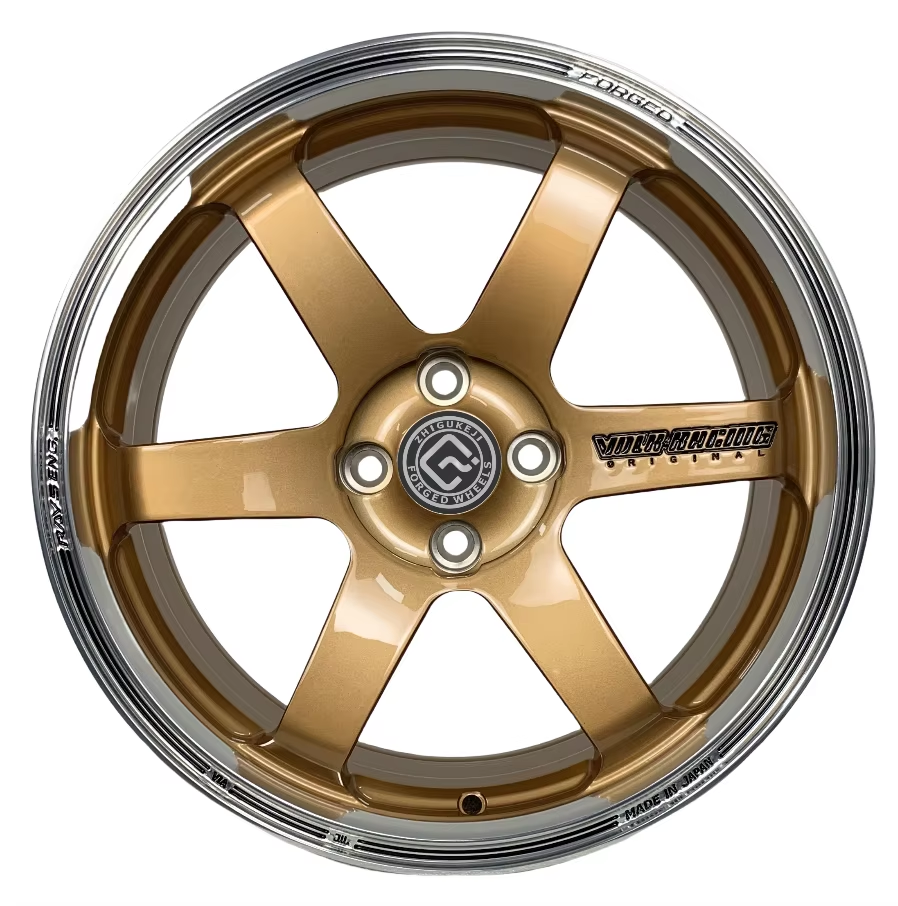
Aerodynamic Fundamentals: How Spoke Geometry Affects Drag in Performance Wheels
Turbulence at the Spoke–Rim Junction Under Crosswinds
When crosswinds hit bicycle wheels, they create sudden airflow separation right where the spokes meet the rim. This generates swirling vortices that can boost aerodynamic drag as much as 18% when compared to wheels with smooth surfaces according to wind tunnel tests. If those junction points have rounded edges instead of sharp corners, the air flows better around them. The result? Much smoother transitions and about 40% less turbulent kinetic energy based on computer simulations versus traditional square profiles. For racers who often face crosswinds during competitions, getting the shape of these junctions just right makes a real difference. Optimized designs cut down on drag coefficients somewhere between 0.03 and 0.05, which might not sound like much but gives cyclists a tangible edge in races where every second counts.
Pressure Differential Asymmetry and Vortex Shedding in Rotating Spoke Arrays
When wheels spin around, their spokes generate alternating areas of high and low pressure, which leads to those annoying vortex shedding effects that cause pulsating drag. For regular wheels with 24 spokes, these vibrations happen between 80 to 120 times per second when going about 40 kilometers an hour, wasting roughly 15 to 25 watts of power in the process. The newer bladed spokes cut down on this shedding problem by about 30 percent because they have smoother shapes that keep airflow attached longer. But there's a tradeoff here too. Those thicker blade sections do increase rotational weight, making bikes harder to accelerate quickly off the line. Most designers now go for a tapered approach where the spoke gets thinner as it goes from the center out toward the rim, maintaining something like a 1 to 3 thickness ratio. This helps reduce turbulence behind the wheel while still keeping everything strong enough to handle real world riding conditions according to wind tunnel testing and computer simulations.
Bladed, Round, and Hybrid Spoke Profiles: Trade-Offs for Performance Wheels
Bladed Spokes: Yaw Stability Gains vs. Stiffness and Manufacturability Limits
In wind tunnel tests from the Aerodynamics Journal back in 2022, bladed spokes were shown to reduce drag by around 8% compared to traditional round ones. This happens because of their foil-like shape which basically stops those annoying vortices from forming when angles get past about 15 degrees off center. However there's a catch worth mentioning here. The blades are so thin that they actually make the wheel less stiff side to side, dropping lateral stiffness somewhere between 15 and 20 percent during hard pedaling efforts. Making these things is another story altogether. The manufacturing process needs really tight control, like keeping blade twists within half a degree either way. Most companies don't have access to the special carbon fiber molds required for this kind of precision work. So what's the bottom line? Cyclists who care more about maintaining top speeds on long stretches rather than explosive sprints will probably find the aerodynamic gains worth putting up with these compromises in stiffness and manufacturing complexity.
Hybrid Elliptical–Bladed Designs in UCI-Approved Performance Wheels
The hybrid spoke design merges elliptical base structures that boost strength at the hub area with blade sections that taper toward the rim. This combination creates a good balance between aerodynamics, durability, and meeting necessary regulations. Testing on UCI approved models shows these designs have about 12 percent less drag variation when facing different wind angles compared to traditional full-bladed wheels according to recent 2023 validation studies. They also comply with the UCI rulebook requirements for wheel dimensions, specifically the 2.5 to 1 width versus depth ratio specified in Article 1.3.018. What makes this architectural approach so effective is how it addresses multiple performance factors simultaneously without compromising any single aspect.
- 5–7% less rotational inertia than traditional bladed spokes
- 94% of the straight-line drag reduction achieved by full-bladed designs
- Full compliance with UCI safety standards on spoke deflection
| Spoke Type | Drag Reduction | Yaw Stability | Stiffness Retention | UCI Compliance |
|---|---|---|---|---|
| Round | Baseline | Moderate | High | Yes |
| Bladed | 8% | High | Low | Conditional* |
| Hybrid Elliptical | 6.5% | High | Medium-High | Yes |
| **Requires specific blade angle certifications |
Advanced Spoke Configurations: Y-Spokes, Multi-Spoke Systems, and Structural Efficiency
Optimizing Spoke Count and Branching Angle for Wake Coherence and Rotational Inertia
The design of asymmetric wheel structures such as Y-shaped spokes and multiple spoke systems helps cut down on rotational inertia because they place most of the weight closer to the center of the wheel. This makes for better acceleration while still keeping good side-to-side rigidity. However, when there are fewer spokes in these designs, it tends to create stronger vortices at higher angles of attack if the angles where the spokes branch off aren't just right. Testing in wind tunnels has found that when those branching angles fall somewhere between 25 degrees and 35 degrees, the air flows smoothly around the rim rather than breaking away too soon. The result is that the airflow stays attached longer along the back part of the wheel before finally separating at the very end.
| Spoke Configuration | Rotational Inertia Reduction | Drag Coefficient (Cd) at 15° Yaw |
|---|---|---|
| Traditional 24-spoke | Baseline | 0.255 |
| Y-spoke (8-arm) | 18% | 0.218 |
| Tri-spoke | 27% | 0.241 |
Source: Journal of Wind Engineering & Industrial Aerodynamics, 2023
While Y-spokes deliver the strongest drag reduction (averaging 12%), multi-spoke systems offer superior impact resistance. The optimal configuration merges minimal spoke count with geometrically precise branch points–validated via CFD–to maximize aerodynamic efficiency and real-world durability.
Validating Spoke Aerodynamics: Wind Tunnel and CFD Testing for Performance Wheels
Getting accurate results for spoke aerodynamics means combining real world wind tunnel tests with detailed computer simulations called CFD modeling. Wind tunnels actually measure how much resistance performance wheels face when exposed to real life crosswinds and side winds, showing all those complicated ways spokes, rims, and air interact together. Computer models then fill in the gaps by looking at pressure differences and swirling air patterns at very small scales. They spot where turbulence gets worst at the points where spokes meet rims, and figure out how changing spoke shapes affects the wake behind the wheel. Top bike component makers rely on both methods during product development cycles. They tweak designs faster while still keeping things strong enough for real riding conditions. The best companies get their computer models matching wind tunnel results within about 3 percent according to recent studies (Journal of Mechanical Engineering, 2023). This close match means any gains seen in the lab actually show up as reduced drag when cyclists hit the roads.
FAQ Section
- What is vortex shedding in rotating spoke arrays? Vortex shedding refers to the alternating areas of high and low pressure caused by the movement of spokes, which leads to pulsating drag and affects the wheel's aerodynamic performance.
- How do bladed spokes affect cycling performance? Bladed spokes reduce drag by creating smoother shapes that help maintain airflow attachment, resulting in higher yaw stability but a tradeoff with lower lateral stiffness.
- What are the benefits of hybrid elliptical-bladed spoke designs? Hybrid designs offer a balance of reduced drag variation, aerodynamic efficiency, and compliance with UCI safety standards, integrating elliptical and tapering blade sections.
- Why is wind tunnel testing crucial for spoke aerodynamics? Wind tunnel testing provides real-world data on resistance faced by performance wheels under different wind conditions, enabling accurate assessment and refinement of spoke designs.
- Are performance wheels with fewer spokes advantageous? Fewer spokes reduce rotational inertia, enhancing acceleration, but require precise branching angles to maintain smooth airflow and prevent strong vortices formation.
Table of Contents
- Aerodynamic Fundamentals: How Spoke Geometry Affects Drag in Performance Wheels
- Bladed, Round, and Hybrid Spoke Profiles: Trade-Offs for Performance Wheels
- Advanced Spoke Configurations: Y-Spokes, Multi-Spoke Systems, and Structural Efficiency
- Validating Spoke Aerodynamics: Wind Tunnel and CFD Testing for Performance Wheels