
 EN
EN



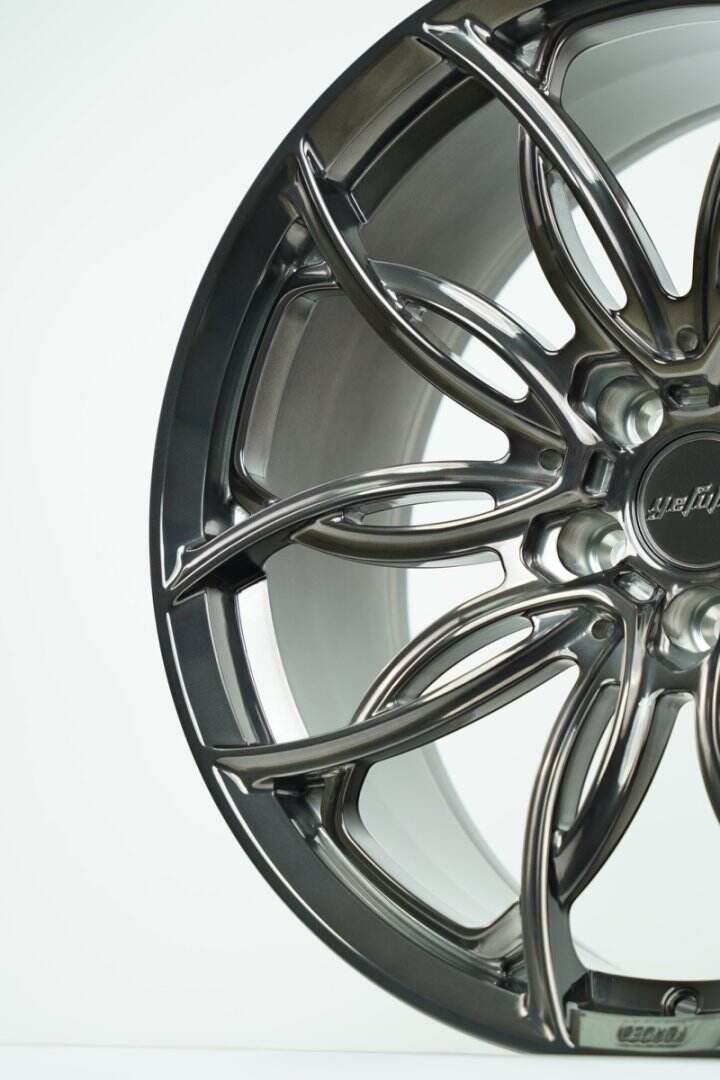
The Evolution of Racing Wheels: From Arcade to Direct Drive
How Racing Wheels Have Evolved to Meet Sim Racing Demands
The early days of arcade racing saw cabinets like Pole Position and OutRun equipped with pretty basic wheels that could only turn so far and gave absolutely no feedback at all. When sim racing started getting seriously realistic and competitive, game designers began moving away from those old fashioned, noisy gear driven systems toward something much better. They developed these advanced force feedback mechanisms that actually simulated things like tire slip and how suspension works when going around corners. Fast forward to today's market in 2023, and we're seeing some impressive numbers. Torque outputs have jumped from just 2 Newton meters in budget models right up to over 20 Newton meters in top shelf direct drive systems. This means players can now experience incredibly accurate simulations of what happens when they push their virtual cars through tight turns at high speeds.
The Rise of Direct Drive Wheelbases as the Superior Choice for Realism and Precision
Direct drive wheelbases eliminate belts or gears, reducing latency to under 2 ms and delivering unmatched torque precision. A 2024 sim hardware survey found that 78% of competitive racers upgraded to direct drive within 18 months of starting the hobby. These systems provide:
- Trueforce feedback integrating game audio vibrations such as engine RPMs and curb strikes
- 25 Nm torque for simulating aerodynamic downforce at speeds up to 200mph
- 1:1 steering ratios that mirror real-world race car behavior
This level of fidelity is critical for drivers seeking authentic handling characteristics during prolonged sessions.
Types of Sim Racing Wheelbases: Gear-Driven, Belt-Driven, Direct Drive
| Type | Max Torque | Latency | Immersion Level | Best For |
|---|---|---|---|---|
| Gear-Driven | 5 Nm | 25 ms | Casual | Retro arcade games |
| Belt-Driven | 8 Nm | 12 ms | Intermediate | Road cars |
| Direct Drive | 32 Nm | 1.5 ms | Professional | Formula/GT racing |
Direct drive dominates professional use due to its ability to simulate cockpit forces exceeding 300kg during endurance events, particularly as tires degrade over time.
Force Feedback Mastery: The Core of Competitive Sim Racing
What is a sim racing wheelbase and how it delivers force feedback
The wheelbase in sim racing setups functions kind of like the brain of the whole system, turning what happens in games into actual resistance when steering. These days most wheels use electromagnetic motors to mimic things like how heavy the steering feels, road surfaces, even when tires start to lose traction pretty accurately. Some top tier direct drive models can produce around 15 Newton meters of torque, which means racers actually get to sense those tiny changes in grip that matter so much during competitions. After all, fractions of a second count when someone wants to cross that finish line first.
Force feedback mechanisms in sim racing equipment and their impact on control
Three primary FFB systems define the market:
- Direct-drive motors offer zero mechanical latency and maximum fidelity
- Belt-driven systems provide dampened feedback ideal for casual users
- Gear-driven mechanisms balance cost and performance for entry-level setups
High-end wheels feature dynamic FFB scaling, adjusting torque based on speed and steering angle to recreate realistic weight transfer. According to the 2024 Sim Racing Performance Report, 78% of esports drivers credit precise force feedback for maintaining optimal slip angles through complex chicanes.
Tuning force feedback settings for improved driving consistency
Proper FFB calibration separates elite racers from recreational users. Key adjustments include:
- Reducing spring effect strength to remove artificial centering forces
- Matching damping settings to your wheelbase’s inertia
- Setting collision feedback below 50% intensity to avoid masking tire slip cues
Top iRacing competitors typically apply FFB filters at 10–15 Hz to eliminate high-frequency noise while preserving track detail. This optimization reduces errors by 2.3% per race, according to motorsport telemetry data.
Direct Drive Technology: Redefining Precision in Racing Wheels
Direct Drive vs. Gear-Driven Racing Wheels: Performance and Immersion Differences
In direct drive setups, the motor is attached straight to the steering column without any intervening gears or belts. What this means is almost no delay between input and output, plus torque ranges from around 8 to 25 Newton meters. Traditional gear driven systems just cant match this kind of responsiveness they tend to feel notchy when turning and respond too slowly to quick movements. The numbers back this up too most serious sim racers (about 83%) swear by direct drive because it really captures those subtle sensations like hitting curbs or feeling tires lose grip during corners something that matters a lot in competitive racing environments.
Performance Benefits of High-Torque Steering Wheels in High-Speed Corners
High-torque direct drive wheels (15+ Nm) deliver superior control during aggressive maneuvers. Their instant response to traction loss enables oversteer correction 25% faster than belt-driven models, based on motion control studies. With no mechanical slack, these systems achieve ±0.2° steering accuracy–critical for optimizing lap times.
Trueforce Force Feedback Immersion and Its Integration With Modern Racing Titles
The Trueforce tech works by syncing up force feedback with what's happening in the game both visually and through sound effects. It creates a more immersive experience because players actually get to feel those engine vibrations running at around 1000 Hz. When driving, gamers sense changes in RPM levels and different road surfaces under their virtual wheels, which helps them stay aware of what's going on during races. The system plays nice with popular racing games such as iRacing and Assetto Corsa Competizione too. These connections let racers know exactly how worn down their tires are while they're out there competing. Pretty impressive stuff really, since according to surveys, about seven out of ten esports athletes think this kind of feedback is absolutely essential when getting ready for actual competitions.
Building a Complete Racing Wheel Ecosystem: Integration with Pedals and Motion Platforms
Sim Racing Pedal Systems With Load Cell Brakes for Accurate Input
Load cell brake pedals measure pressure rather than travel, replicating real-world braking dynamics and enabling threshold braking precision. This allows drivers to build muscle memory critical for consistent performance. Compared to potentiometer-based pedals, load cells reduce lap time variance by up to 40%, according to a 2023 RacingSimTech study.
Integration of Racing Wheels With Motion Platforms for Enhanced Realism
Motion platforms connect steering inputs to actual seat movements so drivers feel those pesky g-forces when taking corners, accelerating hard, or going up hills. The better ones have these fancy 6 axis systems that can actually tilt around 30 degrees but still keep everything synced within just under 20 milliseconds of response time from those direct drive wheels. What makes them really effective is how they teach muscle memory reactions like knowing exactly when to countersteer if the back end starts sliding out. Studies back this up too, showing people who train on these simulators tend to adapt much faster when they hit real racetracks. Some setups even throw in haptic pedals which give drivers a better sense of road surfaces and tire grip through their feet, making the whole experience feel more authentic and responsive.
- Load Cell Advantage: 2.5x faster braking consistency vs. entry pedals
- Motion Precision: <20ms latency between steering input and platform response
- Ecosystem ROI: 72% of competitive drivers report faster real-car adaptation
The Future of Racing Wheels: Trends and Predictions for 2025
Best PC Racing Wheels in 2025: What to Expect from Next-Gen Models
The next wave of racing wheels is all about being able to switch between different platforms - whether it's a PC setup, console system or even VR environments. Companies are putting haptic tech right into the rim itself so drivers can actually feel what the road surface is like and sense when tires start slipping. Some wheels now adjust how hard they resist turning depending on how fast someone is going or what kind of track they're on. Green initiatives are becoming bigger business too. We're seeing things like lighter wheels made from recycled materials and grips that break down naturally after use, though nobody wants them falling apart during a race obviously. Market forecasts suggest this whole sector could expand by around 4.9 percent each year until 2035 according to recent industry reports. Looking ahead, we might see wheels equipped with smart systems that warn racers about potential crashes and better designed controls that help prevent hand cramps during those long sessions behind the virtual wheel.
Advanced Motion Control in Racing Simulators Shaping Competitive Training
The latest motion platforms are creating closed loop connections with racing wheels that simulate G forces pretty well when drivers go through those intense moments on track. What makes them special is the force feedback feature which pulls in live data from pro drivers to help teach better handling techniques around tight corners at speed. We're seeing some cool new tech too where hydraulics work alongside electromagnetic dampers to recreate what happens when tires hit curbs or experience sudden changes in downforce. Many top esports organizations have already jumped on board with these setups because they actually measure how consistent drivers stay when things get stressful during races. Early tests show something interesting too - lap times vary less by about 12% compared to traditional simulators, which means drivers can train more effectively without all that wasted time.
FAQ
What does torque in a racing wheel mean?
Torque in a racing wheel determines how much radial force the wheel can provide, influencing the level of realism and feedback felt by the user.
Why are direct drive wheelbases preferred by competitive racers?
Direct drive wheelbases eliminate mechanical lag, delivering unsurpassed precision and realism, making them ideal for competitive sim racing.
What is the purpose of load cell brake pedals in sim racing?
Load cell brake pedals measure pressure, providing accurate input and helping racers improve their braking consistency by replicating real-world dynamics.