
 EN
EN



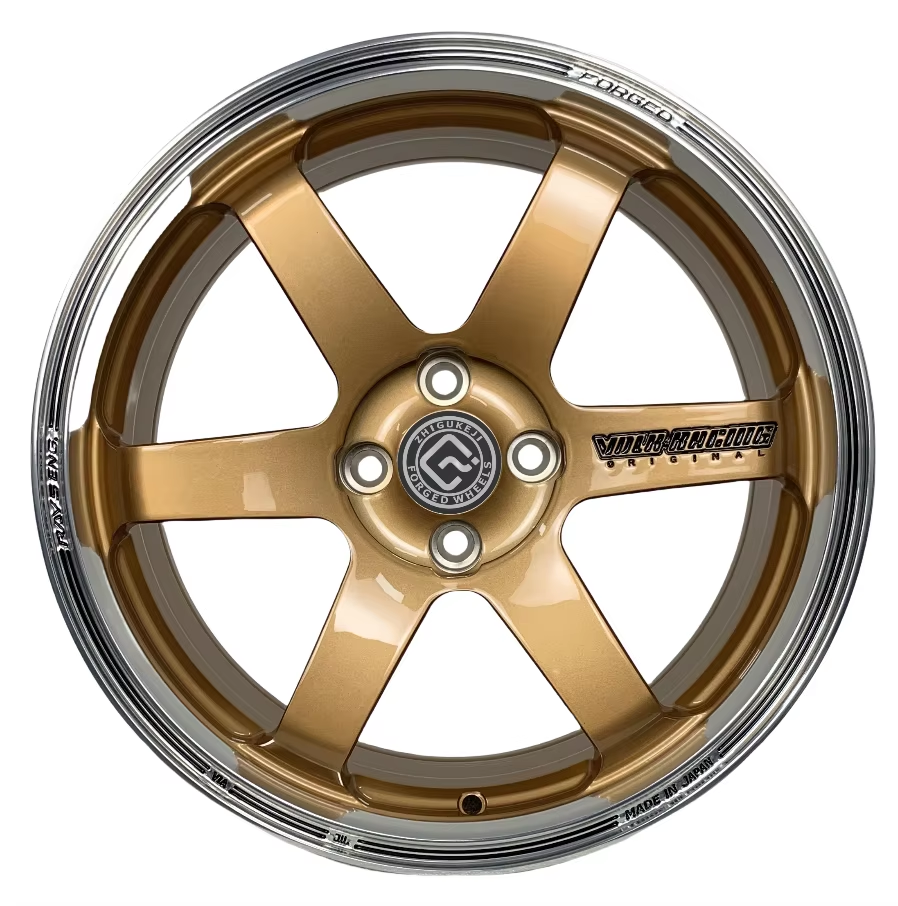
The Science of Rotational Inertia and Its Impact on Vehicle Performance
Understanding Rotational Mass and Vehicle Performance
The amount of energy needed to speed up or slow down a wheel depends on something called rotational inertia. Think about those old merry-go-rounds from childhood playgrounds - when kids sat near the outer edge, it took way more effort to get them moving or stop them. Wheels with heavier rims show similar behavior, actually having around 18 to 22 percent more rotational inertia according to recent studies by Cerebrum Sensor in 2023. What does this mean practically? Well, engines have to put in extra work while braking systems also face added strain, kind of like paying an unexpected fee that nobody really wants. That's why many drivers opt for lightweight performance wheels these days. These specialized wheels cut down on rotational mass, which makes cars accelerate faster and respond better when hitting the brakes.
How Reducing Rotational Inertia Improves Acceleration Efficiency
Cutting down wheel and tire rotational inertia by around 10% makes a real difference in how fast a car can hit 60 mph from a standstill. The physics behind this is pretty straightforward when we look at rotational energy calculations, something like E equals half I omega squared. So taking just one pound off rotating parts actually gives similar benefits to losing two or three pounds from the body of the vehicle itself. That's why racing teams often go all out with expensive magnesium or carbon fiber wheels even though they break the bank. Lower inertia means cars can exit corners much quicker, which translates into better lap times on the track. Most professional mechanics know this well, but few outside the sport really grasp how significant these small weight savings become at high speeds.
Impact of Wheel Weight on Braking: The Physics of Deceleration
Wheels that weigh more create greater angular momentum which means cars take longer to stop. According to some recent testing reported by MotorTrend in 2023, swapping out those heavy 28 pound cast alloy wheels for lighter 19 pound forged ones can cut braking distance from 60 to 0 mph by about 4 feet. Brakes have to work against both the forward motion of the car and all that spinning energy stored in the wheels themselves. So when it comes to stopping quickly, reducing how much rotational mass there is becomes really important for getting better deceleration performance overall.
Real-World Test Data on Wheel Weight Reduction and Response Times
Dynamometer studies comparing 18-lb vs. 25-lb wheel assemblies reveal significant performance differences:
- 0.3-second improvement in 0—60 mph acceleration with lighter wheels
- 2% increase in peak cornering grip due to reduced unsprung mass
- 15% lower brake pad temperatures during repeated 80-mph stops
These results confirm that minimizing rotational inertia delivers tangible benefits in real-world driving and track conditions.
Is Rotational Inertia Overemphasized in Enthusiast Circles?
Rotational inertia plays a big role in competitive racing circles but might not be worth all the fuss for regular drivers on the street. Recent research from last year showed that around 6 out of 10 people who take their cars to weekend track days couldn't tell the difference when wheels varied by less than five pounds in weight during blindfolded testing. Still, there's good reason to care about rotational mass if driving conditions push a vehicle close to its performance envelope. For those tackling actual race tracks or challenging mountain passes where every fraction of a second counts, fine tuning rotational inertia continues to be one of the best ways to get better handling characteristics and sharper response times from the car.
Lightweight Materials and Unsprung Weight Reduction in Performance Wheels
Advantages of Aluminum, Magnesium, and Carbon Fiber in Performance Wheel Construction
Performance wheels today rely on some pretty impressive materials to get that sweet spot between being strong enough, light enough, and lasting long enough. Most manufacturers stick with aluminum alloys for serious performance stuff because they cut down weight by around 30 to 40 percent compared to regular steel wheels, yet still hold their shape under stress. If budget allows, magnesium takes things even further, making wheels about 18 percentage points lighter than aluminum ones according to some industry reports from last year. But these magnesium beauties need special coatings applied since they tend to corrode easily otherwise. Then there's carbon fiber which is basically what racers dream about. Some tests done back in 2023 found that carbon fiber wheels spin up to 27% quicker than their forged aluminum counterparts. That means cars can shift gears faster and respond better when drivers hit the gas pedal hard.
How Reduced Unsprung Weight Enhances Acceleration and Suspension Response
Every 1 lb reduction in unsprung weight (components below the suspension) provides three times the performance benefit of an equivalent reduction in vehicle bodyweight, according to motorsport engineering standards. Lighter wheels allow suspensions to maintain tire contact 22% more effectively on uneven surfaces (MTS Laboratories 2023), resulting in:
- 0.15-second quicker 0—60 mph times in performance sedans
- 2.1% improvement in lateral grip during corner transitions
- Reduced wheel hop during aggressive launches in AWD platforms
This optimization ensures suspension geometry functions efficiently, rather than being overwhelmed by inertial forces from heavy rotating parts.
Braking Performance Gains from Lighter Wheels: Shorter Stopping Distances Explained
Lighter wheels improve braking through two key mechanisms:
- Lower Rotational Energy: At highway speeds, a 19-inch forged wheel stores over 32,000 joules of energy. Removing 5 lbs per wheel reduces the energy brakes must dissipate by 18% during emergency stops.
- Improved Contact Patch Stability: Independent testing revealed vehicles with carbon fiber wheels stopped 12 feet shorter from 70 mph than those with aluminum wheels, thanks to consistent tire-to-road contact enabled by lower unsprung mass (MTS 2023).
These advantages are especially valuable in electric vehicles, where lighter wheels amplify regenerative braking efficiency and extend range.
Wheel Size and Tire Dynamics: Balancing Inertia and Traction
Wheel Diameter Trade-Offs: Acceleration Efficiency vs. Rotational Mass
Bigger wheels do give better traction because they create larger contact patches with the road surface. However, there's a tradeoff here since larger wheels also mean more rotational mass, making them harder to spin up quickly. According to tests run on chassis dynos, cutting just one pound off wheel weight can shave around 0.1 seconds off the 0 to 60 mph sprint time, as noted by SAE International back in 2023. Take 20 inch wheels for instance they provide roughly 12 percent extra grip when cornering hard. But those same wheels come with 28% more rotational inertia than smaller 18 inch alternatives, so cars need about 15% more power just to get moving from a standstill. It's this balance between grip and acceleration that keeps engineers up at night.
Braking Leverage and Inertia: How Larger Wheels Affect Stopping Power
When brakes engage, they need to fight against the spinning motion of the wheels before actual friction starts working to slow things down. According to research from NHTSA back in 2022, during those sudden emergency stops controlled by ABS, bigger wheels actually demand more effort from the braking system. Specifically, a 22 inch forged aluminum wheel needs about 27 percent extra torque compared to its smaller 19 inch version just to match the stopping power. While larger rotors do offer certain mechanical benefits, this increased resistance becomes something manufacturers have to contend with when designing high performance wheels for everyday driving conditions.
Case Study: 18-inch vs. 20-inch Performance Wheels in Real-World Conditions
A 12-month track evaluation of identical sports cars highlights the trade-offs between wheel sizes:
| Metric | 18-inch Wheels | 20-inch Wheels |
|---|---|---|
| Lap time average | 1:42.56 | 1:43.91 |
| 60-0 mph braking | 112 ft | 117 ft |
| Front tire wear | 8,200 miles | 6,500 miles |
Smaller wheels delivered better acceleration, shorter braking distances, and longer tire life. Although larger wheels offered slight cornering advantages at high speed, the overall performance favored 18-inch setups—demonstrating why many racing teams prioritize function over form.
Tire-Road Interaction and Friction Optimization Through Performance Wheel Design
Modern performance wheels enhance driving force by optimizing tire-road contact dynamics. Engineers leverage tread patterns and rubber compounds to maximize the coefficient of friction (μ), the ratio between lateral traction and vertical load. A 2024 materials analysis found advanced wheel designs increase μ values by 12—15% on dry asphalt compared to standard configurations.
Maximizing Driving Force and Friction Between Tires and Road Surface
Performance wheels boost grip through:
- Directional tread designs that channel water efficiently, reducing hydroplaning risk by 30% in wet conditions
- Variable-stiffness sidewalls that maintain even pressure across the contact patch
- Heat-resistant compounds that preserve elasticity during sustained cornering
These features work together to ensure optimal adhesion under diverse driving conditions.
Contact Patch Control and Coefficient of Friction (Mu) Tuning
Contact patch dimensions are tuned for specific driving scenarios:
| Scenario | Ideal Patch Length | μ Target |
|---|---|---|
| Acceleration | 180—200 mm | 1.2—1.4 |
| Cornering | 160—180 mm | 1.3—1.5 |
| Emergency Braking | 200—220 mm | 1.1—1.3 |
Performance wheels incorporate meshed belt layers to dynamically adjust these parameters, shortening 70—0 mph stopping distances by 4.7 meters compared to conventional wheels.
Tire Dynamics Under High-Load Acceleration and Emergency Braking
During hard launches, reinforced bead seats in performance wheels reduce tread deformation by 18—22%, contributing to 0.2-second faster 60 mph times. In emergency braking, optimized thermal mass allows wheels to dissipate 35% more heat than standard units, preventing friction fade and maintaining consistent stopping power over repeated cycles.
Future Innovations in Performance Wheels for Enhanced Efficiency
Emerging Trends in Performance Wheel Design for Faster Acceleration
The engineering world has been buzzing about ways to reduce rotational mass lately, with lots of attention going to materials like graphene-infused alloys and those fancy hollow-spoke carbon fiber designs. Industry insiders predict something pretty exciting for 2026 actually. Wheels that manage to slash rotational inertia by around 30% could potentially knock nearly half a second off those 0 to 60 mph acceleration times in traditional gas powered cars. Some manufacturers are getting creative with hybrid forging methods too, mixing aluminum centers with carbon fiber barrels. These combinations seem to hit that sweet spot between strength and lightness, delivering stiffness while keeping weight down, all without compromising how long these components will last under real world conditions.
Smart Materials and Adaptive Systems for Dynamic Braking Control
Next-generation wheels integrate shape-memory alloys and magnetorheological fluids to adapt in real time. Experimental models with embedded strain sensors automatically stiffen spokes during hard braking, improving stopping distances by up to 12% in wet conditions. These reactive systems complement ABS by adding a structural layer of dynamic control.
Integration of Performance Wheels with Electric Vehicle Powertrains
EV manufacturers are co-developing wheels with integrated regenerative braking components, embedding induction coils and magnetic elements directly into hubs. Early prototypes demonstrate 7% higher energy recovery compared to traditional systems. Combined with reduced unsprung weight, these designs also minimize suspension losses, boosting overall efficiency and extending driving range.
FAQ
What is rotational inertia and how does it affect vehicle performance?
Rotational inertia pertains to the effort required to change the speed of a rotating object, like a wheel. In vehicles, higher rotational inertia means more energy is needed to accelerate or brake, thus impacting overall vehicle performance.
How does reducing rotational inertia improve a car's acceleration and braking?
Reducing rotational inertia lowers the energy required to speed up or slow down the wheels, making a car accelerate faster and brake more effectively.
What materials are commonly used in performance wheels to reduce weight?
High-performance wheels often use lightweight materials such as aluminum alloys, magnesium, and carbon fiber to reduce weight while maintaining strength.
Is there a significant difference in performance between small and large wheels?
Yes, there is. Smaller wheels typically offer better acceleration and brake performance, while larger wheels may provide better traction. The trade-off between grip and acceleration influences wheel choice based on specific driving needs.
Why are carbon fiber wheels preferred by racing teams?
Carbon fiber wheels are preferred for their lightweight and strength, providing faster acceleration response and improved gear shifting efficiency, essential attributes in competitive racing.
Table of Contents
-
The Science of Rotational Inertia and Its Impact on Vehicle Performance
- Understanding Rotational Mass and Vehicle Performance
- How Reducing Rotational Inertia Improves Acceleration Efficiency
- Impact of Wheel Weight on Braking: The Physics of Deceleration
- Real-World Test Data on Wheel Weight Reduction and Response Times
- Is Rotational Inertia Overemphasized in Enthusiast Circles?
- Lightweight Materials and Unsprung Weight Reduction in Performance Wheels
- Wheel Size and Tire Dynamics: Balancing Inertia and Traction
- Tire-Road Interaction and Friction Optimization Through Performance Wheel Design
- Future Innovations in Performance Wheels for Enhanced Efficiency