
 EN
EN



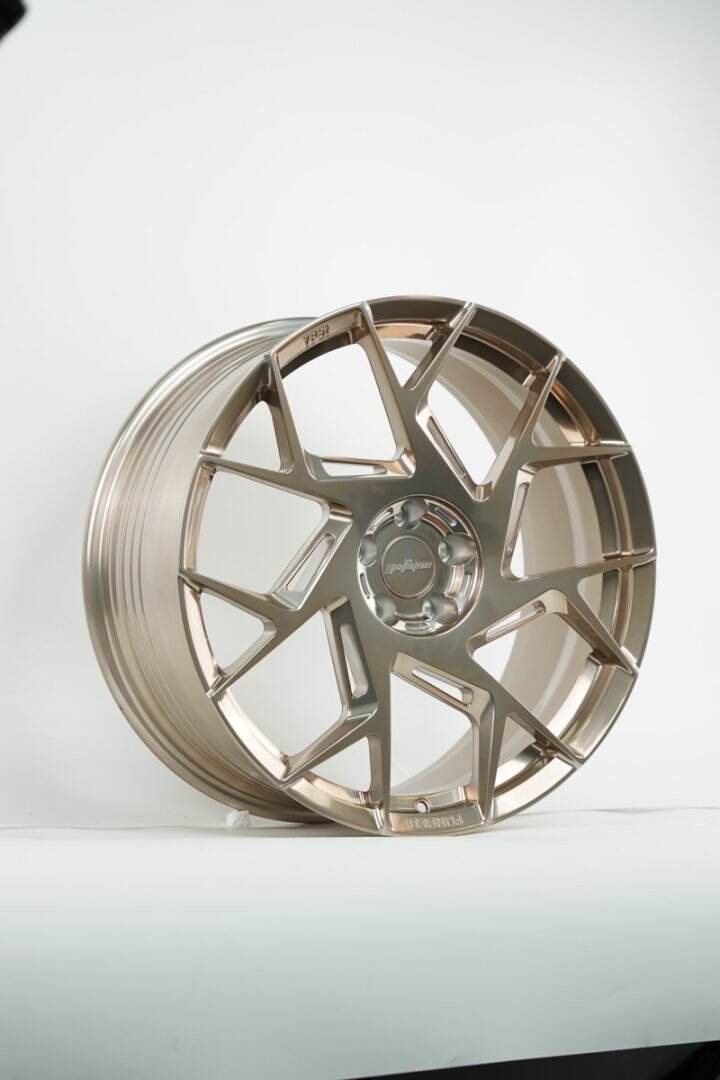
How Material Choice Impacts Custom Wheels Performance
Rotational Inertia and Vehicle Dynamics
What kind of material goes into making wheels has a big impact on rotational inertia, basically how much resistance there is when trying to spin something around. This affects everything from acceleration to braking and cornering performance. Magnesium is lighter than steel, so when used in wheels, it cuts down on that outer rotating mass. We're talking about reducing inertia by somewhere between 15 and 20 percent. The math gets interesting too because saving just one pound on wheel weight feels like getting rid of eight pounds elsewhere in the car thanks to those rotational forces working against each other. That's why cars fitted with these custom lightweight wheels can sprint from 0 to 60 mph about 3 to 5 percent quicker while giving drivers crisper steering response. Don't forget about stiffness either. Forged aluminum stands out here since it stays rigid about 25 percent longer than regular cast options. This means less flex under heavy cornering loads, which translates to better control when pushing limits on the track or winding roads.
Thermal Management and Fatigue Resistance in Real-World Use
When someone drives aggressively, brake temps can get above 600 degrees Fahrenheit (about 315 Celsius) which transfers all that heat right to the wheels and speeds up how materials wear out over time. Aluminum works well for this because it conducts heat away so much better than steel does actually about three times better. Forged aluminum wheels last significantly longer through repeated heating and cooling cycles too they stay intact about 50 percent longer than regular cast wheels before tiny cracks start forming. Magnesium is another option but needs special coatings to fight off rust caused by road salt. Without those coatings, magnesium wheels can really degrade losing almost half their strength after just five winters on the road. Tests show that when aluminum wheels are treated correctly during manufacturing, they can handle more than 100 thousand bumps and jolts from bad roads without breaking down. That makes choosing the right material not just important, but absolutely essential for everyday reliability on our roads today.
Aluminum Alloy Custom Wheels: Strength, Versatility, and Value
Forged vs. Flow-Formed: Weight, Strength, and Cost Trade-Offs for Performance Custom Wheels
When manufacturers forge aluminum wheels, they apply intense pressure that compresses the metal into denser structures. These forged wheels end up being around 15 to 20 percent lighter than flow-formed options while offering roughly 30 percent greater tensile strength. The downside? Production costs jump anywhere from 40 to 60 percent higher compared to other methods. Flow formed or rotary forged wheels represent a good middle ground though. Their manufacturing process mixes cast wheel centers with mechanically rolled barrel sections, resulting in about 90 percent of the strength of fully forged wheels but costing only 60 to 70 percent as much. Car enthusiasts looking for better handling characteristics without breaking the bank often find these wheels particularly appealing since they maintain most of the performance benefits at a fraction of the price tag.
Heat Treatment & Alloy Selection: Optimizing Aluminum Custom Wheels for Track or Daily Driving
What happens after manufacturing really matters when it comes to how materials hold up in actual conditions. Take T6 tempering, which involves heating then aging the metal. This process can actually increase yield strength by around 25 to 30 percent in typical alloys such as 6061-T6, so it works pretty good for regular everyday use in vehicles. When we talk about performance on race tracks though, things get different. The aerospace quality 7075 alloy, when treated with T7 overaging, can survive over 50 thousand fatigue cycles even when exposed to constant high temps. But there's a catch - these parts need special coatings applied to stop them from cracking due to stress corrosion. Recent advances have made big improvements here too. Newer anodizing techniques combined with ceramic coatings offer about three times better protection against corrosion compared to what was available before according to research from the Journal of Materials Engineering last year.
| Application | Recommended Alloy | Heat Treatment | Key Benefit |
|---|---|---|---|
| Daily Commuting | 6061-T6 | T6 Temper | Cost-effective corrosion resistance |
| Performance Track | 7075-T7 | T7 Overaged | Extreme fatigue resistance |
| Off-Road/All-Weather | A356-T6 | T6 + Coating | Impact/chip resistance |
Alloy choice also governs thermal management. Aluminum's thermal conductivity (150–170 W/m·K) outpaces steel's (50–60 W/m·K) by ~65%, enabling faster heat dissipation from brakes and reducing fade risk during repeated hard stops.
Magnesium Alloy Custom Wheels: The Ultimate Lightweight Option—With Caveats
Density Advantage vs. Corrosion and Manufacturing Challenges
Magnesium alloys are actually the lightest material used for wheels today, sitting around 33 percent lighter than aluminum counterparts. This weight difference makes a real difference on the road too. When we talk about unsprung weight reduction, tests show cars can accelerate about 4 to 7 percent faster while stopping distances improve as well according to standard industry tests. But there's always something to give up for such performance benefits. The problem with magnesium is how it reacts chemically. Road salt eats away at these alloys pretty quickly, sometimes causing structural issues within just three to five years if not properly protected against corrosion. Plus manufacturing isn't cheap either. Special casting processes need inert gases and strict quality checks throughout production, which pushes manufacturing costs up between 40 and 60 percent compared to regular aluminum wheels. All these factors mean serious consideration is needed before choosing magnesium for everyday driving situations rather than track days or special occasions.
Modern Coating Advances and OEM Validation in High-Performance Custom Wheels
New surface tech has really helped overcome some of magnesium's weaknesses. When multi stage PVD coatings get combined with those ceramic nano sealants, they create corrosion protection that lasts well beyond 1,200 hours according to SAE J2334 salt spray tests. The big European sports car brands have actually put these coated magnesium wheels through their paces on tracks, running simulations of over 25 thousand pothole hits and still seeing no failures. That kind of OEM backing shows these wheels can handle serious punishment as long as everything gets engineered right and kept up properly. For folks wanting performance oriented custom wheels, today's coating technology makes magnesium something practical instead of just a curiosity. But here's the catch: owners need to stay on top of maintenance routines if they want those protective layers to keep working like they should.
Next-Generation Materials for Custom Wheels: Carbon Fiber, Titanium, and Hybrids
Carbon fiber is taking the lead in next generation custom wheels, cutting weight by around 40% compared to aluminum. This makes a real difference for acceleration and handling since there's less rotational mass to spin around. Titanium alloys are another option worth considering because they combine great strength with low weight and naturally resist rusting over time. But let's face it, making these parts costs a fortune which keeps them out of reach for most people. Hybrid approaches like mixing carbon with aluminum seem promising too. Research published in material science journals shows these combinations can handle impacts about 22% better than regular materials without breaking the bank. They tackle some major issues we've seen before: carbon tends to crack under rough road conditions, titanium just plain costs too much money, and magnesium corrodes when exposed to moisture or salt. As manufacturers ramp up production volumes and those fancy AI design programs get smarter, we should see even better improvements in how weight is distributed across the wheel, how heat moves through the structure, and overall durability. Eventually this could mean wheels that perform outstandingly on race tracks but still hold up day after day on normal roads.
FAQ
What materials are best for custom wheels?
The best materials for custom wheels depend on the intended use and budget. Aluminum alloys are popular for their strength and versatility. Magnesium offers lightweight benefits but requires proper coating to prevent corrosion. Carbon fiber and titanium provide exceptional performance, but cost can be a limiting factor.
Are magnesium wheels suitable for everyday driving?
Magnesium wheels offer significant weight savings and improved performance but have challenges such as susceptibility to corrosion from road salt and higher manufacturing costs. They are more suited for specialized use, like track days, unless properly coated and maintained.
Why is heat treatment important for wheel performance?
Heat treatment processes, such as T6 tempering, enhance the strength and durability of aluminum wheels. It improves their resistance to fatigue and helps them withstand the stresses of everyday driving or track use.