
 EN
EN



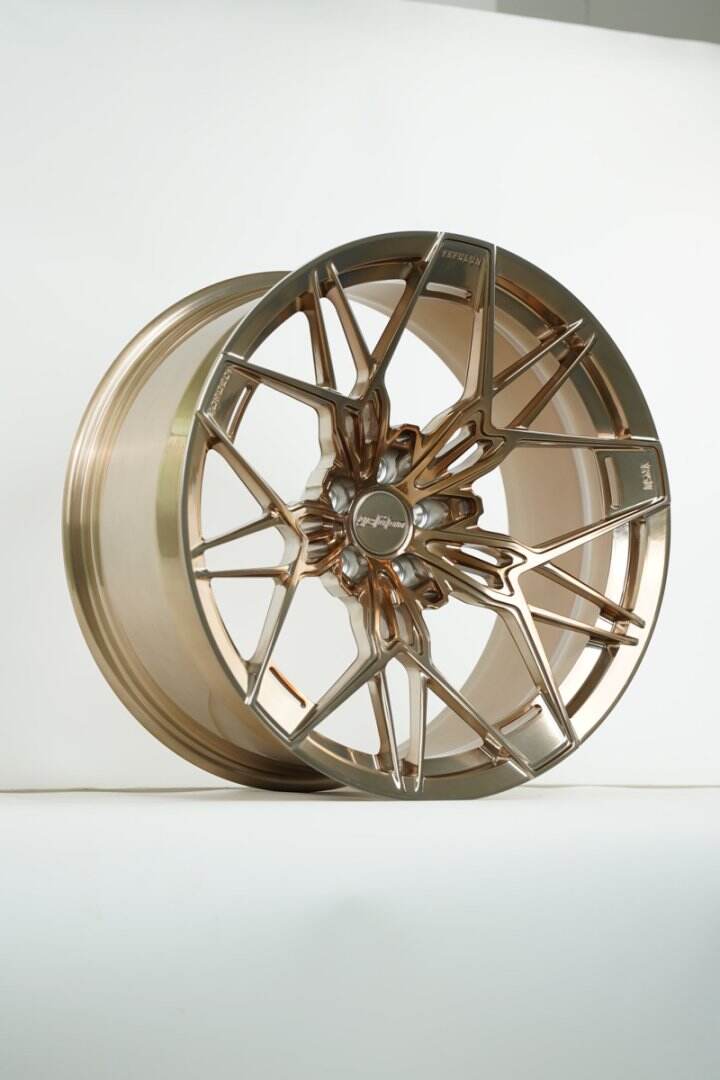
Why Unsprung Mass Matters Most for Performance Wheels
Physics Link: How Lower Wheel Weight Enhances Cornering, Braking, and Ride Compliance
When we talk about unsprung mass those parts sitting below the suspension springs like wheels, tires, and brakes making the car handle better when they're lighter. Performance wheels that weigh less cut down on rotational inertia so the suspension can respond to bumps in the road 15 to maybe even 20 percent quicker according to research published by SAE International back in 2023. What does this mean for drivers? The tires stay planted on the pavement during corners, which helps reduce understeer since there's less weight shifting sideways. Brakes work better too because there's simply less energy to stop. Tests show cars can come to a halt 3 to 5 percent sooner with lighter components, as the brake pads maintain better contact with rotors throughout stops. And let's not forget ride comfort gets a boost from all this weight reduction. Lighter setups allow suspensions to soak up road irregularities instead of just passing vibrations through to passengers, making for a smoother drive over rough terrain.
| Performance Factor | Improvement Mechanism | Impact |
|---|---|---|
| Cornering | Lower lateral inertia | +8–12% grip retention mid-turn |
| Braking | Reduced rotational mass | 3–5% shorter stops |
| Ride Quality | Faster suspension response | 15–20% vibration damping |
Track-Validated Gains: Wheel Weight Reduction vs. Lap Time Improvements
Reducing unsprung mass makes a real difference when racing on circuits. Losing about 7 kg at each corner of the car (wheel and tire combined) can shave between 0.3 to 0.8 seconds off lap times according to Racecar Engineering's latest issue from Spring 2024. The benefits stack up in several ways too. Lighter wheels mean the car turns faster because there's less rotational resistance. Traction stays better through those tight, high-G corners where grip matters most. Brakes also last longer between stops since they don't have to work as hard. What's interesting is that saving weight below the suspension actually gives around three times the handling improvement compared to saving the same amount above it. This has been confirmed by various automotive manufacturers and racing teams who've run their suspension models through simulations. For every kilogram taken out of the wheel setup, drivers get performance similar to removing six kilograms from somewhere else on the car. That's why so many serious racers still prioritize getting the lightest possible wheels they can find for competition.
Material & Construction: Forged, Flow-Forged, and Aluminum Performance Wheels
Forged vs. Flow-Forged vs. Cast: Strength, Weight, and Thermal Durability for Track Use
The way wheels are made makes all the difference when it comes to surviving the brutal conditions on race tracks. Forged wheels start life as blocks of solid aluminum that get squeezed together with massive force around 10,000 tons or more. This creates super tight grain structures inside the metal, making them stronger for their weight compared to regular cast wheels. Most forged wheels end up being somewhere between 15 and 20 percent lighter than their cast counterparts while still holding up against impacts better. Flow forging works differently. These wheels begin as basic cast parts, but then they go through this special spinning process at high temperatures where hydraulic rollers work the metal, stretching and compressing it repeatedly. This actually boosts tensile strength by roughly 30% compared to standard casting methods, and they cost less money too. Regular cast wheels might seem cheaper upfront, but they have tiny air pockets in them from the manufacturing process. These little weaknesses can turn into cracks after many cycles of heating up from brakes getting so hot they reach over 1,200 degrees Fahrenheit during track days. When talking about keeping wheels intact under constant stress and weight, these manufacturing differences really matter in real world racing situations.
- Forged excels in heat dissipation and structural integrity
- Flow-forged delivers the best balance of track-ready strength and value
- Cast remains appropriate only for light-duty street applications
Aluminum Alloys, Magnesium, and Carbon Fiber: Real-World Trade-offs in Stiffness and Cost
What materials we pick really affects how something performs and works in real life situations. Aluminum alloys are king of the hill when it comes to performance stuff. Take 6061-T6 for instance, it's got just the right mix of stiffness, won't rust easily, and doesn't break the bank. Then there's 7075-T6 which shows up in airplane parts because it can handle about 25% more stress before bending, though folks will pay around 40% extra for that benefit. Magnesium wheels cut down weight by roughly a third compared to aluminum counterparts, but they need special treatments like thick coatings to stop them from corroding. That makes these wheels bad choices for places where road salt is common or for regular day-to-day driving. Carbon fiber takes weight reduction to another level, coming in at half the weight of forged aluminum while still being super stiff sideways. The problem? It tends to crack on impact and costs anywhere between three to five times as much as other options. Because of this price tag and fragility issues, carbon fiber stays mostly confined to racing applications where every gram matters most.
- Aluminum alloys remain the optimal all-around solution for street/track versatility
- Magnesium is reserved for dry-weather competition where corrosion risk is controlled
- Carbon fiber serves niche, professional-level racing where cost is secondary to mass and stiffness targets
Fitment Precision: Ensuring Compatibility and Handling Integrity
Offset, Backspacing, and Scrub Radius: Their Impact on Steering Feedback and Tire Wear
The relationship between wheel offset and backspacing determines how tires interact with the suspension setup, affecting everything from how the car steers to where tires wear down over time. When these measurements aren't right, it changes what's called the scrub radius. This is basically the space between where the steering pivot point sits and the middle of the tire. If there's too much positive scrub radius, drivers will notice more torque steer when accelerating hard. On the flip side, too little creates uneven wear on the inside edges of tires while making steering feel less responsive. Wheels made with original equipment manufacturer specifications maintain proper scrub radius balance. This keeps steering predictable and can actually make tires last longer—some studies show up to 15 to 30 percent improvement according to research published by SAE International.
Bolt Pattern, Center Bore, and Brake Clearance: Non-Negotiable Checks for Performance Wheels
Before putting on those performance wheels, three dimensional measurements need checking first. The bolt pattern (or PCD) has got to line up perfectly with what's on the hub. If there's even a slight mismatch here, things start getting bad fast - vibrations will kick in, weight distribution gets messed up, and eventually the whole hub could fail. When the wheel's center hole is bigger than the hub itself, hub centric rings become a must have item. These little rings stop wobbling problems when driving at higher speeds. And don't forget about the space between the wheel and brake calipers either. For serious track work, we're talking about at least 3mm clearance between the inside of the wheel and the actual caliper body. Without enough room there, repeated hard stops can warp metal components or cause binding issues from all that heat buildup. Skip any of these steps and drivers might notice discomfort while riding around town, but worse still their car becomes dangerously unstable when pushed hard at highway speeds.
Optimizing Wheel Sizing for Street and Track Performance Wheels
Diameter, Width, and Sidewall Height: Balancing Responsiveness, Heat Management, and Ride Quality
The size of wheels really affects how vehicles perform in different situations. On race tracks, wheels between 17 and 18 inches tend to work best because they cut down on weight that isn't supported by springs and reduce the effort needed to spin them around, all without messing up brake space or sidewall height that helps keep handling predictable at limits. When combined with widths around 9 to 9.5 inches and tire sizes from 245 to 275mm, these dimensions give good grip while letting taller sidewalls handle heat buildup and wear over long races. Going wider does boost cornering power but makes cars more prone to following road grooves on rough surfaces. Wheels bigger than 19 inches make rides harsher and react worse to bumps and curbs, which isn't great for regular street driving. Sidewall height matters too short ones make turns feel sharper on smooth tracks, whereas taller sidewalls soak up bumps better and last longer when temperatures climb. Choosing the right setup depends on what kind of car it is, how the suspension works, and where it will be driven making sure everything stays stable and safe whether winding through mountain roads or trying to set fast laps at the track.
FAQ
Why is unsprung mass important for performance wheels?
Unsprung mass impacts how effectively a car can handle corners, braking, and ride quality. Lighter unsprung mass allows the suspension to respond faster to road conditions, improving grip, braking efficiency, and comfort.
What's the difference between forged and cast wheels?
Forged wheels are stronger and lighter than cast wheels due to their manufacturing process, which compresses solid aluminum blocks, while cast wheels are made by pouring liquid aluminum into molds, resulting in weaker structures with potential air pockets.
Why is wheel fitment precision crucial?
Proper wheel fitment, including offset and bolt pattern, ensures optimal handling, prevents vibrations, and maintains safety by ensuring the wheel properly fits the car's hub and brakes without interference.