
 EN
EN



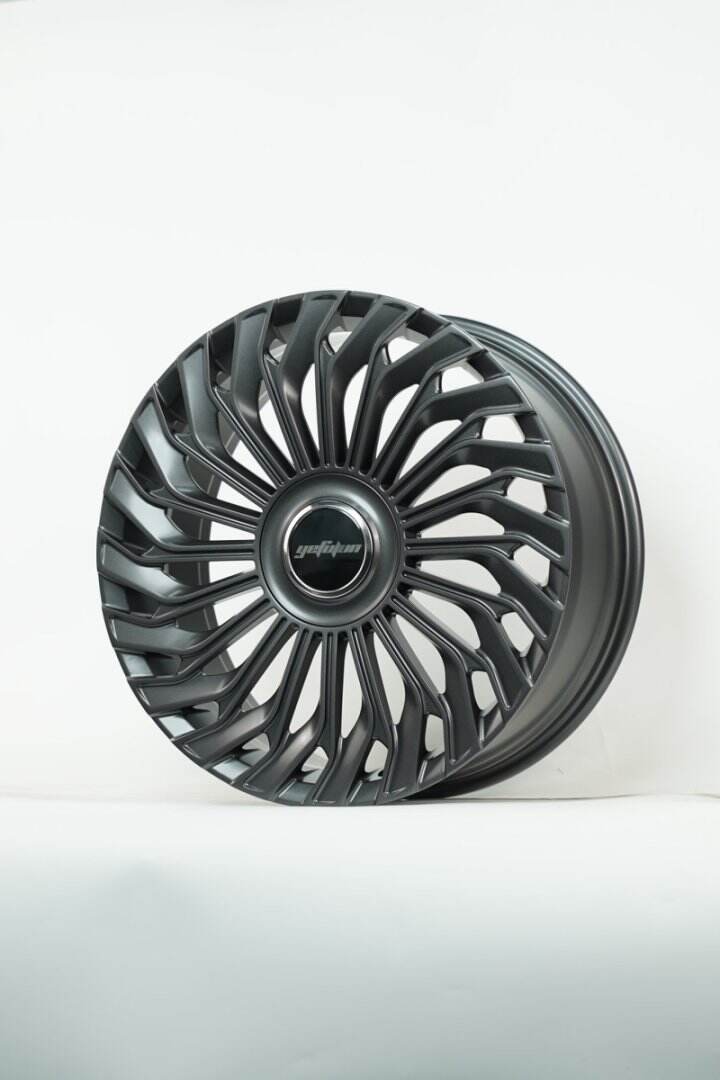
Why Custom Wheels Are Essential for Modified Cars
Custom wheels aren't just about looks either, they form an essential part of any vehicle modification project. When building performance cars, people often run into problems fitting wheels after lowering suspensions, widening the track, or installing bigger brakes something standard wheels just cant handle. Forged or flow formed wheels weigh around 30% less than regular cast ones, which makes a noticeable difference in how the car handles, accelerates faster, and stops better. Getting the right width and offset matters too because that affects how well the tires stick to the road during corners. Beyond function though, these wheels let owners show off their style through things like deep concave designs, brushed metal surfaces, or custom color jobs all while still working properly under stress. That combination of solving actual mechanical issues plus letting drivers personalize their rides is why so many serious modifiers consider custom wheels absolutely necessary.
Fitment First: Resolving Clearance, Suspension, and Brake Conflicts
Offset, backspacing, and concavity—engineering fit for lowered, widened, and brake-upgraded platforms
Precision wheel engineering eliminates interference before it begins. Custom wheels address three core fitment challenges inherent to modified platforms:
- Offset (measured in millimeters) positions the wheel relative to the suspension mounting surface. Aggressive lowering typically requires increased positive offset to prevent strut contact, while widened tracks often demand negative offset for flush fender alignment.
- Backspacing governs inner clearance between the wheel barrel and brake caliper. Upgraded big brake kits (BBKs) require precise spacing—typically 3–5mm—to avoid rotor scoring or caliper interference.
- Concavity balances structural function and packaging. Deep concave profiles create critical clearance for large-diameter rotors and multi-piston calipers without compromising spoke strength; shallow concavity suits narrow-body applications where packaging is less constrained.
| Parameter | Low Modification Impact | High Modification Impact |
|---|---|---|
| Offset | Minimal adjustment needed (±5mm) | Critical calibration (±15mm+) |
| Backspacing | Standard brake clearance | Custom spacing for BBK kits |
| Concavity | Aesthetic enhancement | Structural requirement for BBK/widebody |
These parameters ensure seamless integration with coilovers, air suspension, and big brake kits—transforming potential clearance conflicts into optimized performance foundations.
Aesthetic Expression: Finishes, Profiles, and Design Language
Chrome, matte black, machined lip, polished face, and custom-painted finishes as brand-aligned style tools
When it comes to custom wheels, they serve as the eyes of any modified vehicle, really setting the tone for what kind of character the car has. Chrome gives off that classic luxury vibe while matte black looks aggressive without being too flashy. Those fancy details matter too – think about how the edges get machined or the way certain parts shine when hit by sunlight during movement. People love getting creative with paint jobs these days, going beyond basic colors into stuff like those sweet candy shades or even surfaces that feel almost like ceramics. This isn't just about making things look good though. Take a deep dish wheel for instance, it works wonders with those big body kits. Split spoke designs can match up nicely with dashboard accents or tailpipe finishes. Put some bronze colored wheels on an older Porsche model? That's where tradition meets contemporary style in a pretty intentional way. According to Custom Garage Journal from last year, around two thirds of car builders consider wheel appearance super important for keeping everything looking consistent. So yeah, every little detail counts when building something special. The right wheels should tell a story alongside the rest of the car rather than just sitting there doing nothing.
Performance-Driven Custom Wheels: Forged, Hybrid, and Stance-Optimized Builds
Beyond aesthetics, performance-driven custom wheels fundamentally reshape vehicle dynamics. They prioritize weight reduction, structural integrity, and geometric optimization to elevate acceleration, braking, and cornering—especially vital for builds operating at performance extremes.
3D-forged aluminum, carbon-fiber hybrid rims, and deep-concave profiles balancing strength, weight, and visual impact
Forged aluminum wheels made through 3D processes offer amazing strength while weighing much less than traditional cast options. According to Metallurgical Analysis from 2023, these wheels can cut down on unsprung mass by around 25%. What does that mean? Better suspension performance and quicker throttle responses when driving. For those looking even lighter solutions, carbon fiber hybrids combine aluminum hubs with carbon barrels. These setups typically save between 15 to 30 percent compared to standard forged aluminum, which explains why race teams often prefer them for track days. The deep concave designs aren't just for looks either. Their shape actually spreads out stress more evenly across the wheel spokes when going through tight corners at high speeds or slamming on brakes hard. This makes the whole wheel structure more durable under extreme conditions.
Key trade-offs include:
- Forged aluminum: Highest impact resistance—ideal for spirited street use or rough-road events
- Carbon hybrids: Maximum weight savings and stiffness, but at a premium cost and reduced repairability
- Concave designs: Increased lateral stiffness for cornering stability, though requiring careful offset/backspacing calibration
Engineers fine-tune spoke architecture and barrel thickness to withstand repeated high-load cycles—ensuring every gram saved or contour refined translates directly into measurable driving gains.
Staggered vs. Square Setups: Matching Wheel Configuration to Build Intent
The decision to go with either staggered or square wheel setups affects how a car drives as well as what it looks like on the road. Staggered wheels have wider tires at the back compared to the front, which gives better grip for rear-wheel drive cars, particularly those with lots of power under the hood. When launching from a stop or going straight down the track, this extra rear grip makes a big difference. But there's a catch too. These setups look cool but aren't so great when it comes to rotating tires regularly, and they tend to cost more to maintain over time. Square setups where all four wheels are the same size offer something different entirely. The handling stays balanced and consistent, making them perfect for track events, autocross competitions, or just regular AWD cars driven every day. Plus, these setups let mechanics rotate tires properly, help tires last longer, and make adjusting the car's setup much easier overall.
| Configuration | Performance Advantage | Ideal Use Case | Aesthetic Impact |
|---|---|---|---|
| Staggered | Enhanced RWD acceleration grip | Drag racing, show builds | Muscular rear profile |
| Square | Predictable cornering balance | Track days, daily-driven mods | Symmetrical, purposeful |
Your choice reflects build philosophy: staggered prioritizes raw power delivery and visual presence; square emphasizes balance, efficiency, and driver engagement. With custom wheels, this decision directly influences drivetrain synergy, suspension tuning, and how the car behaves—and feels—on every type of road or circuit.
FAQ
What are the key benefits of custom wheels for modified cars?
Custom wheels offer both aesthetic and functional benefits. They enhance the vehicle's look while addressing fitment challenges related to modified suspensions, brakes, and tracks. They also improve performance by reducing weight, which enhances acceleration, braking, and handling.
How do forged wheels differ from cast wheels?
Forged wheels are lighter and stronger than cast wheels due to their manufacturing process. This results in better vehicle performance, especially in terms of acceleration and handling.
Why choose staggered wheel setups?
Staggered setups, with wider rear tires, enhance grip for rear-wheel drive cars, ideal for drag racing and creating a muscular aesthetic. However, they can be more costly to maintain and offer less flexibility for tire rotation compared to square setups.
What is the importance of wheel offset?
Wheel offset ensures wheels are properly aligned relative to the suspension. It is crucial for fitment and avoiding contact with other car components, particularly important for lowered or widened cars.
Table of Contents
- Why Custom Wheels Are Essential for Modified Cars
- Fitment First: Resolving Clearance, Suspension, and Brake Conflicts
- Aesthetic Expression: Finishes, Profiles, and Design Language
- Performance-Driven Custom Wheels: Forged, Hybrid, and Stance-Optimized Builds
- Staggered vs. Square Setups: Matching Wheel Configuration to Build Intent
- FAQ