
 EN
EN



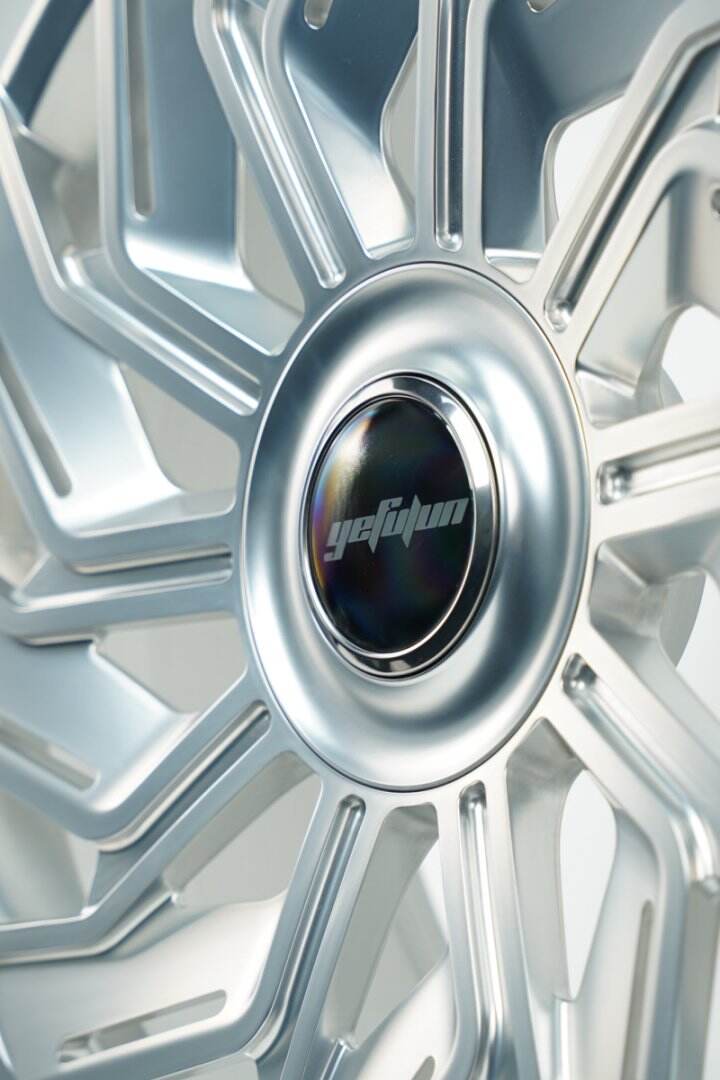
The Visual Science Behind Deep Concave Wheels
How concave curvature creates optical depth and enhances perceived wheel diameter
Deep concave wheels have this cool way of bending light and playing with shadows inside the wheel well. What happens? They create the illusion that the wheel is much deeper than it really is. Car guys love this because it makes wheels look bigger than they actually are, giving the vehicle that aggressive stance everyone wants. How does it work? Well, the sharper the curve, the more dramatic the effect. Light bounces off these curved surfaces at different angles, making our eyes think there's more depth there. Bigger wheels generally allow for deeper curves too, but designers always have to watch out for clearance issues with suspension components. Get it right and those wheels stop being just metal circles. Instead, they become eye catching features that draw attention straight to the middle of the wheel, almost like magnetic pull.
The 'infinity effect' and aggressive stance: linking deep concave wheels to vehicle presence
When car designers talk about deep concave wheels, they often mention something called the infinity effect. Basically, it's when those spokes look like they're disappearing into a tunnel that goes on forever towards the middle of the wheel. What happens is pretty cool actually. The wheel becomes this eye-catching centerpiece that makes the whole car feel lower to the ground and more aggressive looking. Even though the wheels aren't physically wider, their recessed design tricks the eye into thinking the car has a much broader stance. Some market research shows interesting numbers too. Around 78 percent of people who saw these wheels thought they screamed performance compared to regular flat ones. And let's face it, that aggressive yet controlled look turns everyday cars into real attention getters. The curves just scream purposeful design rather than random styling choices.
Fitment Fundamentals for Deep Concave Wheels
Critical clearance checks: brake calipers, suspension travel, and fender lip interference
Getting deep concave wheels to fit right means checking three main areas carefully. The first thing to look at is how much space there is between the inside of the wheel spokes and the brake calipers. We're talking about at least 5 to 10 millimeters here. This becomes really important with high performance brakes because if there's not enough room, parts can rub together while driving. Next up is making sure the suspension has enough travel when compressed all the way down. Otherwise tires might hit struts or upper control arms, which happens quite often after people lower their cars. Lastly, check that the wheel doesn't scrape against the fender when turning or going over rough roads. Wheels with very aggressive offsets sometimes need fenders rolled out or special suspension setups to stop this rubbing problem. According to industry data from Vossen in 2024, almost 8 out of 10 fitment issues actually come from people forgetting about how suspension moves dynamically.
OEM vs. aftermarket tolerances: why deep concave wheels demand precise offset and hub-centric design
OEM wheels adhere to factory-engineered tolerances (¬±0.5 mm offset variance), while aftermarket deep concave wheels often operate within wider margins (¬–2¬—3 mm). This discrepancy necessitates precision-centric design principles:
- Offset accuracy: Lower offsets (e.g., ET20) increase concavity depth but risk protruding beyond fenders if miscalculated. Even a 3 mm deviation can cause stability issues at highway speeds.
- Hub-centric rings: OEM hubs match wheels exactly, whereas universal aftermarket designs require precision-machined rings—6061-T6 aluminum is recommended—to eliminate vibration. A 2024 wheel failure study attributed 41% of vibration complaints to improper hub-bore alignment.
For optimal safety, prioritize suppliers offering CNC-verified offset matching and aircraft-grade hub rings, as outlined in aftermarket sourcing guidelines.
Aesthetic Customization Levers for Deep Concave Wheels
Offset, width, and staggered setups: balancing concavity with track width and handling stability
Getting deep concave wheels right really comes down to getting the offset and width just so. When we drop the offset, it pushes those wheels outwards quite a bit, which allows for some serious concavity and increases the overall track width. This actually makes corners better handled, cutting body roll somewhere around 15 to 20 percent according to Vehicle Dynamics Journal from last year. Going wider does create deeper curves though, and this means checking clearances carefully around brake components and suspension parts becomes absolutely necessary. A lot of enthusiasts go for staggered setups where the rear wheels are wider than what's on the front. These configurations give that aggressive concave look without messing up how the front end responds when steering. They keep things balanced within factory specs while giving extra grip at the back. From what actual performance tests show, these staggered arrangements cut understeer issues by about 12% when pushing through tight turns at speed, so they work pretty well for cars needing good all-around handling characteristics.
Finish and surface treatment: how gloss, matte, and machined accents amplify concave depth perception
The way surface treatments affect our perception of deep concave wheels has everything to do with how they play with light. When we talk about gloss finishes, they really boost reflectivity and bend light all over those curved surfaces, making things look deeper than they actually are especially when parked outside under bright sun. Matte coatings work completely differently though. They soak up light instead, which makes those shadowy parts stand out more and creates stronger dimensionality between high and low spots. Car manufacturers often put some machined details right where the eye naturally looks first, like around the rim edges or spokes. These little touches create visual contrast that draws attention exactly where the wheel gets most dramatic in its concavity. Some studies suggest that glossy surfaces can make wheels appear 30% deeper than regular ones according to Automotive Aesthetics Review from last year. What's interesting is these aren't major changes to structure but rather small adjustments that let designers get creative while still maintaining functionality.
FAQ Section
What are deep concave wheels?
Deep concave wheels are wheels that feature a pronounced curvature or depth in their design, creating an illusion of greater depth and diameter compared to traditional flat wheels.
Why do deep concave wheels make a car look more aggressive?
The design of deep concave wheels, with their recessed spokes and curved surfaces, gives the car a lower stance and broader appearance, enhancing its aggressive and performance-oriented look.
What should be checked for proper fitment of deep concave wheels?
Ensure that there is adequate clearance between the wheel spokes and brake calipers, sufficient suspension travel, and no interference with the fender lip. Precision in offset and hub-centric design is also crucial.
How do gloss and matte finishes affect the appearance of deep concave wheels?
Gloss finishes enhance reflectivity and depth perception by bending light, whereas matte finishes absorb light, creating a stronger contrast between different surfaces, thereby enhancing dimensionality.