
 EN
EN



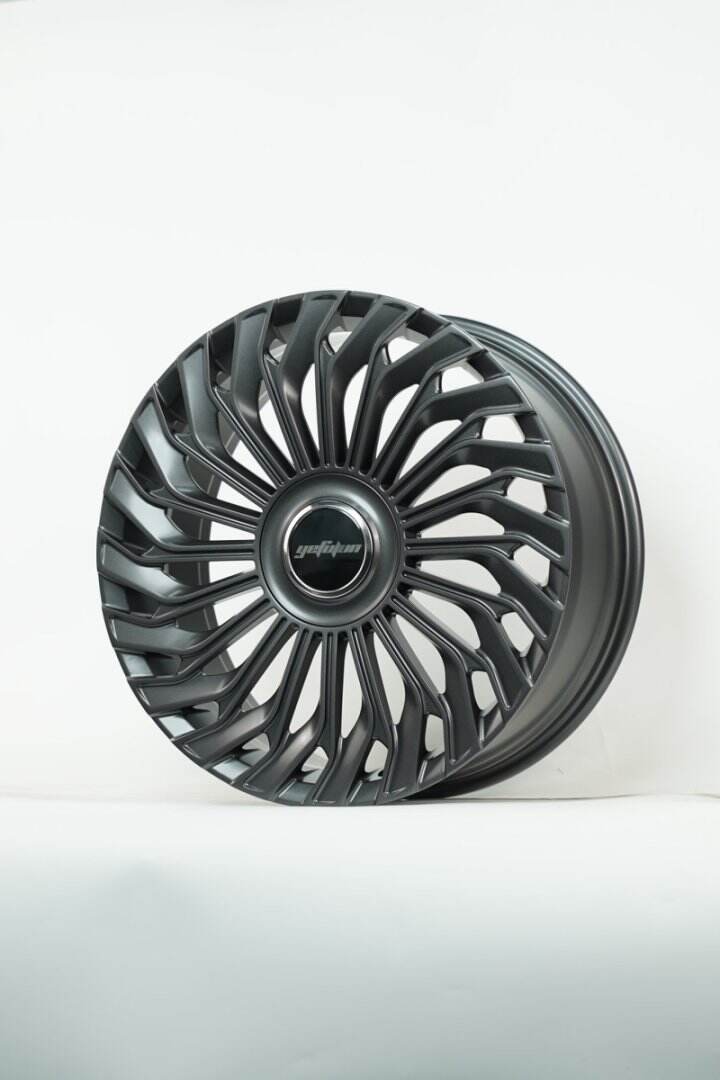
Why Forged Rims Excel in Winter Conditions: Strength, Weight, and Cold-Weather Resilience
Metallurgical Advantages: How Forging Enhances Grain Structure for Low-Temperature Impact Resistance
When making forged rims, manufacturers apply massive pressure to compress aluminum grains into a tight, directional pattern. This process gets rid of those pesky internal voids and weak spots commonly found in regular cast wheels, which can actually cause them to crack when it gets really cold outside. Tests show something interesting too: at temperatures around -20 degrees Celsius, these forged materials can take about 30 percent more impact before breaking compared to standard cast rims according to some independent lab tests called Charpy tests. Plus, because of their continuous grain arrangement, they handle stress better overall. That means drivers get better protection against unexpected hits from things like hidden potholes, chunks of ice on roads, or even curbs covered up by snow during winter months.
Unsprung Mass Benefits: Improved Traction Control and Braking Response on Ice and Snow
Forged wheels can be around 30 percent lighter compared to regular cast rims. This weight difference means there's less unsprung mass hanging off the car, which actually makes a big difference when driving in winter conditions. When going over icy patches, lighter wheels mean tires don't bounce as much, so they stay better connected to the road surface. Car suspensions also react quicker when losing grip. Tests show about a 17% improvement in response time, which translates to shorter stops on slippery roads. The wheel speed sensors pick up on wheel slip much sooner too, giving the electronic stability control system more time to correct things before we lose control completely. During testing on heavily snow covered roads, cars equipped with forged wheels managed to distribute power between wheels about 22% more effectively while turning corners. This shows how these lighter wheels really help cars handle better when there's not much traction available.
Corrosion Resistance of Forged Rims in Salt-Impacted Winter Environments
Anodized and Ceramic-Coated Forged Rims vs. Standard Cast Alloys: Chloride Resistance Explained
The dense, almost solid structure of forged aluminum makes it much better at stopping chloride from getting through compared to cast alloys, which still have tiny holes left over from when they solidified. Add anodizing to this mix, where electricity builds up the natural protective layer, or go for those special ceramic nano coatings that create water repelling surfaces, and forged rims get really good protection against road salt. What these coatings do is stop the chloride ions from touching the actual metal underneath, so those annoying pits don't start forming. Tests following ASTM B117 standards show that anodized forged rims can last well past 300 hours in salt spray tests before showing any signs of trouble. That's actually about four times longer than what happens with regular old cast wheels that haven't been treated.
Field Evidence: 5-Year Durability Data from High-Salt Regions (e.g., Michigan?s Snow Belt)
In Michigan?s snow belt?where road crews apply more than 15 tons of salt per lane mile annually?a 5-year fleet study tracked real-world corrosion performance:
| Rim Type | Failure Rate | Average Corrosion Depth |
|---|---|---|
| Coated Forged Aluminum | 3% | 0.1 mm |
| Uncoated Cast Alloy | 27% | 0.8 mm |
After driving through 60,000 winter miles, ceramic coated forged wheels still held about 98% of their original strength, with only minor surface rust appearing on them. The story was different for regular cast alloy wheels though. These tended to show stress cracks around the lug hole areas. Why? Because road salt gets into those tiny cracks and combined with all that freezing and thawing plus gravel bouncing off the road, it really wears things down over time. Forged aluminum just handles this better because of how the metal grains are arranged during manufacturing. This uniform structure makes it much harder for cracks to start forming or spread when exposed to constant corrosion from winter roads.
Forged Rim Compatibility with Winter Tires: Ensuring Safety and Performance Synergy
Precision Bead Seat Geometry and Thermal Stability for Reliable Tire Sealing in Freeze?Thaw Cycles
Forged rims have these really precise bead seats because of how their metal grains are arranged uniformly without any pores. This gives them a big edge compared to cast rims. The consistent structure means the tire bead sits evenly against the rim flange even when temperatures swing wildly between minus 30 degrees Celsius and just 10 degrees. Forged aluminum actually expands about 40 percent less than regular cast alloys according to SAE International standards from 2023. This matters a lot because it keeps the rim dimensions stable after going through those freeze-thaw cycles we all know and hate. When rims stay dimensionally stable, there's less chance for air to leak out and the tires seat properly on the rim. That makes a real difference in preventing unexpected pressure drops right when drivers need maximum control, say during emergency braking or taking tight corners on icy roads.
Maintaining Forged Rims Through Winter: Protective Coatings and Proven Care Practices
Keeping forged rims looking good through winter requires more than just regular cleaning. Start with wheel cleaners that are pH balanced and not acidic, paired with soft microfiber cloths. Harsh chemicals will eat away at those expensive anodized finishes and ceramic coatings over time. For long term protection, apply sealant specifically made for wheels about every three to four weeks. Ceramic coatings work wonders if kept up properly, pushing back against brake dust and road grime for months at a stretch. If living in areas where salt gets thrown everywhere on roads, need to clean more often and make sure to rinse really well to get rid of chloride residue. Check rims each week for any chips, cracks or bends. Catching small issues early stops them from becoming bigger problems later on. When switching back to summer wheels, put the forged ones somewhere dry where temperature stays stable. Moisture buildup is bad news for these rims over extended periods. Following these steps respects what the metal was designed to handle, keeping them safe, functional and visually appealing even after several tough winters.
Frequently Asked Questions
-
Why are forged rims better in cold weather?
Forged rims excel in cold weather due to their tight grain structure, which enhances impact resistance. They handle stress better, offering protection against unexpected hits. -
Do forged wheels improve traction and braking?
Yes, forged wheels are lighter, resulting in less unsprung mass. This improves traction and braking response, especially in icy and snowy conditions. -
How do forged rims resist corrosion?
Forged rims resist corrosion due to their dense structure and protective coatings like anodizing and ceramic nano coatings, which protect against road salt. -
Are forged rims compatible with winter tires?
Forged rims have precise bead seat geometry and thermal stability, ensuring reliable tire sealing during freeze-thaw cycles, which is crucial for winter tire compatibility. -
How should I maintain forged rims in winter?
To maintain forged rims, use wheel cleaners that are pH balanced, apply sealant regularly, clean frequently, and store properly when not in use.
Table of Contents
-
Why Forged Rims Excel in Winter Conditions: Strength, Weight, and Cold-Weather Resilience
- Metallurgical Advantages: How Forging Enhances Grain Structure for Low-Temperature Impact Resistance
- Unsprung Mass Benefits: Improved Traction Control and Braking Response on Ice and Snow
- Corrosion Resistance of Forged Rims in Salt-Impacted Winter Environments
- Forged Rim Compatibility with Winter Tires: Ensuring Safety and Performance Synergy
- Maintaining Forged Rims Through Winter: Protective Coatings and Proven Care Practices
- Frequently Asked Questions