
 EN
EN



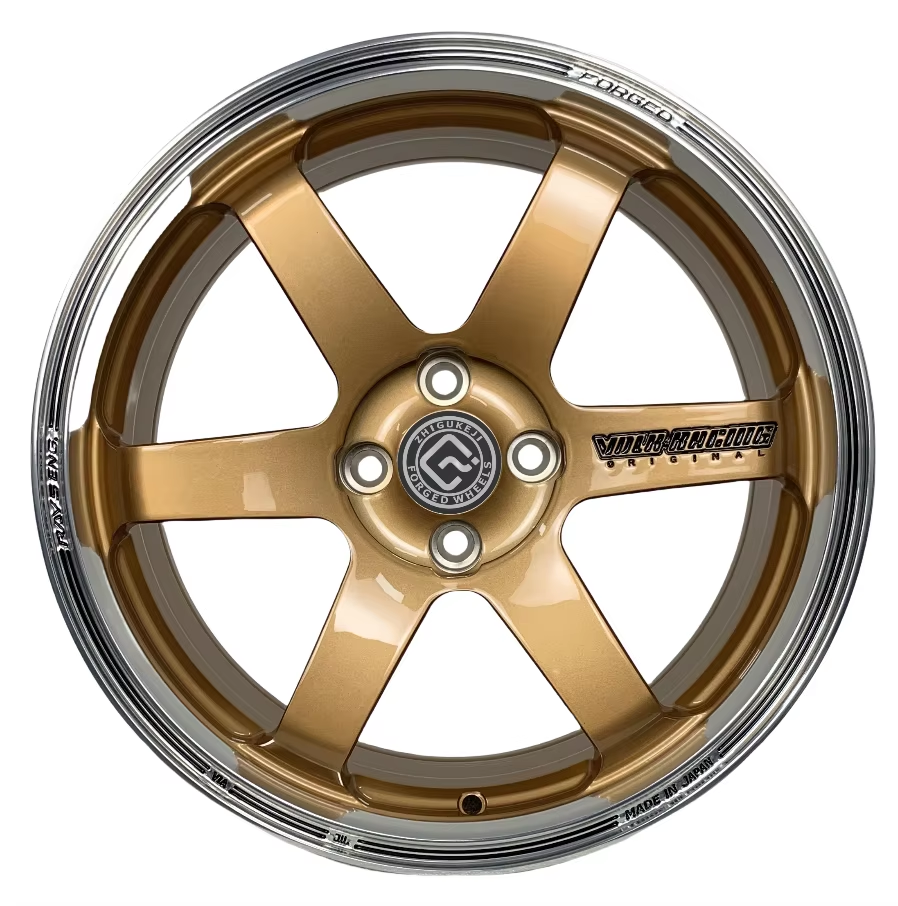
Why Forged Wheels Are Essential for High-Performance Driving
Forged vs. Cast vs. Flow-Formed: Structural Integrity Under Extreme Cornering and Track Loads
When it comes to handling serious stress on the road, forged wheels beat both cast and flow-formed options hands down because of how they're made at the molecular level. During forging, manufacturers press aluminum alloy (usually 6061-T6) between massive dies under incredible pressure. This actually rearranges the metal grains so they line up exactly where the wheel needs strength most. What we get is basically one solid piece of metal with tensile strength over 45,000 psi, which makes it about 30 percent tougher than regular cast wheels. Anyone who's pushed their car through tight corners knows what happens when lateral forces hit around 1.8g or more. Forged wheels just keep going strong while cast ones start showing tiny cracks and flow-formed versions tend to bend instead of holding shape. Track enthusiasts will appreciate this difference especially since proper bead seating remains consistent even after hitting curbs hard enough to make most other wheels lose air suddenly.
| Manufacturing Method | Grain Structure | Fatigue Resistance at 1.8g+ | Failure Mode |
|---|---|---|---|
| Forged | Directionally aligned | Highest (>100k cycles) | Gradual bending |
| Flow-Formed | Partially aligned | Moderate (~50k cycles) | Cracking at spokes |
| Cast | Random, porous | Low (<20k cycles) | Sudden fracture |
Unsprung Mass Reduction: How Forged Wheels Improve Acceleration, Braking, and Handling Response
Reducing unsprung mass—components below the suspension—is critical for performance dynamics. Forged wheels weigh 15–30% less than equivalent cast designs, slashing rotational inertia by up to 10%. This yields measurable gains across all driving disciplines:
- Acceleration: Lighter wheels require less torque to rotate, cutting 0–60 mph times by 0.1–0.3 seconds
- Braking: Reduced mass lowers heat retention in discs and shortens stopping distances by 1–2 meters from 60 mph
- Handling: Suspension responds ~20% faster to road imperfections, preserving tire contact during high-speed transitions
Independent testing confirms that every 1 kg removed from unsprung mass delivers handling responsiveness equivalent to adding 10 hp. The weight savings also reduce mechanical stress on wheel bearings and control arms—extending component life under sustained track use.
Understanding Real-World Forged Wheel Certification Standards
JWL/VIA and HP10/10 Explained: What They Test—and Where They Fall Short for Track Use
Standards such as JWL/VIA and HP10/10 check off fundamental safety needs by looking at things like radial load capacity, how well they resist impacts, and their ability to handle bending fatigue over time. The testing procedures mimic what happens on regular roads these days, including scenarios where wheels hit curbs at right angles going about 30 kilometers per hour, plus thousands upon thousands of rotations while carrying weight upwards. But here's the catch: none of this really captures what happens during actual track sessions when cars experience continuous sideways force exceeding 1.5g or go through extreme temperature changes repeatedly. Something important gets missed entirely too often - the twisting forces experienced right where the wheel connects to the spokes, along with all that heat buildup from constant braking. So even though getting certified according to JWL/VIA means wheels are safe enough for everyday use, serious racers might find themselves dealing with hidden wear issues that weren't picked up during standard tests when pushing vehicles hard on the circuit.
The Critical Role of Cornering Fatigue Testing (¥1.8g) in Validating Forged Wheel Durability
Genuine track ready forged wheels go through extra cornering fatigue tests with lateral forces around 1.8g or more. These tests are done using special equipment that mimics the angular loads experienced when taking sharp turns at speed. The testing process reveals stress areas that regular certification standards often miss, particularly at the point where the hub meets the spokes since cracks tend to start there under twisting forces. Wheels that survive over 100,000 cycles at these force levels typically show about 40% better fatigue resistance according to SAE J2530 standards. Standard impact tests don't cut it here because they fail to account for how the grain structure in forged wheels actually resists tiny crack formations during real racing conditions. When manufacturers spend money on this kind of rigorous testing, they end up producing wheels that last much longer in competition environments where constant sideways G-forces make all the difference between top quality forged wheels and those that just meet minimum safety requirements.
Material Science and Manufacturing: What Makes True Forged Wheels Superior
Aluminum 6061-T6 vs. 6061-O: Heat Treatment, Grain Flow Alignment, and Tensile Strength (¥45,000 psi)
What really sets apart high quality forged wheels is their metal makeup. When working with Aluminum 6061-T6, manufacturers first apply solution heat treatment and then go through artificial aging processes. This results in tensile strength that goes well beyond 45,000 psi, which is almost twice as strong as the annealed version known as 6061-O. The T6 temper creates something pretty special too - it aligns the grains uniformly throughout the metal, basically guiding those tiny metal structures right where they need to be along the main load bearing areas of the wheel. Cast wheels tell a different story altogether though. Their grain patterns tend to be all over the place with lots of pores, making them much more vulnerable when stress builds up in certain spots. According to industry tests, these T6 treated forged wheels can handle about 30 percent more impact before giving way, which means safer performance and longer lasting wheels especially when pushed hard on tracks.
Rotary Forging Process: How Directional Grain Structure Enhances Impact Resistance and Crack Propagation Resistance
What really makes these wheels perform comes down to rotary forging. Basically, they take those aluminum billets and squash them using massive hydraulic presses that can hit over 10,000 tons of pressure. This whole process rearranges the crystal structure into these radial layers. Think of it kind of like how wood grains work together when force hits them from different angles. Instead of cracks just spreading straight through, they get redirected sideways. Forged wheels handle pothole damage about three times better than regular flow formed ones too. They stand up to pretty serious stress without cracking even when subjected to around 1.8g lateral forces during hard cornering or sudden maneuvers. Another big plus is that this method gets rid of any internal porosity issues. Most people don't realize this but internal air pockets in cast wheels are actually where failures tend to start, especially after all those cycles of heating up and cooling down on race tracks.
Practical Selection Criteria for Authentic Forged Wheels
Verifying Genuine Forging: Serial Traceability, Mill Certificates, and Anodizing Consistency
When trying to spot fake forged wheels, there are basically three things worth checking out. Start by asking for those mill certs that prove what kind of metal was used. Look specifically for specs like AMS 4120 or ASTM B221 because these tell the story about whether it's really aerospace grade aluminum with all the right strength characteristics. Next up is tracking where the wheel came from. Good companies will have those laser etched numbers on them that connect back to specific batches they produced. This helps track quality throughout the whole manufacturing process. Then check how even the anodizing looks across the surface. A consistent coat means the temps were controlled properly during production. But if there are streaks or bubbles showing through, that usually points to some bad heat treatment somewhere along the line. Stay away from anyone who can't show these papers when asked. The real problem comes with counterfeit wheels made from cheap alloys that break down under stress tests around 30 percent sooner than genuine products. Always double check any paperwork against what shows up in the manufacturer's official records before handing over cash for a set.
FAQ
Forged wheels are significantly stronger and lighter than cast or flow-formed wheels due to the directional grain structure and higher tensile strength of the metal. They offer better fatigue resistance, making them ideal for handling high lateral forces encountered in high-performance driving.
How do forged wheels improve vehicle performance?Forged wheels reduce unsprung mass, improving acceleration, braking, and handling response. They decrease rotational inertia, leading to faster acceleration and shorter stopping distances.
What should I look for when verifying the authenticity of forged wheels?Check for mill certificates that specify the aluminum grade, look for laser etched serial numbers for traceability, and examine anodizing consistency for clues about proper heat treatment.
Why might standard certification tests like JWL/VIA fall short for track use?These tests are designed for everyday road use and don't account for the high lateral forces and extreme conditions encountered during track sessions. Additional cornering fatigue tests are essential for track-specific durability.
What is the role of material science in making forged wheels superior?Forged wheels use Aluminum 6061-T6, which undergoes heat treatment for enhanced tensile strength. The rotary forging process aligns the grain structure, increasing impact and crack propagation resistance.