
 EN
EN



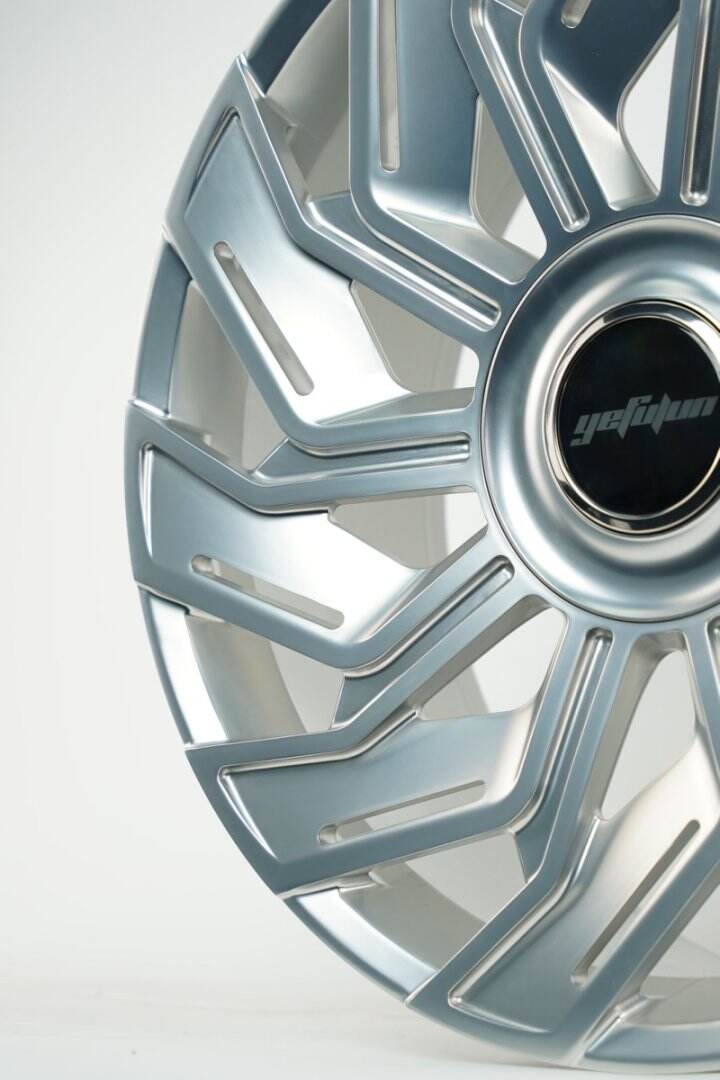
Forged Rims Architecture: Monoblock vs. Multi-Piece Design Trade-Offs
Structural Integrity and Weight Efficiency of Monoblock Forged Rims
Monoblock forged rims start as a solid block of aluminum that gets machined down into the final shape, which means there are no weak points where pieces would normally join together. The way these rims are made keeps the metal's natural grain running straight through the whole wheel, making them much tougher when hitting those pesky potholes or scraping over curbs during aggressive driving. Compared to regular cast wheels, monoblocks typically weigh between 15 to 25 percent less. This weight reduction matters because lighter wheels let cars accelerate faster, stop quicker, and handle better overall. After lots of track time, these forged wheels stay strong without warping or bending, so the wheels keep their proper alignment and tires maintain good contact with the road surface even after extended hard driving sessions.
When Multi-Piece Forged Rims Add Value - and When They Compromise It
Multi piece forged wheels offer plenty of style options and easier maintenance. Think about those cool looks where the wheel lip is shiny while the center remains brushed metal, adjustable lips that fit wider bodies, and barrels that can be swapped out after hitting curbs. The downside comes from how these parts connect though. When bolts or welds hold everything together, there are spots where stress builds up over time, making them more likely to fail during hard cornering or when impacted. These multi pieces also tend to tip the scales around 8 to 12 percent heavier than single piece constructions because of all the extra metal needed at connection points. Great for display vehicles or regular driving on city streets, but not so much for serious racing applications. Luxury car owners often go this route for the visual appeal, even though it means sacrificing some toughness and losing ground in terms of weight savings compared to solid construction.
Matching Forged Rims to Real-World Driving Demands
Track & Performance Use: Unsprung Mass Reduction and Thermal Resilience
When it comes to vehicle dynamics, forged rims make a real difference because they slash what's called unsprung mass the stuff hanging out there beyond the suspension system. This actually makes cars handle better with more precise control and grip on the road. Compared to regular cast wheels, these forged monoblock designs can knock down rotational inertia by around 25%. That means when drivers hit the turns, their cars respond faster, brakes work more effectively, and corners are taken with much more stability. What's really cool about them is how they're made from one solid piece of metal. This construction stands up to serious heat buildup after multiple stops, so the wheels keep their shape and tires stay properly planted on the pavement. And let's not forget the heat management aspect either. Forged aluminum dissipates heat better than other materials, cutting brake rotor temps anywhere between 15% to 20%. This helps prevent brake fade during long drives or track sessions where temperatures just keep climbing.
Daily Driving, Luxury, and OEM Integration: Comfort, Compliance, and Aesthetics
With precision forging technology, manufacturers can create thinner spokes that still maintain their strength and durability. These lighter weight designs actually handle bumps and rough roads better than traditional cast wheels because they flex slightly instead of transferring all that harshness straight into the vehicle. Drivers notice this difference immediately - tests show around a 30% drop in vibrations reaching the steering wheel when using these forged wheels according to DIN Comfort Standards. When it comes to high end vehicles, the manufacturing process maintains incredibly tight tolerances within plus or minus 0.25mm. This level of accuracy means the wheels fit perfectly with factory specifications, keeping fenders aligned just right and making space for modern features like parking sensors and radar systems. The finish matters too. Special coatings like proprietary anodizing and water repelling clear coats protect against rust and wear while maintaining those beautiful looks whether the finish is diamond cut or has that popular satin brushed appearance many luxury car owners prefer.
Vehicle-Specific Fitment Essentials for Forged Rims
Bolt Pattern, Offset, and Backspacing - The Critical Triad for Safety and Clearance
Getting forged rims to fit properly relies on matching three key specs: bolt pattern (PCD), offset (ET), and backspacing. The bolt holes need to line up perfectly with what's on the car. Even a tiny mismatch over half a millimeter can lead to serious problems down the road. Offset basically tells us whether the wheel sticks out or tucks in relation to the suspension components. If we're off by more than 2mm either way, bearings start wearing faster and control arms get stressed because the weight distribution changes. Backspacing refers to space between the rim barrel and things like brake calipers or suspension parts. Most mechanics recommend at least 5mm gap to avoid rubbing when driving over bumps or carrying heavy loads. Pros usually check all these numbers with laser tools during installation since wrong fitments cause about four out of five suspension issues in modified cars, according to industry reports from last year. Forged wheels have much better dimensional control compared to cast ones (about quarter of a mm tolerance versus almost 1.5mm). This makes them stand out when precision matters most.
| Fitment Factor | Function | Tolerance Threshold | Failure Risk |
|---|---|---|---|
| Bolt Pattern | Hub-wheel interface | ±0.5mm variance | Wheel detachment |
| Offset (ET) | Wheel position relative to suspension | ±2mm max | Bearing/suspension fatigue |
| Backspacing | Brake/strut clearance | ≥5mm clearance required | Caliper contact |
Aesthetic and Functional Customization of Forged Rims
Surface Finishes, Engraving, and Center Cap Personalization
Customizing parts offers both eye-catching looks and lasting function. The powder coating process gives tough, rust proof colors in well over two hundred different shades ranging from shiny finishes to flat ones and everything in between. These different textures actually change how heavy something looks visually and how it catches light too. For personal touches, laser engraving works great for adding names or company marks without weakening the material itself. Center caps can be swapped out whenever needed to refresh branding or design elements. What really matters though is how these surfaces perform under real conditions. Special coatings push away dirt and brake residue, while carefully cut channels help drain water away from spots where moisture tends to collect around wheels and hubs.
Material Options: Forged Aluminum, Magnesium, and Emerging Hybrid Composites
The type of material selected usually tells us what the component will be used for. Take forged aluminum alloys like 6061-T6 and 7075-T6, these are all over the market because they strike a good balance between strength and weight. Plus, they naturally dampen vibrations which makes them comfortable during regular use and helps against fatigue over time. Magnesium options such as AZ31 and ZE41 bring something different to the table. They're stiffer and can dissipate brake heat much quicker than aluminum actually around 30% faster according to tests. But there's a catch. These magnesium parts need special coatings applied to stop galvanic corrosion when they come into contact with other metals. Some manufacturers are now experimenting with hybrid materials too. For instance, combining aluminum cores with carbon fiber barrels cuts down on rotational mass by approximately 17%, yet still maintains good impact resistance and handles temperature changes well. What's interesting is that each of these materials requires completely different approaches when it comes to forging, machining, and finishing processes. This affects not only how easy they are to repair but also what kind of finishes are possible and ultimately determines how long these components will last before needing replacement.
FAQ Section
What is the main advantage of monoblock forged rims over multi-piece designs?
Monoblock forged rums offer superior structural integrity and are typically lighter than multi-piece designs, improving vehicle performance in areas such as acceleration, braking, and handling.
Why might someone choose multi-piece forged rims despite their drawbacks?
Multi-piece forged rims provide aesthetic versatility, making them popular for luxury car owners or display vehicles who value customizable styles.
How do forged rims contribute to heat management during driving?
Forged rims made from aluminum dissipate heat better than other materials, reducing brake rotor temperatures and preventing brake fade during prolonged driving or track sessions.
What is the importance of fitment factors when selecting forged rims?
Proper fitment involves bolt pattern, offset, and backspacing, ensuring rims fit without causing suspension or bearing issues and avoiding contact with brake components.