
 EN
EN



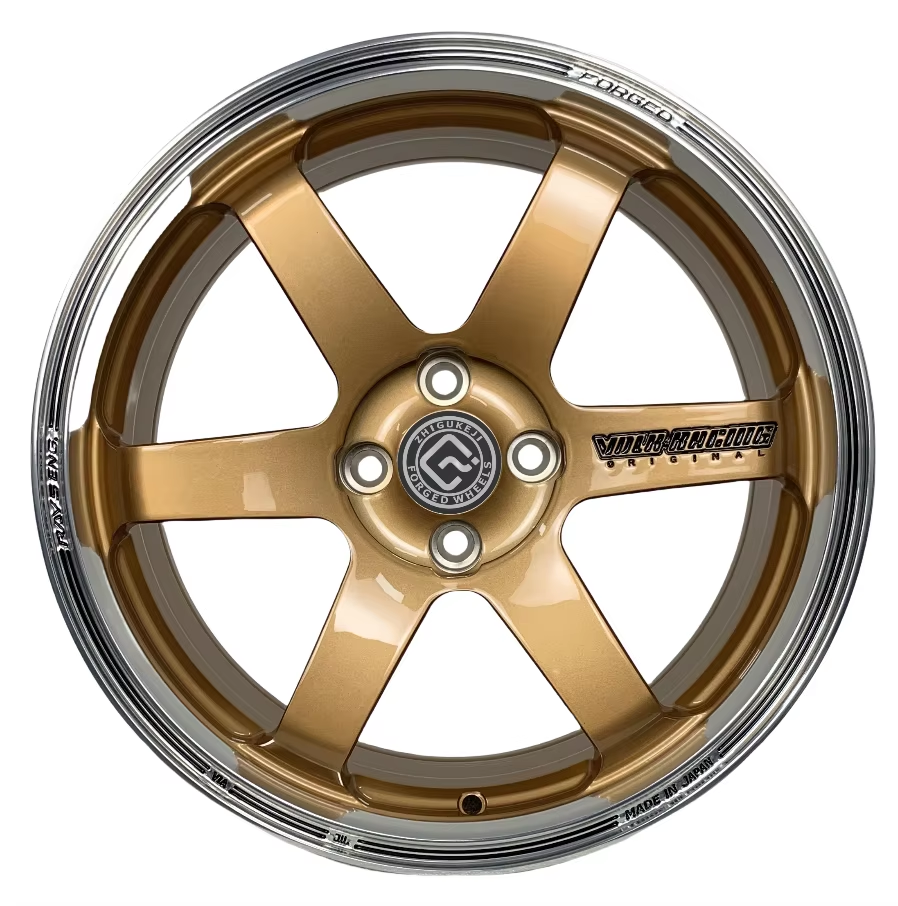
Why Deep Concave Wheels Require Specialized Cleaning
The geometry trap: How concave profiles retain brake dust, iron fallout, and road grime
The deep concave design of these wheels creates those inward curves we all know too well, forming those pesky pockets where dirt just loves to hide. Brake dust, mostly iron oxide stuff, sticks really badly to wheel surfaces. The concave parts trap way more particles compared to regular flat wheels because there's less air moving through those spaces and they're protected from rain washing things away naturally. What happens is road grime mixes with water and turns into something almost like concrete in those recessed spots. Iron bits actually get stuck in tiny pores on the surface. If nobody does anything about this buildup, it speeds up rust formation and leaves behind ugly stains that never go away. Regular brushes and cleaners simply can't get into those complicated shapes to remove all that junk, which means special cleaning approaches become absolutely necessary for proper maintenance.
Surface sensitivity: Risks of marring polished, coated, or forged finishes during agitation
Deep concave wheels with their special finishes are actually pretty fragile when it comes to aggressive cleaning methods. Stiff bristle brushes tend to leave behind those annoying micro scratches on polished surfaces, while harsh chemicals can really mess up clear coat finishes by causing permanent etching marks. Even wheels made from strong forged alloys aren't immune to problems if cleaned wrong way. The issue gets worse in those tight curved areas where standard tools just don't reach properly and end up applying uneven pressure instead. According to recent maintenance reports, most wheel surface damage happens because people use the wrong cleaning gear. Car care companies keep warning customers about regular household brushes since they simply can't handle concave wheel shapes without creating stress points. That's why professionals recommend investing in specially designed cleaning tools that get into all the nooks and crannies without damaging the finish.
Essential Tools for Safe Deep Concave Wheel Cleaning
Barrel and contour brushes: Selecting the right bristle density, taper, and handle angle
Getting good results from cleaning starts with picking the right tools for those tricky curved surfaces. The best brushes have a tapered shape with nylon cores around 8 to 12 inches long. They come with these special bristles - soft ones on the outside so they don't scratch things up, and harder ones inside that actually get rid of all that stubborn brake dust stuck in there. Handles that angle somewhere between 35 and 55 degrees make it much easier to reach into those deep parts of the wheel without having to push too hard or apply pressure in awkward spots. Tests show something interesting too: brushes with really stiff bristles tend to leave marks on coated wheels about 40% more often than these nicer tapered designs. That's why many professionals stick with the dual density approach when working on delicate finishes.
Complementary tools: Microfiber wands, detailing hooks, and low-pressure rinse techniques
The extendable arm microfiber wands work great for soaking up leftover chemicals in those tricky concave areas without wearing down the surface. Special non metal hooks come in handy too when it comes to getting rid of dirt stuck between spokes or deep inside barrel grooves without damaging the finish. Important tip though: stick to low pressure rinses below 800 psi. High pressure water actually pushes particles further into the wheel instead of washing them away, which can mess with how coatings stick later on. When drying things off at the end, go for angled air blowers instead. They keep fingers and cloths away from sensitive spots while still getting everything dry, so both looks and protection stay intact throughout the process.
Two-Step Decontamination Protocol for Deep Concave Wheels
Iron remover application: Dwell time, coverage, and safe rinsing on complex concave surfaces
The best approach is to begin with an iron removing product specifically designed for this purpose, which will help get rid of those metal bits stuck on surfaces. Brake dust actually has around 70 percent iron content, and these little pieces tend to stick especially well in areas that are curved or indented. They'll eventually rust there and leave behind ugly stains if not dealt with properly. When applying the remover, go for a fine mist spray so it reaches every nook and cranny. Let it sit for about three to five minutes but watch out that it doesn't start drying before we move on. For rinsing, stick to water at lower pressure settings below 800 psi. This helps wash away all the leftover stuff from hard to reach spots while making sure nothing gets redeposited back onto the surface after cleaning.
pH-balanced degreaser use: Preventing etching and coating degradation on deep concave wheels
Use a pH neutral degreaser next to get rid of tar buildup, road grime, and those stubborn organic residues without damaging the wheel finish. Acid based cleaners can actually eat away at polished aluminum surfaces, and alkaline solutions tend to break down clear coats faster than we'd like. We've seen this happen time and again in lab tests looking at wheel cleaner chemicals. When working on wheels, go easy with soft bristled brushes and make sure to rinse everything off within about two minutes. The Detailing Industry folks reported something interesting last year too: their 2023 findings showed that this two step method cuts down on finish damage for concave wheels by nearly ninety percent when compared to just one quick clean.
Step-by-Step Maintenance Routine for Long-Term Deep Concave Wheel Care
Keeping up with regular maintenance makes all the difference when it comes to how wheels look and last over time. For everyday cleaning, grab those soft bristle barrel brushes and some pH neutral cleaner once a week or so, maybe every other week if conditions arent too harsh. The goal here is getting rid of dirt and grime before it sticks to those tricky curved areas. Then every couple of months, its time for a deep clean. Spritz on some iron remover and let it sit around five to seven minutes before rinsing carefully with gentle water pressure. Dont want to push debris deeper into the nooks and crannies. Once everything is dry, slap on that ceramic sealant or polymer coating with an angled sponge, paying extra attention to the inside parts and hidden spots where damage tends to start. This whole process helps fight off rust from road salt, brake dust buildup, and sun damage, which means longer lasting wheels that still look great with their shine intact.
FAQ Section
Why are deep concave wheels harder to clean?
The inward curves of deep concave wheels create pockets that trap dirt, brake dust, and iron fallout, making them difficult to clean with standard tools.
What damages can occur with improper cleaning?
Improper cleaning methods can lead to micro-scratches, etching on finishes, and potential degradation of coatings, especially on polished or coated surfaces.
What are the essential tools for cleaning concave wheels?
Use barrel and contour brushes with the right bristle density and angled handles, along with microfiber wands and non-metal hooks for effective cleaning.
How should one execute a two-step decontamination process?
Begin with an iron remover and follow up with a pH-balanced degreaser while ensuring you rinse thoroughly with low-pressure water.